


Pakhala: The Pride of Odisha
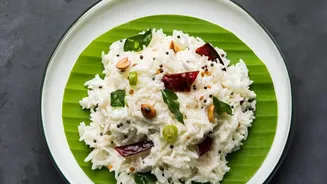
In Odisha, fermented rice is known as Pakhala, a dish so cherished that it has its own day, Pakhala Dibasa, celebrated on March 20th. At its core, Pakhala is cooked rice soaked in water, often overnight, allowing it to ferment slightly. It's a culinary
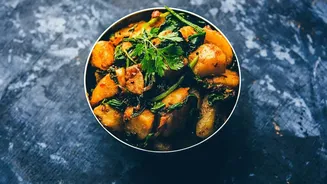
response to the state's hot and humid climate, offering a cooling and hydrating meal. Pakhala is rarely eaten alone; it is typically served with an array of side dishes like fried fish, roasted vegetables (especially potato and brinjal), and sun-dried lentil dumplings called 'badi'. The dish holds significant cultural weight, featuring in the daily food offerings, or 'bhoga', at the famous Jagannath Temple in Puri. There are several variations, including 'Dahi Pakhala' (with curd) and 'Saja Pakhala' (freshly made). This simple meal is a testament to Odisha's culinary identity, balancing simplicity with rich flavour.
Poita Bhat: Assam's Morning Staple
Travel to Assam, and you'll find Poita Bhat, a beloved breakfast, especially in rural households. Known as a 'Simple Man's Food', this dish has provided sustained energy to farmers for centuries. The preparation is straightforward: leftover cooked rice is soaked in plain water overnight. The next morning, it is seasoned, typically with raw mustard oil, salt, chopped onions, and green chillies. A common and classic accompaniment is 'Aloo Pitika', a flavourful mash of potatoes. Poita Bhat is more than just a meal; it’s a cultural heritage symbolizing the deep connection between the Assamese people and their agrarian roots. During the hot summer months, it is valued for its cooling properties and its ability to aid digestion.
Pazhaya Soru: The South Indian Powerhouse
In the southern states of Tamil Nadu and Kerala, the equivalent dish is known as Pazhaya Soru or Pazhamkanji, which translates to 'old rice'. Traditionally prepared by soaking leftover rice in an earthen pot overnight, the fermentation process gives it a distinct tangy flavour. It has long been the breakfast of choice for farmers, providing hydration and energy for a long day's work in the sun. Pazhaya Soru is often mixed with buttermilk or curd and enjoyed with side dishes like small raw onions (shallots), green chillies, and pickles. What began as a frugal way to prevent food waste has been scientifically recognized for its health benefits, including being rich in probiotics.
Panta Bhat: A Bengali Comfort Food
In West Bengal and Bangladesh, fermented rice is called Panta Bhat. Like its counterparts in other states, it's made by soaking cooked rice in water overnight. Historically, it was a practical method of preserving rice before refrigerators became common. Panta Bhat is especially popular during the summer and is a key part of the Pahela Baishakh (Bengali New Year) celebrations, often served with a slice of fried Hilsa fish, pickles, and green chillies. This dish is seen as a source of comfort and a cooling meal, with the slight fermentation making it easily digestible.
The Unifying Science of Fermentation
Though the names and side dishes vary, the science behind these preparations is the same. The overnight soaking initiates a natural lactic acid fermentation. This process not only preserves the rice but also transforms its nutritional profile. Research suggests that fermentation can increase the bioavailability of minerals like iron, potassium, and calcium, which are otherwise harder for the body to absorb from plain rice. These dishes are natural sources of probiotics, the beneficial bacteria that support gut health and aid digestion. They are also rich in B vitamins, including Vitamin B12. This ancient culinary practice, born from a need for preservation and sustenance, is now celebrated as a superfood, offering a simple, inexpensive, and natural way to boost health.