




The Golden Power of Turmeric (Haldi)
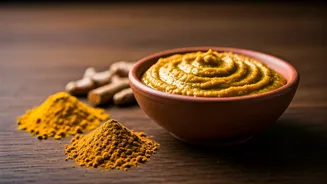
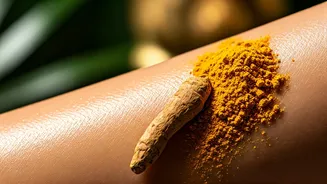
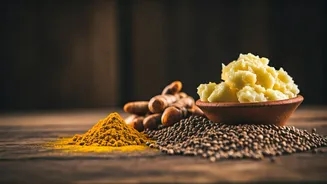
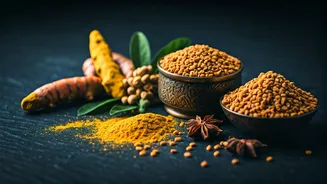
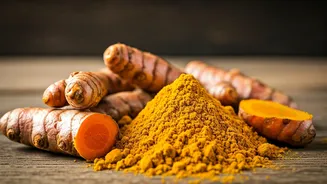
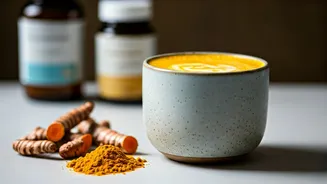
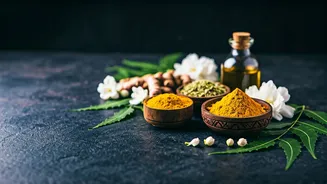
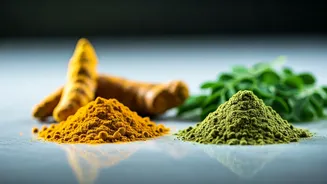
Remember your grandmother insisting on a haldi paste for every minor scrape and pimple? She was onto something big. Turmeric, or haldi, has been the golden child of Indian kitchens and medicine cabinets for centuries. Packed with curcumin, a potent antioxidant
and anti-inflammatory compound, it’s celebrated for its ability to brighten skin, reduce acne, and even out skin tone. For generations, it has been the star ingredient in the pre-wedding haldi ceremony, a ritual meant to give the bride and groom a radiant glow. Today, this humble spice is no longer just for home remedies. It’s a hero ingredient in countless modern skincare products, from face masks and serums to cleansers, proving that this ancient golden wisdom still shines bright.
The Earthy Cleanse of Multani Mitti
Long before charcoal masks became a social media phenomenon, there was Multani Mitti, or Fuller's Earth. This mineral-rich clay has been a staple in Indian households for its incredible ability to absorb excess oil, dirt, and impurities from the skin. It acts as a deep-cleansing agent, tightening pores and helping to combat acne and blackheads. Traditionally mixed with rose water, milk, or sandalwood powder to form a thick paste, a Multani Mitti face pack is the ultimate DIY facial. In a world saturated with complex chemical exfoliants, the resurgence of this simple, effective clay speaks to a collective desire for natural solutions that work without stripping the skin of its essential moisture. It's a grounding ritual that literally connects us back to the earth.
The Nourishing Ritual of Hair Oiling (Champi)
The simple, loving act of a 'champi' is a core memory for many Indians. This tradition of massaging warm oil into the scalp and hair is far more than just a haircare step; it's a form of relaxation, bonding, and profound nourishment. Using oils like coconut, almond, or amla, the practice stimulates blood circulation in the scalp, which can promote hair growth, strengthen roots, and prevent breakage. It also deeply conditions the hair shaft, adding shine and combating dryness and frizz. As the wellness world embraces scalp health as the foundation for healthy hair, the age-old Indian tradition of oiling has gained global recognition. It’s a slow, deliberate act of self-care that reminds us to nourish our roots, both literally and figuratively.
The All-in-One Glow with Ubtan
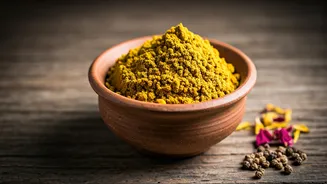
Why use multiple products when one can do it all? That's the philosophy behind ubtan, a traditional Ayurvedic body cleanser and scrub. The recipe for ubtan is not fixed; it’s a bespoke blend of natural ingredients, often passed down through families. A typical mix includes gram flour (besan) as a base, turmeric for its glow-giving properties, sandalwood powder for cooling, and milk or rose water to form a paste. This gentle yet effective concoction exfoliates dead skin cells, removes tan, and leaves the skin feeling incredibly soft and luminous. As consumers grow wary of harsh physical scrubs with plastic microbeads, ubtan offers a biodegradable, skin-friendly, and time-tested alternative that delivers a holistic, spa-like experience at home.
Why Now? The Search for Authenticity
The return to these ancestral practices isn't just about nostalgia. It represents a significant shift in consumer consciousness. In an era of 'clean beauty', many are turning away from long, unpronounceable ingredient lists and seeking transparency and simplicity. These traditional methods, often using single-ingredient or kitchen-based formulas, offer just that. Furthermore, this trend is a powerful reclamation of cultural heritage. For years, Western beauty standards dominated the market, but now, there's a growing pride in celebrating and sharing the rich, effective, and sustainable wisdom that has existed in India for centuries. It's a movement that values authenticity over artifice and wellness over vanity.