



Our Sun's Volatile Nature
A solar storm occurs when the Sun releases a tremendous burst of energy and plasma. These events come in two main forms: solar flares, which are intense flashes of radiation, and coronal mass ejections (CMEs), which are giant clouds of solar plasma and magnetic
fields flung into space. While Earth’s magnetic field, the magnetosphere, deflects most of this solar wind, a particularly strong and well-aimed CME can compress and overwhelm this natural shield, triggering a geomagnetic storm that can have serious consequences on and above the Earth.
A High-Tech World's Vulnerability
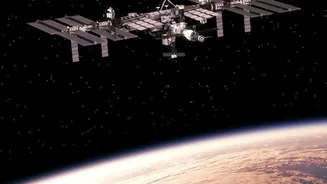
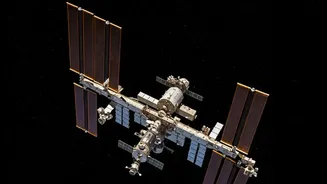
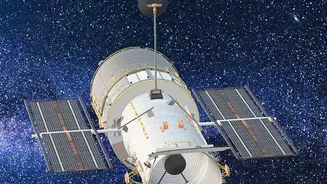
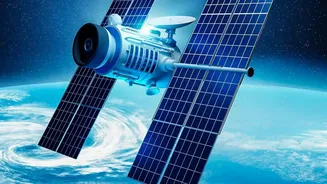
Our dependency on technology makes us susceptible. A powerful geomagnetic storm can induce powerful, uncontrolled electrical currents in long conductors like power lines. These geomagnetically induced currents (GICs) can flow into electrical transformers, causing them to overheat, sustain damage, or even trigger widespread power outages. In space, the threat is twofold. The storm's radiation can damage the sensitive electronics of satellites, while the energy can also heat and expand Earth’s upper atmosphere, increasing drag on low-orbit satellites and affecting their operations. The historical benchmark for such an event is the 1859 Carrington Event, which set telegraph stations on fire and created auroras visible near the equator. A storm of that magnitude today could have catastrophic consequences for our interconnected world.
India’s Eyes on the Sun
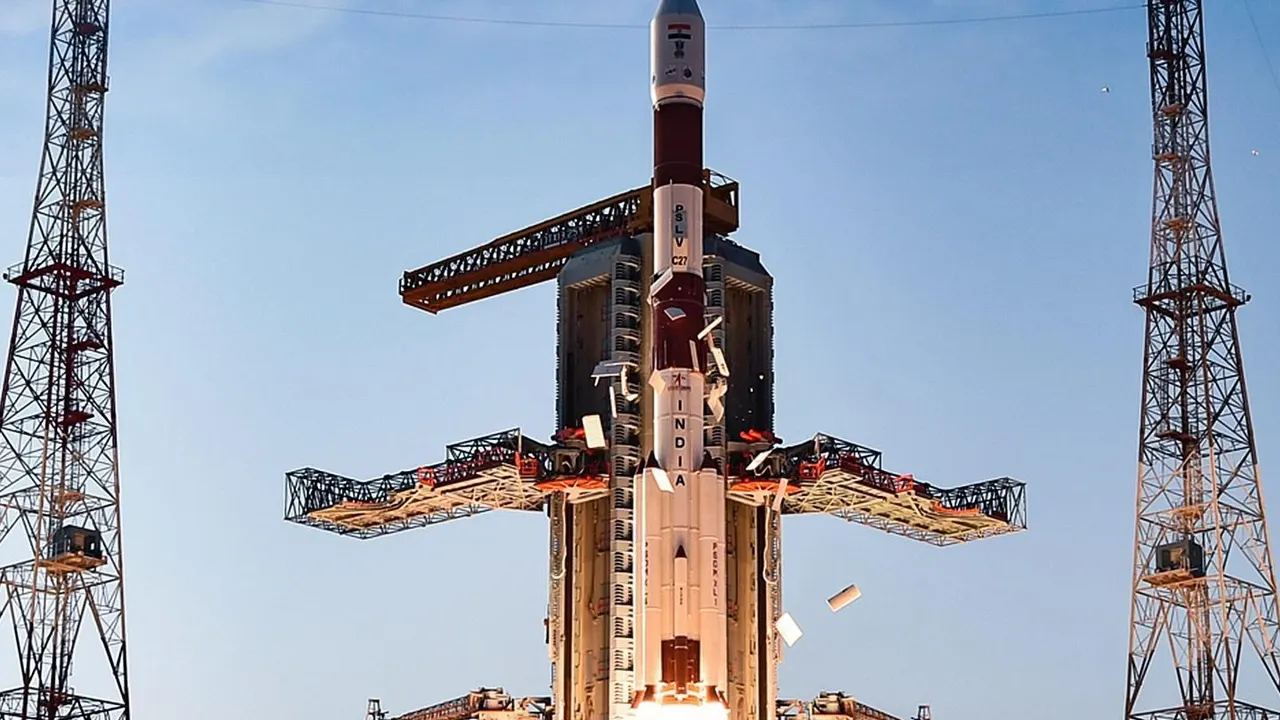
The key to protection is early warning. This is where real-time monitoring comes in. A global network of space- and ground-based observatories keeps a constant watch on the Sun. For India, a crucial asset in this effort is the Aditya-L1 mission. Positioned at Lagrange Point 1 (L1), about 1.5 million kilometres from Earth, Aditya-L1 has an uninterrupted view of the Sun. Its suite of instruments can detect CMEs as they erupt, providing vital data that helps forecast their arrival time and potential intensity. This gives a warning time of anywhere from 30-60 minutes to a couple of days, depending on the storm's speed, allowing for crucial preparations to be made.
From Warning to Mitigation
An early warning from missions like Aditya-L1 and international partners like NOAA's Space Weather Prediction Center (SWPC) triggers a cascade of protective measures. Power grid operators can take preemptive action, such as reducing load on the system or temporarily taking sensitive transformers offline to prevent damage from GICs. Some grids are even installing new hardware, like neutral blocking devices, to physically block these harmful currents. Satellite operators can put their spacecraft into a protective 'safe mode,' turning off non-essential systems to shield delicate electronics. Airlines can reroute flights away from polar regions where radiation exposure is higher during a storm. These actions, taken in that critical window between detection and impact, can significantly reduce the potential damage.
The Future of Space Weather Forecasting
As our reliance on technology grows, so does the need for more accurate and timely space weather forecasts. Scientists are constantly working to improve their models. Data from missions like Aditya-L1 is being integrated into national forecasting pipelines, combining it with information from ground-based observatories to create a more complete picture. Ambitious new projects are also underway. For instance, Indian students have even developed an AI-based system using Aditya-L1 data to provide earlier warnings, a project that won a national hackathon. This blend of new missions, advanced data analysis, and AI represents the future of our planetary defence system against the Sun's fury, ensuring our grids stay on and our communications remain online.