


The Big Number: An Investment of Over 800 Crores
The Government of India has spent a combined total of ₹800.70 crore on the preparation of its athletes for the 2026 Asian Games in Japan. This figure, released by the Sports Ministry, is not a single cheque but a consolidated amount spent over the last
three years across two major funding channels: the Annual Calendar for Training and Competition (ACTC) and the flagship Target Olympic Podium Scheme (TOPS). The lion's share, amounting to ₹702.86 crore, came from the ACTC budget. This fund is the backbone of year-round sporting activities. An additional ₹97.84 crore was channelled through TOPS, a specialised fund for the country's elite, medal-potential athletes. This dual-pronged financial strategy highlights a clear focus on both broad-based development and elite-level excellence.
Where the Crores Went: A Focus on Global Exposure
The spending strategy reveals a strong emphasis on getting Indian athletes ready for world-class competition. The single largest expenditure was on international competition exposure, totalling a massive ₹251.4 crore. This is more than double the amount spent on domestic training, which stood at ₹118.3 crore. The message is clear: the government believes that pitting Indian talent against the world's best is the most effective way to prepare for a multi-sport spectacle like the Asiad. Further funds were allocated for equipment support (₹89.2 crore), hiring foreign experts (₹86.3 crore), and overseas training (₹39.8 crore). This breakdown shows a sophisticated approach that goes beyond just training at home, aiming to build a complete support ecosystem around the athletes.
The TOPS Edge: Fine-Tuning Medal Prospects
While the ACTC provides broad support, the Target Olympic Podium Scheme (TOPS) is the surgical instrument in India's sporting toolkit. Accounting for about 12% of the total spend, or ₹97.84 crore, TOPS focuses on a select group of athletes identified as strong medal prospects. Launched in 2014, the scheme allows these elite players to get customized training, world-class coaching, and financial assistance. Athletes in the TOPS core group receive a monthly stipend of ₹50,000 for personal expenses, ensuring they can focus entirely on their performance without financial stress. For the 2026 games, the government even launched a specific 'Target Asian Games Group' (TAGG) to support athletes who are strong contenders at the continental level, even if they aren't yet considered Olympic medalists. This ensures that specialists in Asiad-centric sports like kabaddi or rowing also receive dedicated support.
The Human Investment: A Youthful Contingent
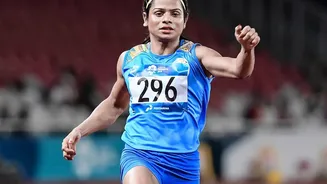
The financial investment is mirrored in the human capital being sent to Aichi-Nagoya. India is fielding a strong contingent of 501 athletes, comprising 267 men and 234 women. What's remarkable is the focus on the future: a staggering 310 of these athletes—roughly 62% of the squad—are making their Asian Games debut. This highlights a successful push to bring fresh talent into the top tier of Indian sports. According to officials, 65 of the athletes in the contingent have come through the Khelo India programme, the government's grassroots talent development system. This indicates that the investment is creating a pipeline of talent, moving athletes from the baseline to the big stage.
The Return on Investment: Chasing Medals and Building a Legacy
With over ₹800 crore spent, the obvious question is about the return on this investment. The immediate goal, as stated by sports officials, is to match or surpass the record-breaking haul of 106 medals from the previous edition in Hangzhou. However, the larger goal is more strategic. By investing heavily in international exposure, specialized coaching, and a new generation of athletes, India is not just aiming for a successful two weeks in Japan. It is attempting to build a sustainable, competitive sporting system for the next decade. The performance of the 310 debutants will be a key indicator of whether this long-term vision is paying off, transforming financial input into a legacy of sporting excellence.