


Start with the Paws
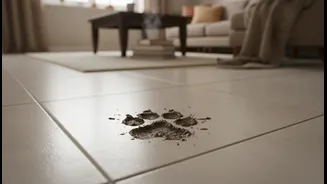
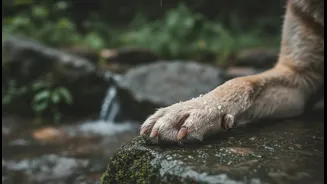
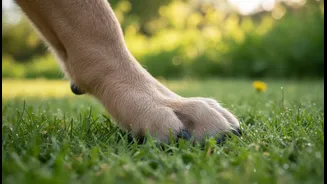
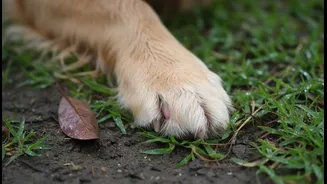
Your dog's paws are their first point of contact with wet, muddy, and potentially contaminated streets. Puddles can harbour harmful bacteria like leptospira, while constant dampness between the paw pads can lead to painful fungal and bacterial infections.
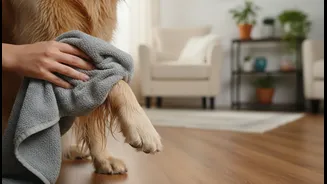
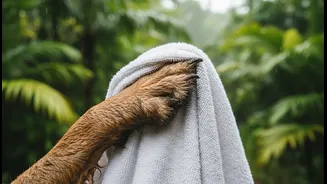
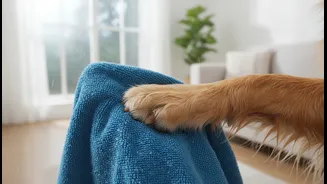
Make it a non-negotiable rule to clean and dry their paws after every single walk. Use a microfibre towel and pay special attention to the area between the toes. For long-haired breeds, trimming the fur around the pads can prevent mud from caking and improve air circulation, making the drying process much more effective. A paw balm can also help create a protective barrier.
Guard Against Skin Infections
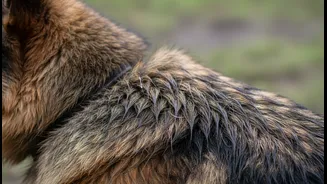
The number one complaint for vets during the Indian monsoon is skin infections. High humidity and a coat that never fully dries create the ideal breeding ground for bacteria and yeast, leading to hot spots (acute moist dermatitis), incessant scratching, and a musty odour. The key is to keep your dog as dry as possible. After any exposure to rain, towel-dry them thoroughly, right down to the skin. For dogs with thick double coats, a pet-friendly blow dryer on a low, cool setting is your best friend. Regular brushing helps remove loose fur and prevents matting, which can trap moisture. Bathing should only be done when necessary, as over-bathing can strip the skin of its natural oils, making it more vulnerable.
Adjust Their Diet and Hydration
With shorter walks and less outdoor activity, your dog's metabolism may slow down. This is not the time for heavy meals. Instead, focus on an easily digestible, high-protein diet to support their immunity. Simple, home-cooked meals like boiled chicken and rice, or wet food, are often more palatable and hydrating than dry kibble during humid months. Adding fibre-rich vegetables like pumpkin can aid digestion. Most importantly, ensure they always have access to fresh, clean water. Drinking from contaminated puddles is a primary cause of gastrointestinal issues like diarrhoea and vomiting during this season. Keep their water bowl clean and refill it frequently.
Rethink Exercise and Enrichment
Cancelled walks can lead to a bored, anxious, and sometimes destructive dog. It's crucial to substitute that physical energy outlet with indoor activities. Don't just cancel walks; adapt them by timing them for drier periods in the early morning. When you can't go out, engage their minds indoors. Scent games, where you hide treats around the house, are a fantastic way to tire them out mentally. A simple game of indoor fetch with a soft toy, tug-of-war, or practicing new tricks can also help burn off excess energy. Creating a simple obstacle course with cushions and chairs can turn your living room into a fun agility zone.
Maintain a Clean Home Environment
Your dog's health is directly linked to the hygiene of your home, especially during the monsoon. The dampness they bring inside can foster the growth of mould and fungi on their bedding, toys, and carpets. Make it a point to wash their bedding in hot water at least once or twice a week, and dry it completely, preferably in the sunlight when possible. Disinfect their hard toys and food bowls daily. Regularly vacuuming carpets and rugs helps remove bacteria tracked in by wet paws. A dry, clean living space is a critical part of preventing the cycle of infections from starting.