





The Community Lifeline at Risk
Across the globe, local and regional railway lines face a precarious future. Declining ridership, competition from private cars, and ageing infrastructure put these vital connectors at risk. In many rural or smaller communities, these lines are more than
just transport; they are economic and social lifelines. They connect residents to jobs, schools, and healthcare in larger towns. When a line is threatened with closure, it’s the community that pays the price, facing potential isolation and economic decline. The assumption is often that a service must either serve commuters or tourists, but this binary thinking overlooks a powerful third option: a hybrid model where one supports the other.
A Blueprint for Symbiosis
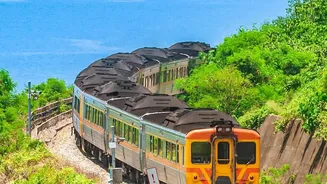
The idea that tourism can save, rather than sink, a local rail line isn't just wishful thinking; it’s a proven strategy. The core principle is integration, not opposition. Instead of running entirely separate services, railway operators can add dedicated tourist coaches to existing trains, launch special scenic journeys during off-peak hours or seasons, or offer premium packages that appeal to visitors. The revenue generated from these higher-margin tourist tickets can then be reinvested directly into the line's maintenance, upgrades, and operational costs. This subsidizes the service for everyone, ensuring that fares for local residents remain affordable and the service reliable. Japan's Isumi Railway, for instance, successfully shifted its focus to tourism with special event trains, a move that revitalized the line with support from local communities.
Lessons from the Swiss Alps
Switzerland offers a masterclass in this model. The country's dense, punctual, and almost entirely electrified rail network is the backbone of its public transport system. Scenic routes like the Glacier Express or the Bernina Express are world-famous tourist attractions, commanding premium prices. Yet, these same tracks are used for essential local transport. The Swiss Travel Pass, for example, allows tourists unlimited travel, but is designed to integrate them into the existing public transport network of trains, buses, and boats used by residents daily. The high revenue from tourism helps maintain the pristine condition and high frequency of services across the network, benefiting commuters and travellers alike. This approach recognizes that the railway is a single, integrated asset that can serve multiple purposes simultaneously.
More Than Just a Ride
The economic benefits ripple far beyond the ticket counter. When tourists travel by rail, they support a whole ecosystem of local businesses. Stations cease to be mere transit points and become micro-economic hubs, home to cafes, shops, and bike rentals that serve both passengers and the local populace. This spending is crucial, especially in smaller towns where airports are non-existent. The Cumbres & Toltec Scenic Railroad in the US, for instance, generated an economic impact of $17.8 million in its region in 2021, supporting local jobs and businesses. Furthermore, heritage railways that attract tourists also preserve cultural history, turning old infrastructure into a living museum and a source of community pride.
Avoiding the Pitfalls of Popularity
Of course, this model isn't without challenges. The primary risk is that tourism becomes so successful it creates the very problem it was meant to solve: overcrowding and alienation of locals. Smart management is crucial. Strategies can include offering resident discounts, managing capacity through mandatory reservations on specific tourist-heavy services, and ensuring schedules continue to prioritize commuter needs. Community consultation is key to striking the right balance between conservation and commercialization. By involving residents in the planning process, operators can ensure that the railway's growth serves the community's long-term interests, preventing the infrastructure from losing its local identity.