



Meet Ethylene: The Invisible Ripening Agent
The culprit behind your rapidly ripening fruit is an odorless, colorless gas called ethylene. It’s a natural plant hormone that many fruits produce as they mature. Think of it as a chemical signal that tells a fruit to start the final stage of its life
cycle: ripening. This process involves converting starches into sugars, softening the flesh, and developing the aromas we associate with ripe, ready-to-eat produce. Some fruits, known as 'climacteric' fruits, produce a significant amount of ethylene and continue to ripen even after they've been picked. This is why a hard, green banana can turn soft and sweet on your countertop over a few days.
Why Apples and Bananas Are a Bad Match
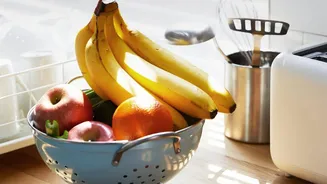
The core of the issue is a simple mismatch: apples are major ethylene producers, while bananas are extremely sensitive to it. When you store them side-by-side, the ethylene gas released by the apples envelops the bananas, sending them a powerful signal to accelerate their own ripening process. The result? Your bananas will develop brown spots, become mushy, and overripen far more quickly than if they were stored alone. While both fruits produce ethylene, keeping them together creates a concentrated cloud of the gas that speeds up spoilage for both. If you want your produce to last through the week, giving these two popular fruits their own space is a critical first step.
The High-Ethylene Lineup
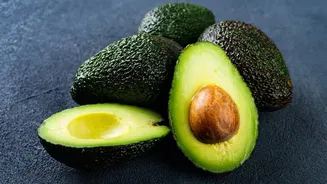
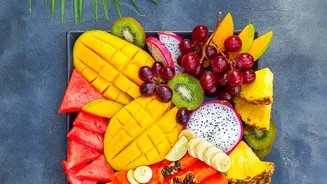
Apples and bananas aren't the only players in this game. To truly master your fruit storage and cut down on waste, it helps to know which other items are high ethylene producers. This group includes some of the most common items in our grocery carts. Avocados, peaches, pears, plums, and tomatoes are all significant emitters of this ripening gas. Even cantaloupe and mangoes join the list. Storing these items requires a bit of strategy; you'll want to keep them separate from produce that is sensitive to their effects. This is why a dedicated crisper drawer for fruits can be so effective—it helps contain the ethylene gas they produce, protecting other vegetables stored elsewhere in the refrigerator.
The Ethylene-Sensitive Crew
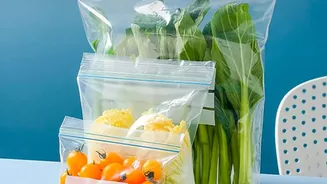
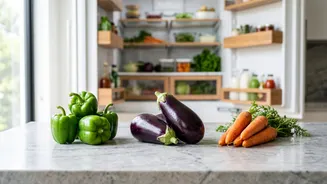
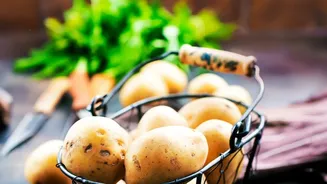
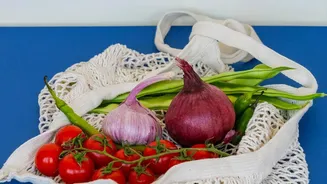
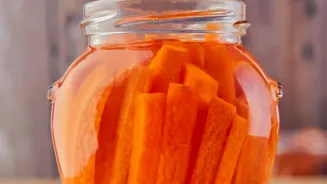
On the other side are the ethylene_sensitive items. These are the fruits and vegetables that will wilt, yellow, or spoil prematurely when exposed to the gas. Beyond unripe bananas, this list includes many common vegetables. Leafy greens like lettuce and spinach are highly sensitive, as are broccoli, carrots, and cucumbers. Asparagus, green beans, and even potatoes can be negatively affected; ethylene can cause potatoes to sprout and carrots to become bitter. For this reason, it's a bad idea to store potatoes and onions together, and you should always keep your salad greens far away from your fruit bowl.
Understanding ethylene doesn't just help you prevent spoilage—it can also be used to your advantage. If you have a rock_hard avocado or a green banana you want to use sooner, place it in a paper bag with an apple for a day or two. The bag will trap the ethylene, dramatically speeding up the ripening process. For long_term storage, the rules are simple: separate the producers from the sensitive. Keep apples in a crisper drawer in the fridge. Store bananas on the counter by themselves, perhaps on a banana hanger to improve airflow. Wrapping the stems of a banana bunch in plastic wrap can also help slow the release of ethylene, giving you a few extra days of freshness. Vegetables like broccoli, carrots, and lettuce should be stored in a separate crisper drawer from ethylene_producing fruits.