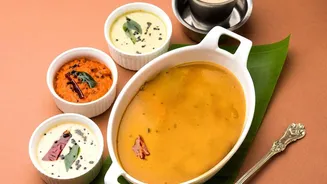


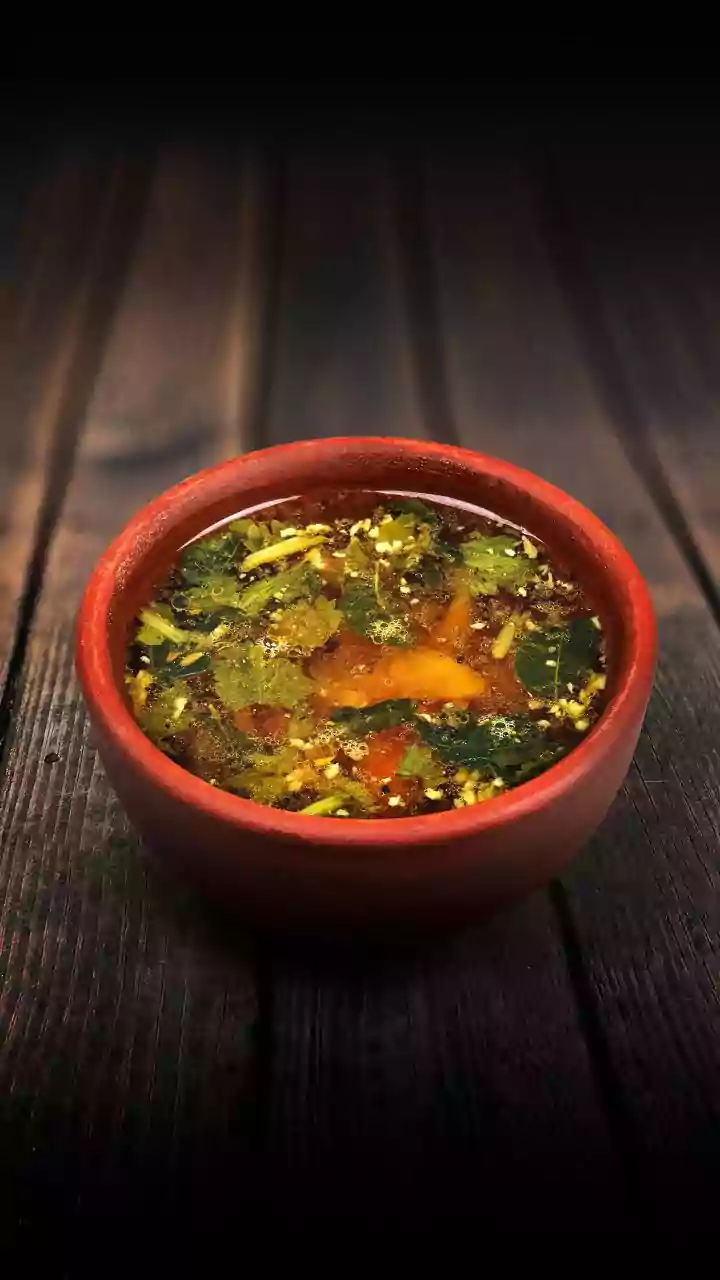
A Legacy in a Cup
Long before wellness became a trend, it was a daily ritual in South Indian homes, often in the form of a 'kashayam'. The term refers to a water-based decoction of herbs and spices, a cornerstone of Ayurvedic tradition. These drinks are not merely home remedies
for a common cold; they represent a philosophy where food is also medicine. Passed down through generations, the recipes for these decoctions are a form of living heritage, a grandmother's wisdom dispensed in a warm, comforting cup to soothe ailments and maintain balance, especially during monsoon or winter.
The Pharmacy in the Spice Box
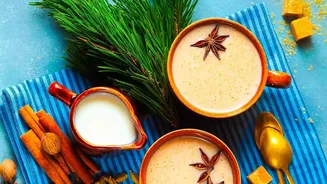
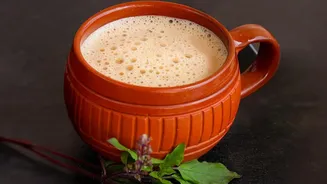
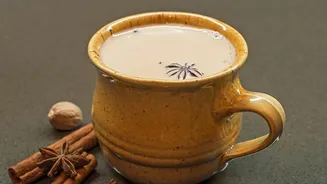
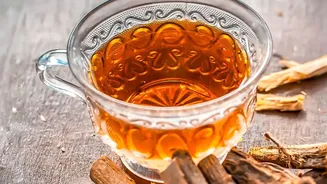
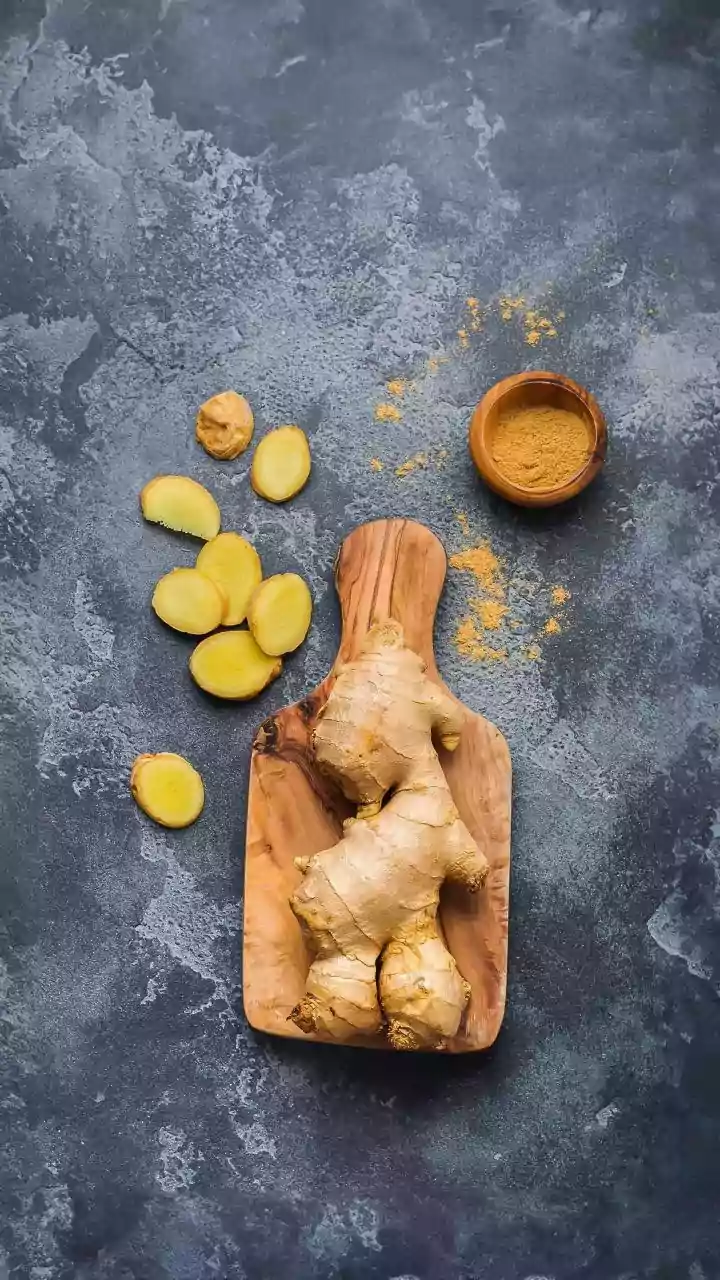
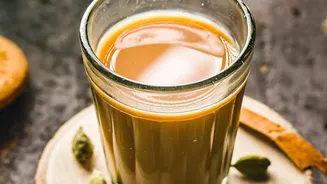
The magic of these drinks lies in their ingredients, a potent blend of common kitchen spices. A prominent example is 'Sukku Malli Kaapi' (or Chukku Kaapi), a caffeine-free brew celebrated across the region. 'Sukku' (dry ginger) and 'Malli' (coriander seeds) are the stars, known for their digestive and anti-inflammatory properties. They are often joined by black pepper, cumin, and palm jaggery. Each ingredient plays a role: pepper enhances metabolism, cumin aids digestion, and herbs like tulsi (holy basil) are added for their perceived ability to relieve coughs and colds. This blend creates a holistic drink that warms the body and soothes the throat.
More Than a Cold Remedy
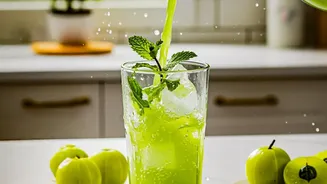
While a steaming cup of chukku kaapi is a go-to for coughs and congestion, the world of South Indian decoctions is vast and versatile. Panakam, a traditional sweet and spicy drink made with jaggery, dry ginger, cardamom, and lemon, is a summer coolant often prepared for festivals like Ram Navami. It's designed to hydrate and aid digestion during warmer months. Then there is Nannari Sharbat, made from the roots of Indian sarsaparilla, a cooling drink known for its purifying properties. These beverages showcase a deep, seasonal understanding of how different ingredients interact with the body, offering comfort and balance throughout the year.
A Ritual of Care and Connection
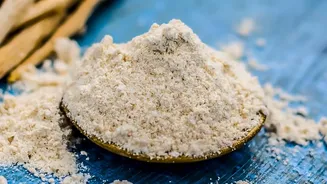
The preparation of a kashayam is often a ritual in itself. It involves boiling coarse powders of dried herbs and spices in water, allowing the liquid to reduce and concentrate the potent, water-soluble essence of the plants. This slow process is an act of care, a tangible expression of concern for a family member's well-being. Unlike a quick instant coffee, a freshly prepared decoction carries with it the intention and knowledge of the person making it. This cultural practice reinforces family bonds and ensures that traditional wisdom about local herbs and their uses continues to thrive in a modern world.
The Enduring Appeal in Modern Times
In an era of fleeting health fads, these traditional drinks are experiencing a quiet resurgence. As people increasingly seek natural and gentle alternatives to caffeinated drinks, sukku malli kaapi has emerged as a popular choice. Ready-made powders are now widely available, making it easier for busy households to enjoy these traditional flavours without the lengthy preparation. This enduring appeal is a testament to their effectiveness and timeless nature. They are not just relics of the past but functional, flavourful beverages that connect us to a rich culinary and wellness heritage, proving that sometimes the most profound treasures are found simmering gently on the stove.