



Choose the Right Flowers
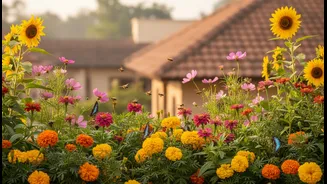
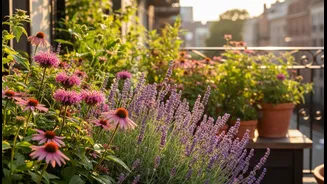
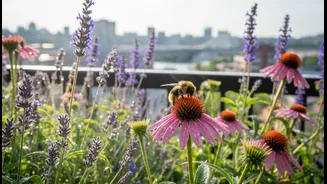
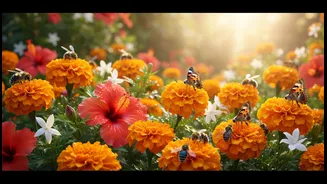
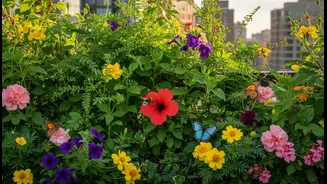
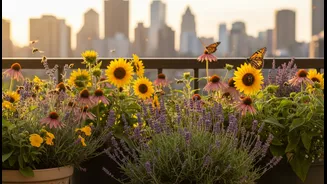
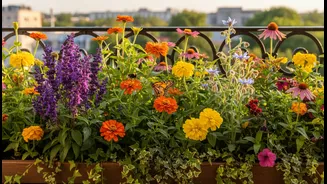
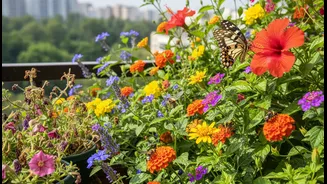
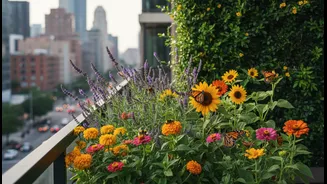
The foundation of any pollinator-friendly space is a variety of nectar-rich flowers. In India, many beautiful and hardy plants can thrive in pots and attract these welcome visitors. Brightly-coloured Marigolds (Genda) are an excellent choice as they are easy
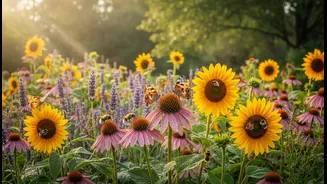
to grow, tolerate the climate well, and provide a long blooming season. Zinnias, with their vibrant and bold colours, are another magnet for butterflies and grow quickly in sunny spots. For a touch of fragrance and a favourite of bees, consider planting Lavender or the sacred Indian herb Tulsi (Holy Basil), which provides ample nectar when it flowers. To add a climbing element, the Butterfly Pea flower not only attracts butterflies but also provides edible flowers for teas. Aim for a mix of colours and shapes to appeal to a wider range of pollinators.
Provide a Safe Water Source
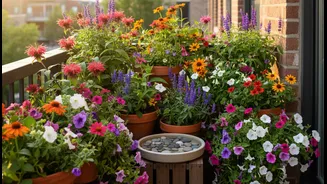
Like all living things, bees and butterflies need water, but they can easily drown in deep sources. Creating a safe watering station is simple and can make a huge difference. All you need is a shallow dish or plate. Fill it with pebbles, stones, or marbles so they break the surface of the water. Then, add just enough clean water so that the insects have a safe place to land and drink without the risk of drowning. Place this station in a sheltered spot on your balcony, preferably near your flowers. Remember to refresh the water every few days to keep it clean and prevent mosquitoes from breeding.
Offer Shelter and Resting Spots
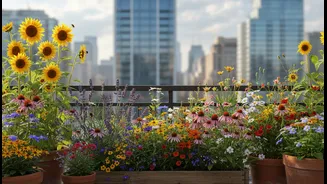
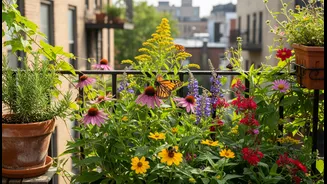
Beyond food and water, pollinators need places to rest and take shelter from wind and predators. Even a small balcony can provide this. Grouping pots together creates a more sheltered microclimate. Larger pots with dense foliage can serve as effective windbreaks. You can even create a simple 'bee hotel' to provide nesting sites for solitary bees, which are gentle and excellent pollinators. These can be made by bundling together hollow reeds or drilling holes into a block of untreated wood. Simply leaving some flat stones in a sunny spot gives butterflies a place to bask and warm their wings.
Go Organic and Avoid Pesticides
One of the most important rules for a pollinator garden is to avoid chemical pesticides and herbicides at all costs. These products are often broad-spectrum, meaning they kill beneficial insects right alongside the pests you're targeting. Instead, embrace organic methods. Many pests, like aphids, can be washed off plants with a simple spray of water. If you need a stronger intervention, a solution of neem oil mixed with a little mild soap and water can be effective against soft-bodied insects when sprayed in the evening, after pollinators have retired for the day. Companion planting is another great strategy; for instance, marigolds are known to naturally repel certain pests.
Plan for Year-Round Blooms
To be a truly reliable resource, your balcony habitat should offer a continuous supply of food. Pollinators are active during different times of the year, so it's important to have flowers that bloom in succession. Research plants that flower in different seasons in your specific climate. For example, Vinca (Sadabahar) and Hibiscus can bloom for much of the year in many parts of India. By combining early bloomers, summer powerhouses, and late-season flowers like Asters, you ensure that bees and butterflies can always find a meal when they visit your balcony. This not only helps them survive but encourages them to make your garden a regular stop on their journey.