

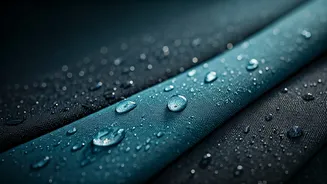


The Fabric Fallacy: Ditch Denim and Heavy Cotton
Let’s start with the biggest culprits hanging in your closet: jeans and heavy cotton clothing. We love our denims, but they are notoriously slow to dry and become incredibly heavy and uncomfortable when wet. [4, 10] Spending a day in a damp, cold office
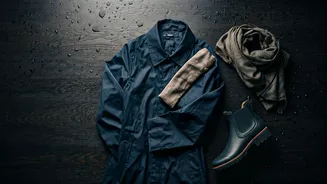
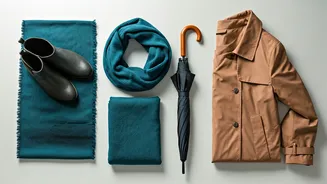
because your jeans got soaked on your commute is a uniquely monsoon misery. The same goes for heavy cottons that absorb and hold moisture. [14] Instead, the sensible choice is to embrace lightweight, quick-drying fabrics. [13] Look for polyester blends, nylon, rayon, and even crepe. [13, 15] These materials don't hold water for long, ensuring you’re not left feeling damp and sticky in the high humidity. [15] For traditional wear, swapping heavy salwars for leggings or churidars in lighter fabrics can make a world of difference. [16]
Footwear Faux Pas: Say No to Leather and Suede
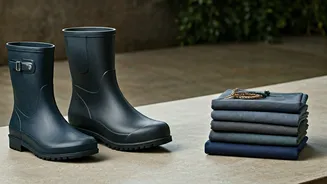
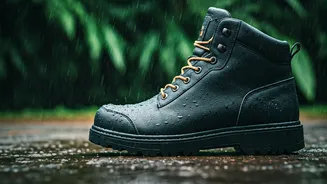
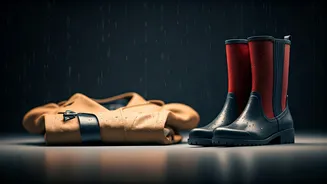
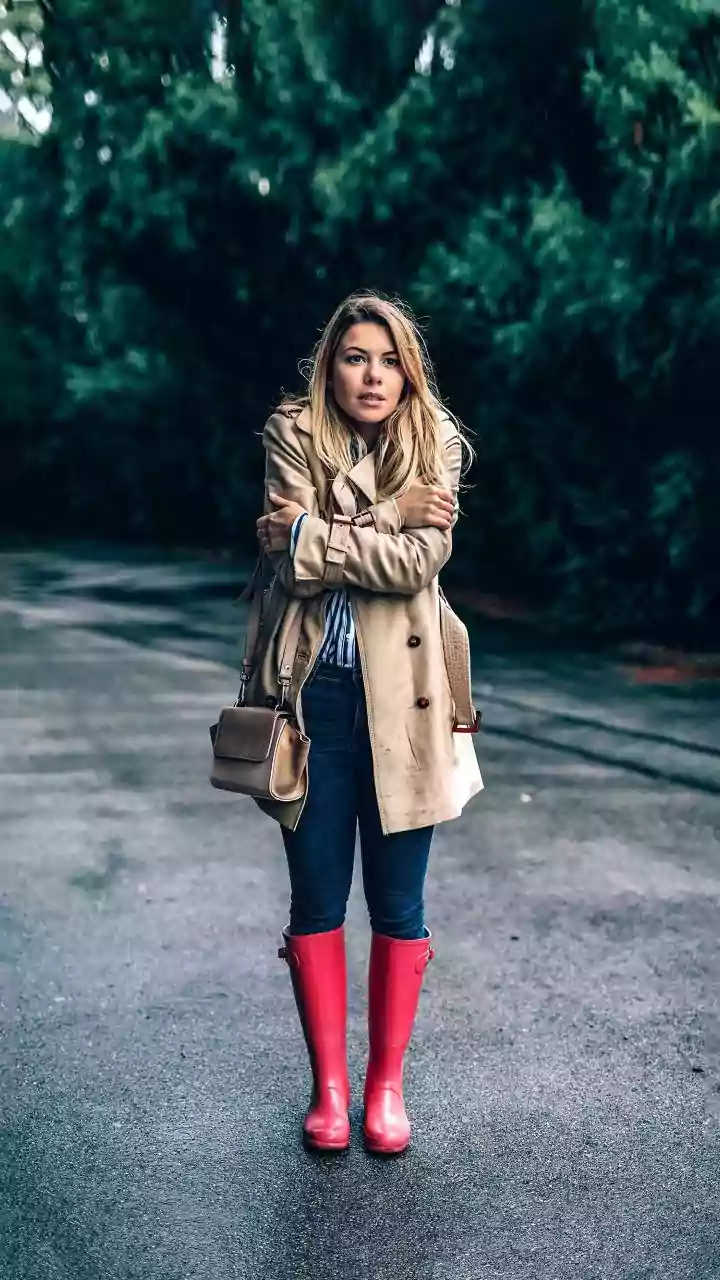
If there's one area where common sense often evaporates, it's monsoon footwear. Your prized leather loafers or stylish suede boots are not meant for wading through puddles. [4, 5] Water can cause leather to warp and develop fungus, while suede is almost guaranteed to be permanently stained. [4, 5] Flip-flops might seem like an easy choice, but they often lead to mud-splattered legs and offer poor grip on slippery surfaces. [4] The smart investment is in truly waterproof or water-resistant footwear. [13] Think stylish rubber boots, PVC sandals, jelly flats, or a good pair of floaters with a strong grip. [3, 22] Brands now offer a wide range of waterproof options, from colourful EVA sandals to chic rubber loafers, meaning you don’t have to sacrifice style for dry feet. [7, 11, 21]
Hemline Strategy: Go Shorter to Stay Drier
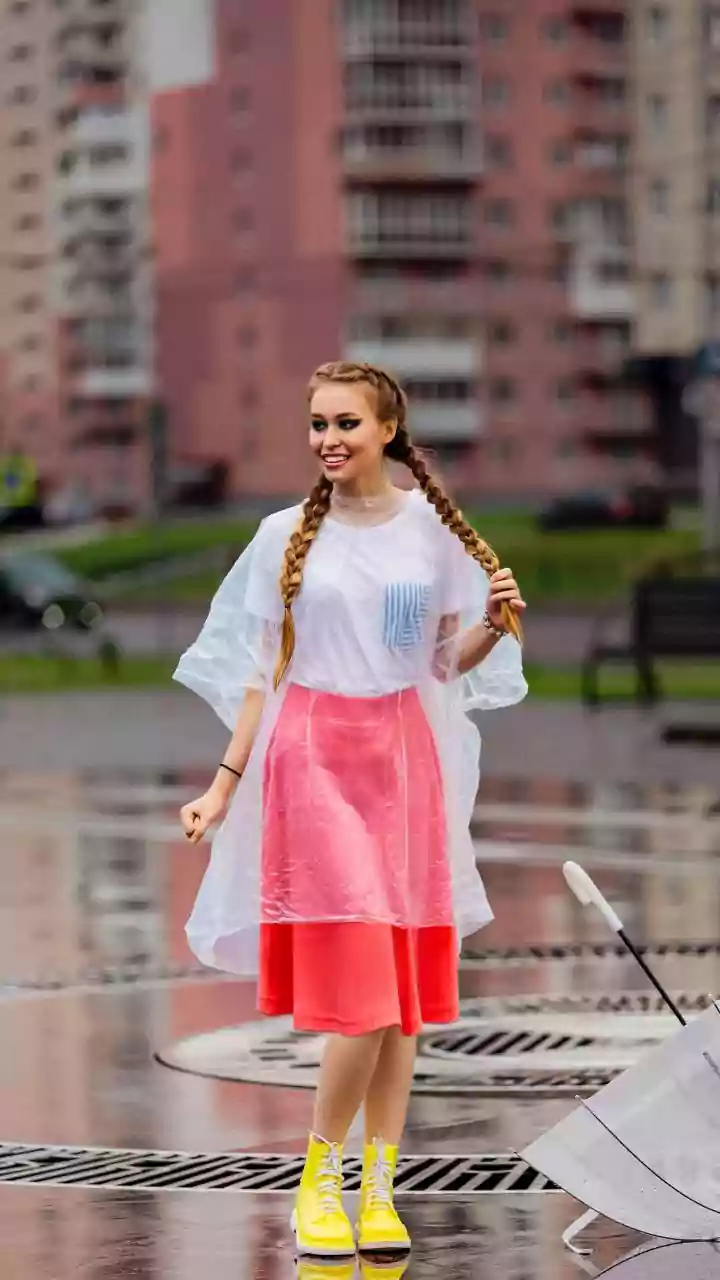
Navigating waterlogged streets is a monsoon reality. This is where the length of your outfit becomes critical. Full-length trousers, maxi dresses, and floor-sweeping palazzos are a recipe for disaster. [3, 5] They inevitably drag through muddy puddles, leaving you with dirty, soaked hems. [3, 6] A simple and effective solution is to opt for shorter hemlines. Cropped trousers, culottes, capris, knee-length skirts, and dresses are your best friends during this season. [3, 15, 17] This practical choice keeps your clothes clean and dry, preventing that grimy feeling at the end of the day. For those who wear Indian attire, choosing shorter kurtis paired with ankle-length pants is a smart and stylish adjustment. [16, 17]
Colour Code: Embrace the Dark and the Bright
While fashion often encourages light and breezy colours for summer, the monsoon calls for a different strategy. White and other light-coloured fabrics are a major risk, as they can become transparent when wet and easily show mud stains. [9, 10, 19] Darker colours like navy, charcoal, black, and burgundy are far more practical as they effectively camouflage water marks and splashes. [6, 9] However, practical doesn't have to mean gloomy. To counteract the grey skies, don't be afraid to embrace bright, vibrant colours. [5, 18] Bold shades of blue, red, yellow, and pink can lift your spirits and make a cheerful statement. [5] Prints, especially floral or abstract patterns, are also excellent for hiding minor stains. [13, 18]
Accessorise with Purpose: Waterproof and Minimal
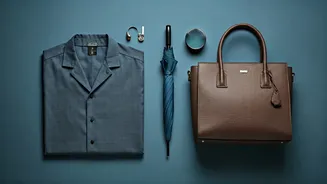
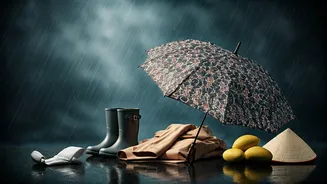
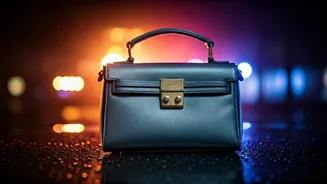
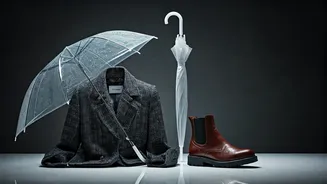
Monsoon accessorising is about function first. Your beloved leather handbag is as vulnerable as your leather shoes. [4] Switch to waterproof or water-resistant bags like nylon totes, PVC bags, or coated backpacks to protect your essentials like your phone and wallet. [3] A sturdy, stylish umbrella is a non-negotiable accessory that can even complement your outfit. [5] When it comes to jewellery, less is more in the humid weather. Heavy, chunky pieces can feel uncomfortable, so opt for minimal, lightweight accessories that won’t tarnish or cause irritation. [13] Finally, keeping a spare pair of dry socks at your workplace is a small act of self-care that can dramatically improve your day. [14]