






The Calorie and Nutrient-Density Gap
A primary reason for fatigue is often an unintentional calorie deficit. Plant-based foods are typically higher in volume and fibre but lower in calorie density than many animal products. While this is great for feeling full, active individuals can easily
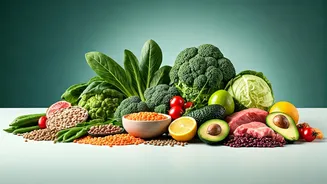
underestimate their energy needs. If you’re training regularly, your body requires a significant amount of fuel for performance and recovery. Without enough calories, it will slow down non-essential processes to conserve energy, leading to that familiar sluggish feeling. The solution isn't just to eat more, but to eat smarter. Focus on incorporating nutrient-dense and calorie-rich plant foods like avocados, nuts, seeds, and whole grains. Adding a tablespoon of olive oil to roasted vegetables or a handful of almonds to your snack can make a significant difference in your overall energy intake without requiring you to eat massive volumes of food.
The Iron Imperative
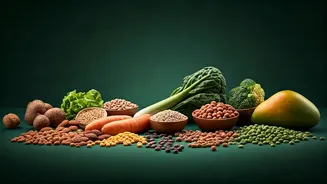
Iron is a crucial component of hemoglobin, the protein in red blood cells that transports oxygen to your muscles and brain. Low iron means less oxygen, which directly translates to fatigue and reduced athletic performance. Plant-based diets contain only non-heme iron, which is less readily absorbed by the body than the heme iron found in animal products. Therefore, vegetarians, especially athletes, need to be particularly mindful of their intake. To combat this, focus on consuming iron-rich plant foods like lentils, chickpeas, tofu, spinach, and quinoa. More importantly, enhance your body's absorption by pairing these foods with a source of vitamin C. For example, squeeze lemon juice over a lentil soup, add bell peppers to a tofu stir-fry, or have a side of oranges with your spinach salad. Conversely, avoid drinking coffee or tea with iron-rich meals, as tannins can inhibit absorption.
Solving the Protein Puzzle
The myth that vegetarians can't get enough protein is outdated, but there is a nuance often missed: protein quality and timing. Protein is vital for muscle repair, satiety, and maintaining stable energy levels. Many plant foods are 'incomplete' proteins, meaning they lack one or more of the nine essential amino acids. However, this is easily solved by eating a variety of protein sources throughout the day. Your body can pool amino acids to create complete proteins. Think classic pairings like beans and rice, hummus and whole-wheat pita, or a quinoa bowl with black beans. Active individuals should aim to include a solid protein source with every meal to support muscle synthesis and prevent energy dips. Good sources include tofu, tempeh, lentils, beans, chickpeas, and seeds.
The Vitamin B12 Blind Spot
This is a non-negotiable for anyone on a vegetarian, and especially a vegan, diet. Vitamin B12 is essential for energy production and neurological function, and it is not naturally found in plant foods. It's produced by bacteria, and modern sanitized food systems mean we don't get it from soil on vegetables anymore. A B12 deficiency can take years to develop as your body stores it, but when it hits, it can cause profound fatigue and even irreversible nerve damage. Relying on diet alone for B12 is a risky strategy. The most reliable way to get enough is through fortified foods or a supplement. Many plant-based milks, breakfast cereals, and nutritional yeast are fortified with B12. Check the labels and make these a regular part of your routine, or simply take a dedicated B12 supplement to ensure you're covered.
Rethinking Your Carb Strategy
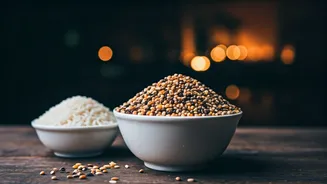
Carbohydrates are your body's primary fuel source, but the type you choose matters immensely for sustained energy. Relying on refined carbs like white bread, pastries, and sugary snacks leads to a rapid spike in blood sugar, followed by an inevitable crash that leaves you feeling drained. The key is to prioritize complex carbohydrates. These are found in whole foods like oats, brown rice, quinoa, sweet potatoes, and legumes. Because they are packed with fibre, they are digested more slowly, providing a steady release of energy that keeps you going for hours. Making simple swaps—like choosing brown rice over white, or having a whole-fruit snack instead of a sugary bar—can stabilize your blood sugar and eliminate the afternoon energy rollercoaster.