



The New Era of Indian Rail Travel
For decades, luxury train travel in India meant one thing: ultra-exclusive, palace-on-wheels style experiences with price tags to match. Journeys on opulent trains like the Maharajas' Express or the Golden Chariot can cost anywhere from a few thousand
to over twenty thousand dollars, offering unparalleled luxury but remaining far out of reach for the average traveller. These trains recreate the grandeur of a bygone royal era, with lavish cabins, butler service, and fine dining. However, a different kind of rail journey is now capturing the national imagination. This new trend isn't about recreating the past, but reimagining it for a new generation. It’s about making scenic beauty and heritage accessible, blending comfort with affordability, and creating experiences worth sharing.
Defining 'Luxury-On-A-Budget'
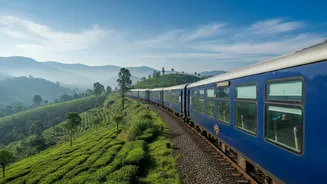
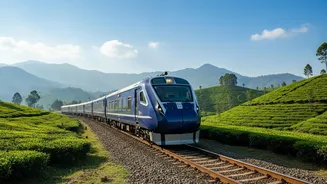
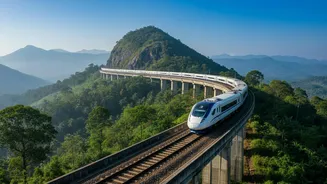
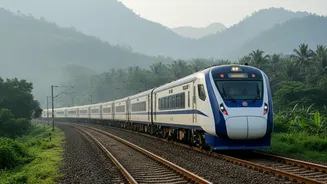
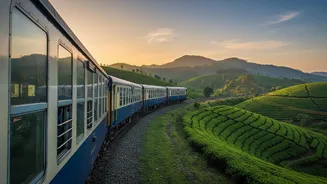
So, what exactly is a 'luxury-on-a-budget' train? The term perfectly describes the recent wave of Vistadome coaches introduced by Indian Railways. These are not entire luxury trains, but specially designed carriages attached to existing trains on some of the country's most scenic routes. For a fraction of the cost of a traditional luxury train, passengers get access to premium features designed for sightseeing. The main attractions are the massive panoramic windows and glass-panelled roofs that offer unobstructed, 360-degree views of the passing landscapes. Add to that 180-degree rotating seats, ample legroom, and modern amenities like Wi-Fi and automatic doors, and you have an experience that feels premium without the prohibitive cost. Fares for these coaches are comparable to an AC Chair Car, typically ranging from ₹700 to ₹2500 depending on the route.
Why Gen Z is All Aboard
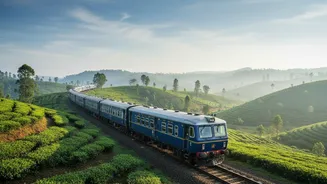
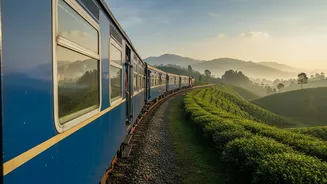
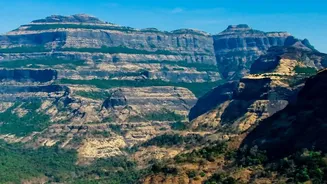
The popularity of these train journeys among young Indians, particularly Gen Z, is driven by a perfect storm of modern values and social media influence. This generation prioritises authentic experiences over simple sightseeing. Recent surveys show a significant trend among travellers aged 18-34 towards heritage properties and cultural tourism. The slow, immersive nature of train travel fits perfectly with this mindset. It’s no longer just about the destination, but the journey itself. Furthermore, the visual appeal of Vistadome coaches is undeniable. The stunning views of the Western Ghats, the Araku Valley, or the Himalayan foothills are tailor-made for viral Instagram Reels and YouTube vlogs, turning these train routes into social media sensations. It’s a travel choice that offers not just a trip, but shareable content and a story to tell.
Trending Routes and Heritage Hotspots
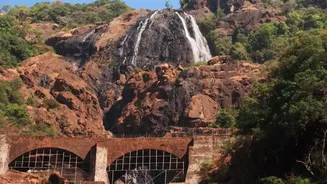
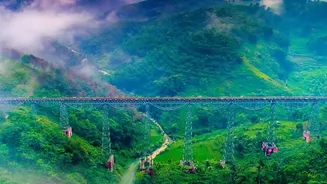
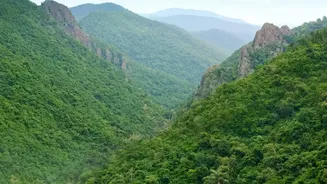
Several key routes have become hotspots for this new travel trend. The journey from Visakhapatnam to the Araku Valley, the first route to get a Vistadome coach in 2017, remains incredibly popular, winding through tunnels, waterfalls, and lush landscapes. The Mumbai to Goa route offers breathtaking views of the Konkan coast and Western Ghats, making it a favourite for young travellers. Another celebrated journey is the UNESCO World Heritage Kalka-Shimla line, where the Him Darshan Express provides stunning Himalayan vistas. Other sought-after Vistadome routes include the scenic stretches from Bengaluru to Mangaluru, Guwahati to Badarpur, and the new service in Kashmir from Budgam to Banihal, each offering a unique window into India's diverse geography and heritage.
More Than Just a Pretty Picture
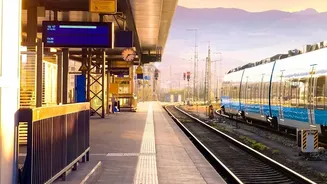
While the aesthetic appeal is a major draw, the trend runs deeper than just social media. For a generation that is constantly online, these train journeys offer a rare chance to disconnect and embrace a slower pace. There's a growing interest in spiritual and heritage tourism among young people, who are flocking to temple towns and historical sites in search of meaning and peace. This shift is also about a conscious return to roots, exploring one's own country with a fresh perspective. Train travel is often seen as a more sustainable and grounded way to explore, aligning with the values of a generation mindful of its environmental and cultural impact. This isn't just about consuming an experience; it's about connecting with the landscape, the history, and the journey itself in a more meaningful way.