




Finding Your Room's Natural Path
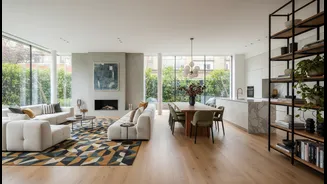
Every room has invisible pathways, known as traffic flow or natural routes. These are the paths people instinctively take to get from one point to another—say, from the doorway to the sofa, or from the living area to the kitchen. Think of it as the well-trodden
trail through a garden. A well-designed room doesn't fight these paths; it works with them. The goal is to keep these primary routes clear and intuitive, ensuring movement feels fluid and effortless rather than forced or obstructed. Before arranging furniture, take a moment to identify these routes. Where do people naturally walk? The answer will dictate where your furniture shouldn’t go, and where curves can help the most.
The Gentle Psychology of Curves
There's a reason why curved shapes feel so appealing. Unlike sharp, rigid lines, curves are associated with softness, nature, and comfort. Research in environmental design shows that people tend to feel more relaxed and less stressed in spaces with soft edges that mimic natural forms, like rolling hills or a riverbend. A room filled with hard corners can feel rigid and formal, while introducing curves brings a sense of warmth and approachability. These shapes naturally guide the eye, creating a sense of movement that makes a space feel more dynamic and inviting. This psychological comfort is a powerful tool in making a house feel like a sanctuary.
Let Furniture Guide the Way
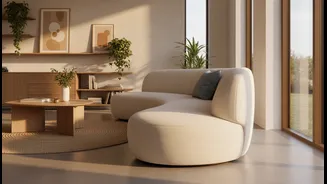
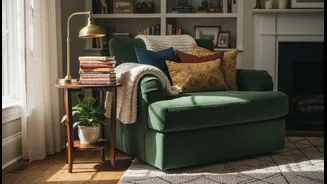
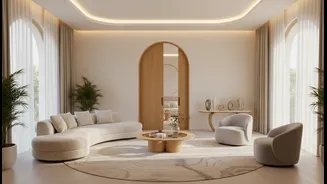
Curved furniture is your greatest ally in directing flow. A curved sofa, for instance, can soften the sharp corner of a room or create a gentle boundary in an open-plan space without putting up a visual wall. Its shape naturally encourages conversation by angling people toward each other. Instead of pushing a curved sofa against a flat wall, which can look awkward, float it in the room to show off its sculptural form and create easy pathways around it. Similarly, a round coffee table eliminates bumped shins and allows people to move more freely around a seating area. In a long, narrow hallway, a console table with rounded edges can prevent the space from feeling like a cramped corridor.
It’s Not Just About Sofas
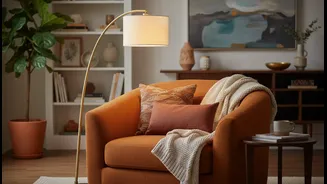
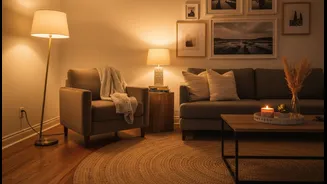
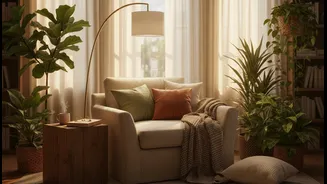
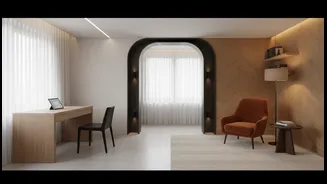
The power of the curve extends far beyond large furniture pieces. Architectural elements like arched doorways soften the transition between rooms, making the flow feel more natural. On the floor, a round rug can define a specific zone, like a reading nook or a seating area, creating a focal point that draws the eye inward. They are especially effective at making smaller spaces feel larger by eliminating the harsh, boxing-in effect of a rectangular rug. On the walls, a large circular mirror can echo the shapes of other curved items in the room, tying the design together and making the space feel more cohesive. Even small details, like curved lighting fixtures or rounded accent chairs, contribute to a sense of fluidity.
Finding the Right Balance
While curves are powerful, a room composed entirely of them can feel unfocused and overly soft. The magic often lies in the contrast between curved and straight lines. Pairing a rounded sofa with a rectangular side table, or placing a circular mirror above a linear console, creates a dynamic balance that is visually interesting. The straight lines provide structure and stability, while the curves add movement and grace. It’s also important to consider scale. A massive, chunky curved sofa might overwhelm a small room, effectively blocking the very pathways you’re trying to clear. The key is to choose pieces that complement the room's size and enhance, rather than hinder, its natural flow.