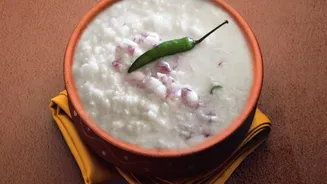





As winter arrives, a familiar debate unfolds in many Indian homes: should you eat curd? This beloved staple is often feared to cause colds, but is there truth to this age-old belief? Let's unpack the science and tradition behind dahi in winter.
The Ayurvedic Perspective on Curd
According
to several Ayurvedic texts, the advice on eating curd in winter is nuanced. Ayurveda classifies foods based on their inherent nature (virya) and post-digestive effect. Some interpretations describe curd as 'ushna' or heating in nature, making it theoretically beneficial during cold months when the digestive fire (agni) is strong. This allows the body to better handle heavy foods like curd. However, other Ayurvedic principles caution against it because curd is also considered 'guru' (heavy) and can increase 'kapha dosha', which is associated with mucus and congestion. This is why Ayurveda strongly advises against consuming curd at night, as the kapha influence is naturally higher, potentially leading to respiratory issues or worsening a cold.
Modern Nutrition's Take on Winter Curd
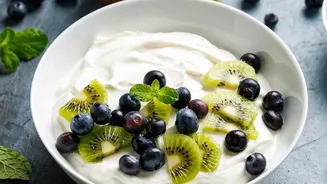
From a modern nutritional standpoint, curd is a powerhouse of nutrients that are beneficial year-round, including winter. It is an excellent source of high-quality protein, calcium, phosphorus, and vitamins B2 and B12. Most importantly, curd is a probiotic food, rich in beneficial bacteria that support a healthy gut microbiome. Since a large part of the immune system resides in the gut, a healthy gut can lead to stronger immunity. This is particularly valuable in winter when seasonal illnesses like the cold and flu are more common. Scientific studies suggest that regular consumption of fermented dairy products may even help reduce the duration of upper respiratory tract infections.
Myth: Curd Causes Colds and Coughs
This is the primary concern for most people. The direct answer from a medical perspective is no; curd does not cause a cold or cough. These illnesses are caused by viruses. The belief likely stems from the fact that dairy products can sometimes create a sensation of thicker mucus or phlegm in some individuals. This is an individual response and does not mean curd is creating an infection. However, if you already have a cold or are prone to respiratory issues like asthma, both modern and traditional advice suggest being cautious, as an increase in mucus can cause further irritation.
The Golden Rules for Eating Curd in Winter
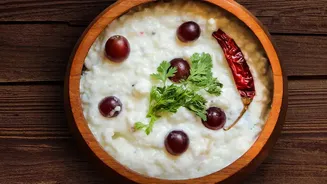
If you want to enjoy the benefits of curd without the worry, the key lies in how and when you eat it. The consensus from both traditional and modern experts is to avoid consuming curd straight from the refrigerator. Cold foods require the body to work harder to bring them to body temperature. Instead, let the curd come to room temperature before eating. The best time to have it is during the day, preferably around lunchtime when digestion is at its peak. Avoid eating it at night. To further balance its properties, you can try adding a pinch of warming spices like roasted cumin powder, black pepper, or a bit of ginger.
Listen to Your Body
Ultimately, how your body reacts is the most important indicator. While curd is generally safe and beneficial for most people in winter, some individuals may be more sensitive to its effects. If you find that eating curd, even at room temperature during the day, seems to worsen feelings of congestion for you, it might be best to reduce your intake or avoid it when you're feeling under the weather. For most, however, there is no scientific reason to completely banish this nutritious food from your winter diet. Enjoying it mindfully allows you to reap its immune-boosting and digestive benefits throughout the colder season.