


What the Data Says
While the headline's claim is bold, the data is certainly compelling. Analytics from consumer review platforms like Yelp have highlighted a significant and sustained increase in searches for Indian food. Reports over the last few years have consistently
shown Indian dishes among the fastest-growing search queries. For instance, one Yelp trend report noted a massive triple-digit percentage spike in searches for tiffin services, signalling a desire for authentic, home-style Indian meals. This isn't an isolated blip. Food delivery giants like DoorDash and Uber Eats have also reported that dishes like butter chicken and garlic naan are perennial favourites, often ranking among the most ordered items in diverse international markets. The numbers paint a clear picture: when the world gets hungry, it's increasingly thinking Indian.
Beyond Butter Chicken and Tikka Masala
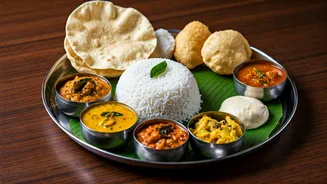
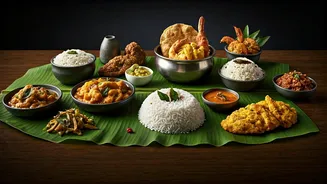
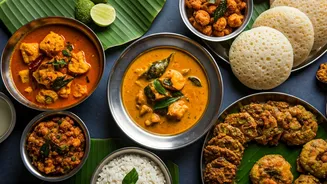
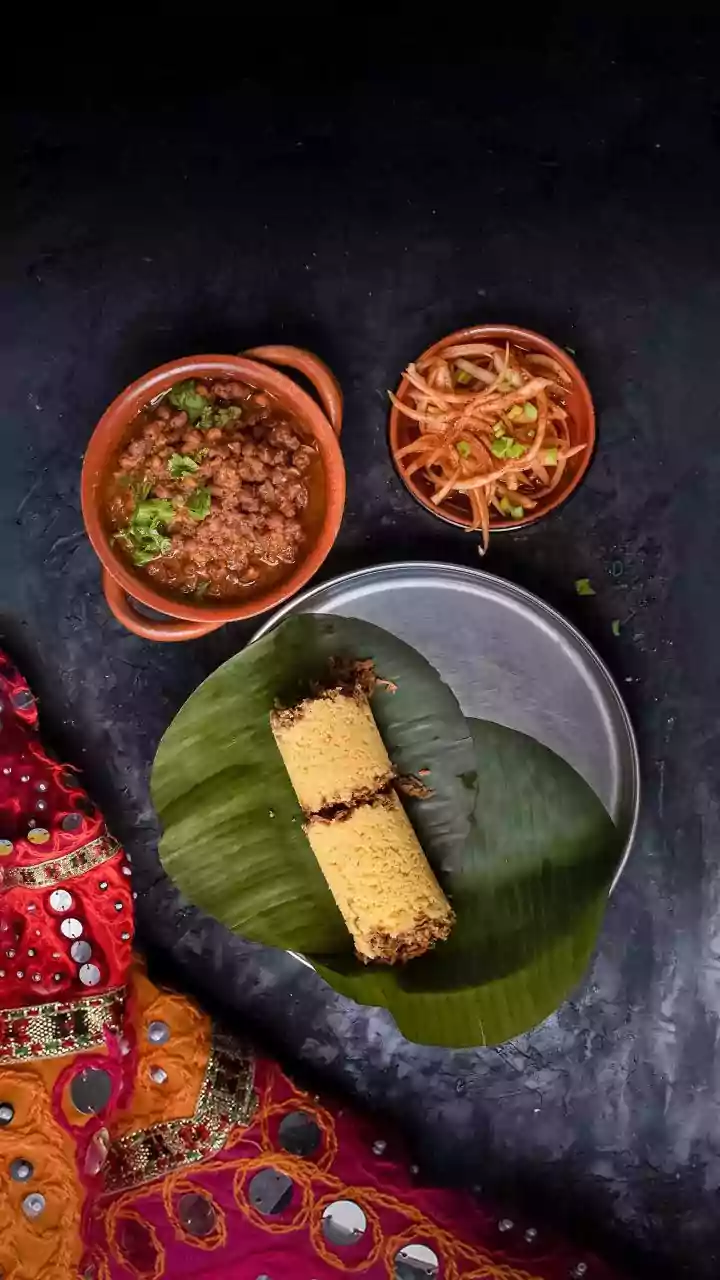
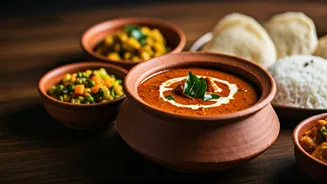
For decades, the global understanding of Indian food was often limited to a few North Indian, Mughlai-inspired staples popularised in the UK. While classics like butter chicken, chicken tikka masala, and palak paneer remain beloved gateways to the cuisine, the current boom is defined by a newfound depth and diversity. Diners are now actively seeking out regional specialities. Searches for South Indian staples like dosas and idlis are on the rise, celebrated for their light, fermented flavours. The complex, coconut-based curries of Kerala, the fiery dishes of Goa, and the rich vegetarian thalis of Gujarat are all finding a wider audience. This exploration shows a maturing global palate, one that’s eager to move beyond the familiar and taste the incredible variety that the Indian subcontinent has to offer.
A Perfect Recipe for Global Success
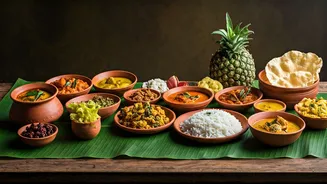
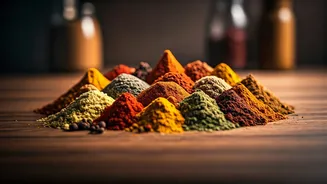
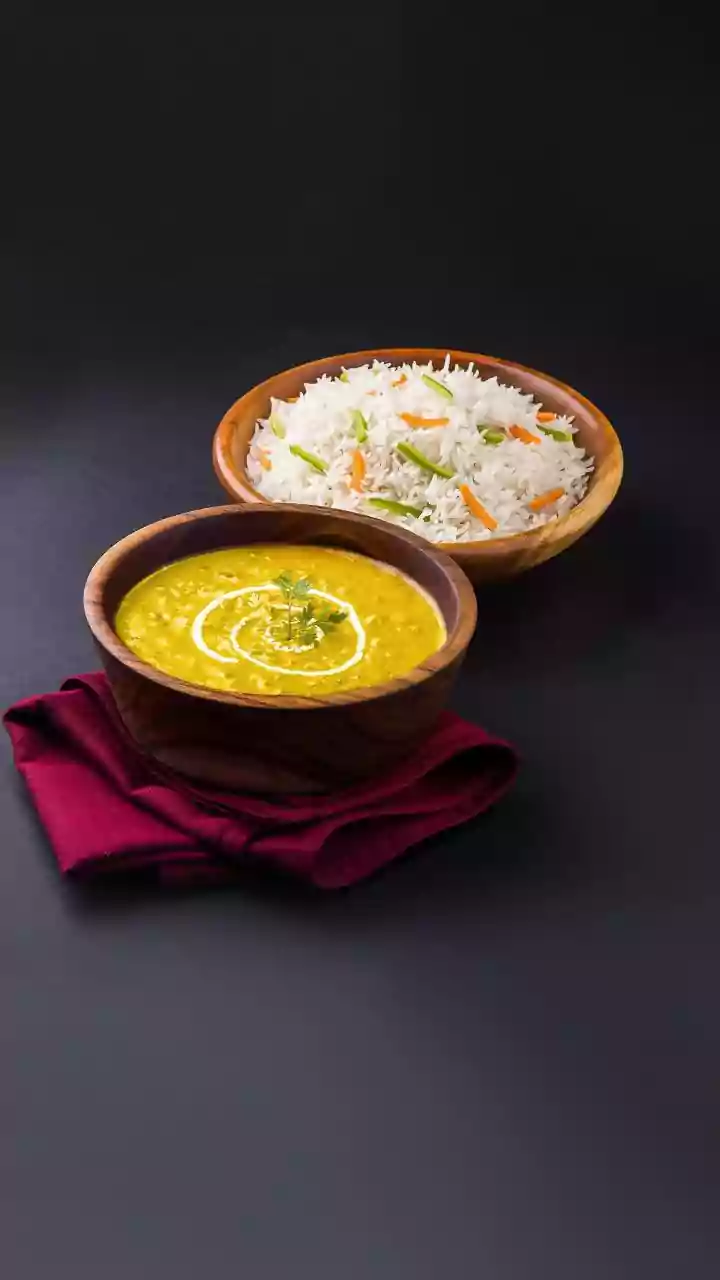
So, what’s fuelling this culinary conquest? It’s a combination of cultural and social factors. Firstly, the vast and influential Indian diaspora has acted as a global culinary ambassador, opening restaurants and sharing family recipes that serve as authentic entry points. Secondly, the global wellness movement has put a spotlight on the cuisine's strengths. Many Indian dishes are naturally vegetarian or vegan, packed with nutrient-rich legumes, vegetables, and anti-inflammatory spices like turmeric and ginger. As more people adopt plant-based diets, Indian food offers a flavour-packed, deeply satisfying option. Finally, in the age of social media, Indian food is simply beautiful. The vibrant colours of a thali, the steam rising from a biryani, and the comforting look of a bowl of dal make for irresistible content, sparking curiosity and cravings across Instagram and TikTok.
From Takeaway Staple to Fine Dining Star
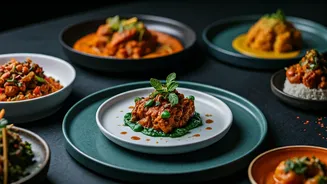
Perhaps the most significant shift has been in perception. For a long time, Indian food in many Western countries was relegated to the category of cheap, late-night takeaway. That stereotype is now being dismantled by a new generation of visionary chefs. All over the world, Indian restaurants are earning Michelin stars by reinterpreting classic dishes with modern techniques and premium, local ingredients. Chefs like Gaggan Anand in Bangkok, who famously applied molecular gastronomy to Indian flavours, have redefined what the cuisine can be. This elevation to the world of fine dining has had a powerful trickle-down effect, lending a new prestige to the cuisine as a whole and encouraging diners to see it as a sophisticated, complex, and world-class culinary art form.