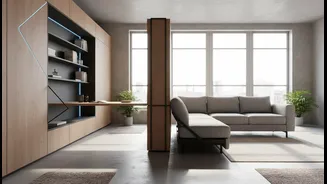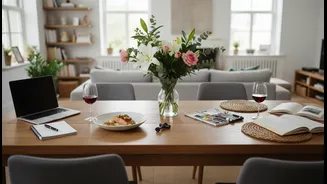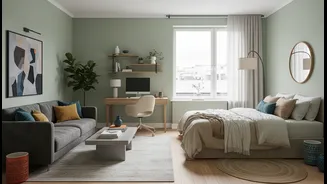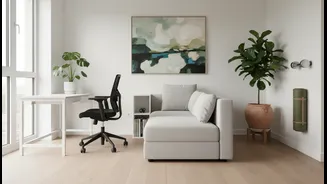




The End of Empty Spaces
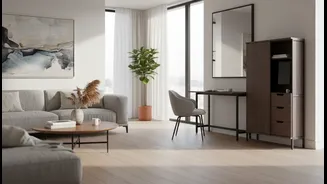
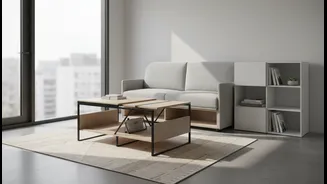
For decades, minimalist design philosophy taught us that empty space was a luxury. A clean, uncluttered home with vast, open areas signified sophistication and a rejection of material excess. That empty corner wasn't 'dead space'; it was a deliberate
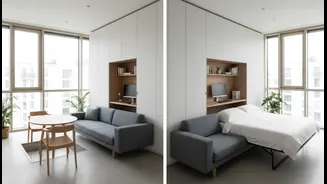
design choice. But a fundamental shift is underway. The very idea of a home's purpose has been rewritten, and with it, the value of every square inch. What was once seen as elegant emptiness is now viewed as a wasted opportunity for function, comfort, and self-expression. Homeowners are no longer content with rooms that only serve a single, occasional purpose.
Why Every Inch Suddenly Counts
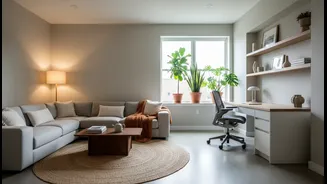
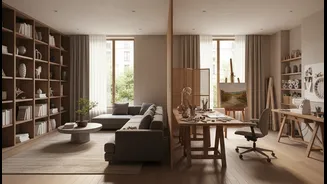
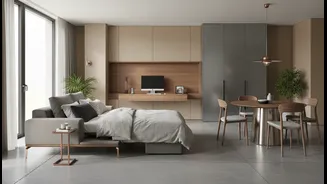
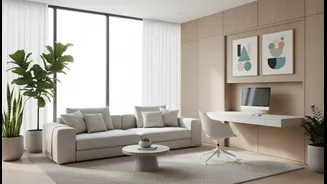
Several factors are driving this change. The global shift towards remote and hybrid work has been a primary catalyst. Our homes are no longer just places of rest; they are our offices, gyms, and creative studios. This has created an urgent need for multi-functional living areas. Furthermore, particularly in urban Indian cities, rising property values and compact apartment sizes make maximising utility a necessity, not a choice. A guest room that sits empty for 50 weeks a year is an indulgence many can no longer afford. Instead, that room must also function as a workspace, a hobby area, or a quiet retreat. This pragmatic need is coupled with a cultural shift away from stark minimalism towards more personalised, layered interiors.
From Awkward Nook to Functional Niche
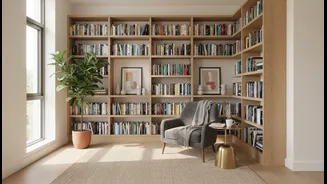
The transformations are creative and inspiring. The most popular example is the 'cloffice'—a closet converted into a compact, functional office. This trend, born out of necessity, allows for a clear separation between work and life; you can literally close the door on your office at the end of the day. But the innovation doesn't stop there. The empty space under a staircase is being turned into everything from a cosy reading nook with built-in bookshelves to a mini library, a stylish bar, or even a clever storage solution for shoes and bags. Wide, empty hallways are being lined with slim console tables or picture ledges to create mini art galleries. Even awkward corners are being brought to life with a comfortable armchair and a lamp, creating an instant reading spot.
A New, Purposeful Maximalism
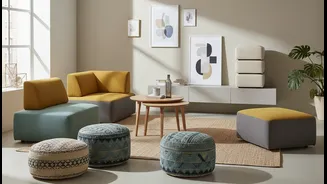
This trend isn't just about cramming more stuff into our homes. It's about a more intentional and expressive approach to design. While minimalism preached 'less is more', this new movement seems to suggest that 'more can be more' when it is curated with purpose. It aligns with the rise of 'maximalism' and 'cluttercore', which celebrate an abundance of colour, pattern, and personal objects. However, this isn't about messy chaos. Modern maximalism is about creating visually rich spaces that tell a story about the people who live there. A wall filled with bookshelves, family photos, and travel mementos isn't clutter; it's a narrative. This approach is particularly resonant in India, where homes are often vibrant hubs for multigenerational families, filled with heirlooms and art that reflect a deep cultural identity.