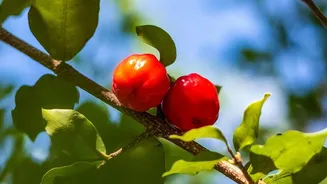







The Wild Heart of Karauli
The Dang region of Karauli is a world away from the sprawling deserts often associated with Rajasthan. It is a landscape of dense forests, hilly terrain, and rich biodiversity. This area, home to communities like the Meenas and Gurjars, has a rhythm dictated
by the seasons. The forests here are not just wilderness; they are a source of sustenance, medicine, and cultural identity. For generations, local inhabitants have relied on its bounty, from timber and medicinal herbs to the seasonal fruits that dot the landscape. Among the most anticipated of these natural harvests is that of the wild beri, a fruit that thrives without human intervention, flourishing in the harsh climate and offering its sweet and tangy reward to those who know where to look.
A Fruit of Myth and Nutrition
The wild beri, scientifically known as Ziziphus mauritiana, is a smaller, tangier, and often more intensely flavoured version of its cultivated counterparts. Often called the 'Indian jujube', this hardy fruit is a nutritional powerhouse, packed with a high concentration of Vitamin C, A, and B complex. Its resilience makes it perfectly suited to the arid conditions of the region, where it grows wild on thorny bushes, asking for nothing in return. The fruit holds a special place in local lore and is even linked to epic narratives like the Ramayana, where it symbolizes humble devotion. This cultural significance, combined with its distinct sweet-sour taste, transforms the beri from a simple fruit into a celebrated seasonal delicacy.
The Seasonal Harvest Tradition
When the berries ripen, typically between winter and early spring, the forest comes alive with activity. Entire families, particularly women and children, venture into the woods to partake in the annual harvest. The process is a communal one, a shared activity that strengthens social bonds. Foragers carefully pluck the berries from thorny bushes, a task that requires patience and skill. The atmosphere is one of quiet excitement, a celebration of nature's generosity. This tradition is more than just gathering food; it is an act of connection with the land, a practice passed down through generations that reinforces the community's intimate knowledge of their environment. For many, it's a source of fond childhood memories and a tangible link to their heritage.
A Sweet Boost to the Local Economy
The wild beri harvest is not just a cultural practice; it's also a crucial source of supplemental income for many families in the Dang region. Once collected, the berries are brought to local markets, where they are sold both fresh (wet) and dried. Fresh berries fetch a good price, but dried berries, which have a longer shelf life, can be particularly lucrative. The fruit is versatile, used to make pickles, chutneys, candies, and powders. This seasonal enterprise provides a degree of economic independence, especially for the women who are often at the forefront of the collection and sales process. It’s a small-scale, sustainable economy built entirely around a wild, naturally occurring resource.
Preserving a Natural and Cultural Heritage
The tradition of harvesting wild beri is a beautiful example of a harmonious relationship between humans and nature. It relies on the health of the forest ecosystem, which faces increasing pressure from development and population growth. The sacred groves found within the Karauli region are a testament to the long-standing conservation ethics embedded in the local culture, protecting biodiversity and traditional knowledge. Protecting these forests is not only vital for ecological balance but also for preserving the cultural and economic practices that depend on them. The future of the wild beri tradition is tied directly to the future of the Dang forest itself, making conservation efforts essential for ensuring this unique heritage continues to thrive for generations to come.