

A chilling 'what if' scenario
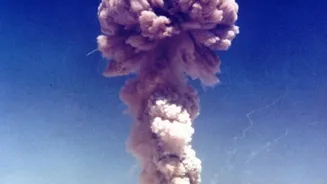
Scientists are examining a hypothetical but alarming scenario: the detonation of a nuclear weapon in low-Earth orbit. A recent study by researchers at the University of Wisconsin–Madison and Princeton University simulated a one-megaton explosion at an altitude
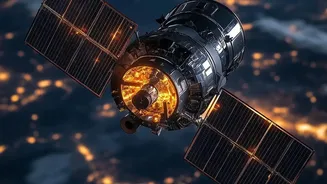
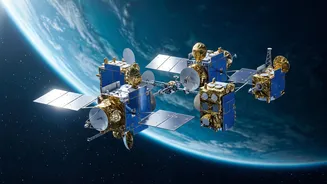
of 500 kilometres. The results suggest that such an event could have a devastating and rapid impact on the thousands of satellites that circle our planet, the backbone of everything from global finance to your phone's map application. This isn't just science fiction; the United States conducted a high-altitude nuclear test called Starfish Prime in 1962, which inadvertently damaged or destroyed several satellites, including the pioneering Telstar 1 communications satellite. Today, with over 13,000 active satellites in low-Earth orbit, the stakes are exponentially higher.
It's the radiation, not the blast
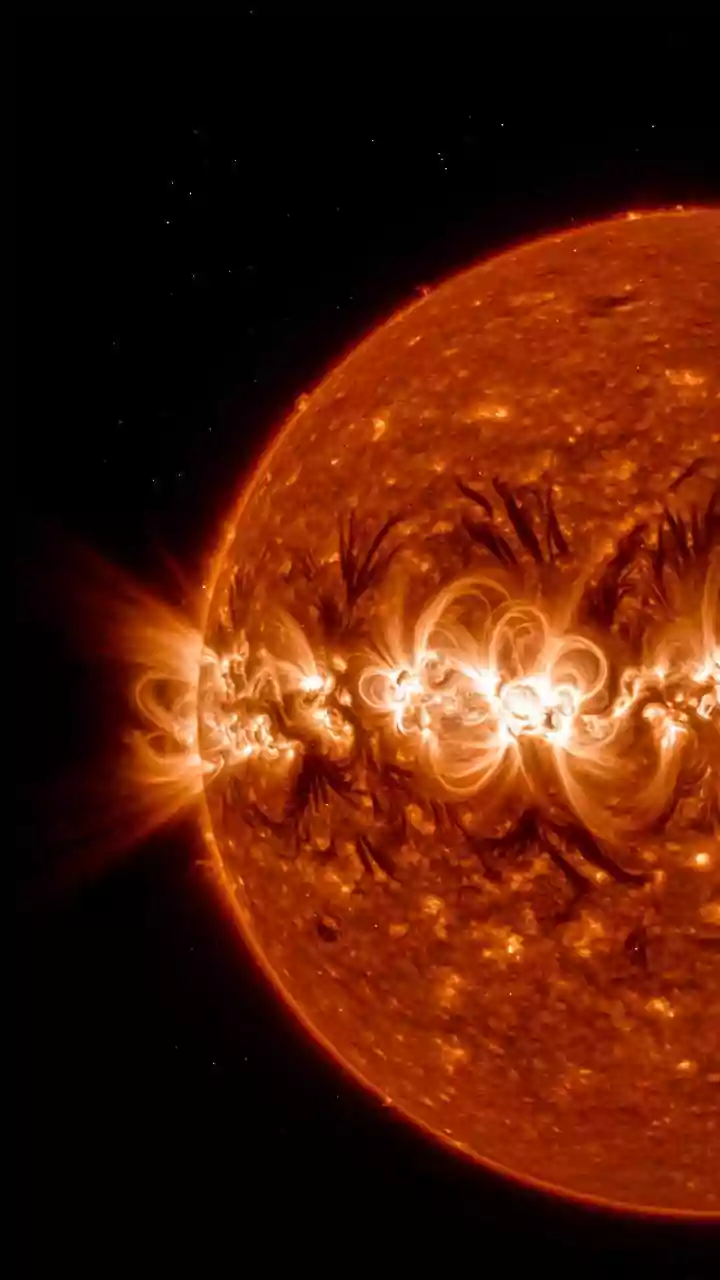
Unlike explosions on Earth, the primary threat in space isn't the shockwave. The real danger comes from what happens after the initial flash. A high-altitude nuclear detonation releases a torrent of energy, including gamma rays, that interact with the Earth's magnetic field. This process traps high-energy electrons, creating an intense, artificial radiation belt around the planet. While the initial blast might disable a fraction of satellites in its direct line of sight, this lingering radiation belt is the true killer. Satellites orbiting Earth repeatedly pass through this hazardous zone, with each transit delivering another dose of radiation that degrades and ultimately destroys their sensitive electronics. This delayed effect is far more destructive than the explosion itself.
A cascade of failure
The new research models a grim timeline. After just one day following a hypothetical one-megaton blast, about a quarter of the entire low-Earth orbit satellite fleet would be disabled. After three days, that number jumps to 78 percent. Within a week, a staggering 98 percent would be knocked out. Even satellites with strengthened radiation shielding wouldn't be safe, with the study predicting 99.3 percent would fail within a month. A smaller 100-kiloton weapon would still be catastrophic, just slower, disabling 99 percent of satellites within a year. The study notes that this scenario specifically models satellites in low-Earth orbit, not necessarily those in higher, geostationary orbits.
A minefield of space junk
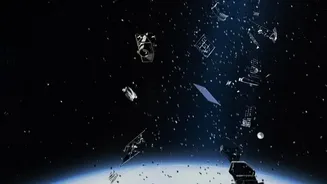
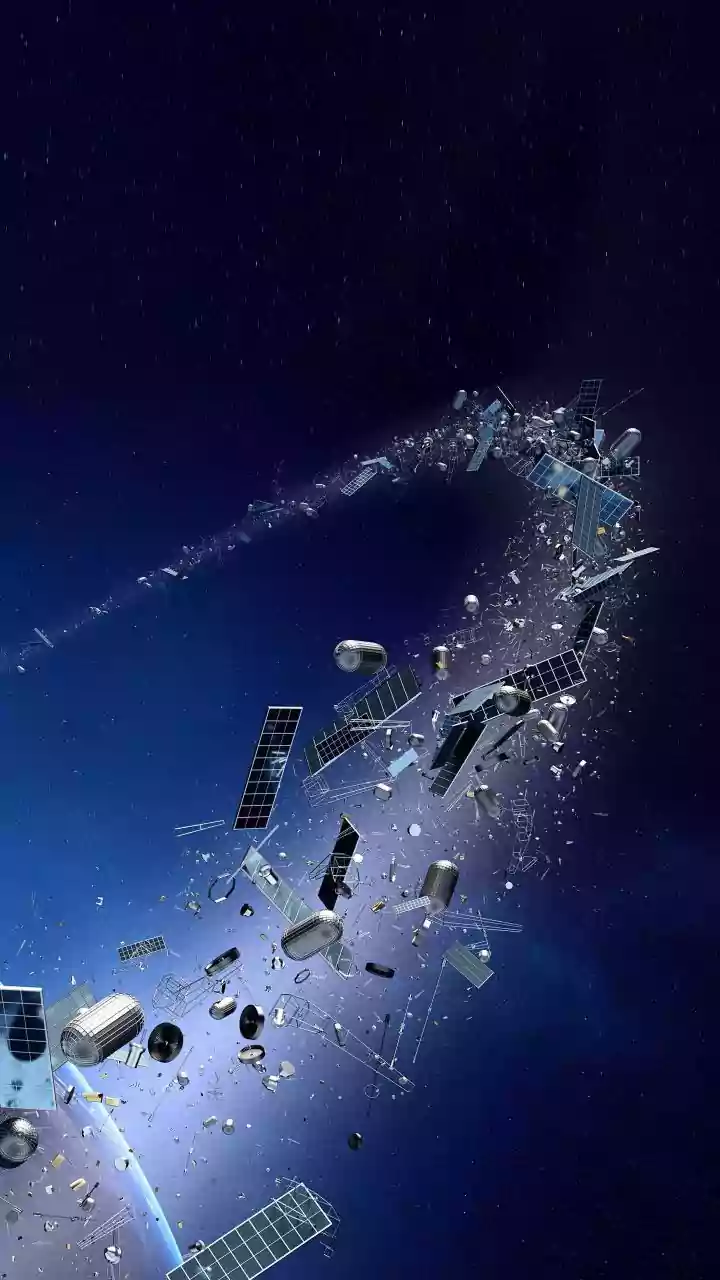
The disruption wouldn't end with dead satellites. Once a satellite's electronics are fried, it loses the ability to manoeuvre and adjust its orbit. It effectively becomes a piece of high-speed space junk. The study estimates that in the two years following the detonation, there would be approximately 20 collisions between these newly defunct satellites. Each collision would create thousands of new pieces of debris, setting off a chain reaction of further crashes known as the 'Kessler Syndrome'. This would create a perilous orbital environment, making it extremely difficult and risky to launch new satellites to replace the ones that were lost. The recovery would likely take years, all while navigating a sky littered with debris.
The impact on our connected world
The loss of this orbital infrastructure would send shockwaves across the globe. It would mean a severe degradation of services we rely on daily. GPS navigation would fail, disrupting logistics, aviation, and ride-sharing services. Global financial networks, which depend on satellites for timing and data transfer, would be impacted. Weather forecasting, disaster monitoring, and global communications would be crippled. While it wouldn't be an instant societal collapse, it would represent a prolonged and painful decay of modern life's essential services. This research serves as a critical reminder that a single act of aggression in space, aimed at a few satellites, could indiscriminately threaten the entire global infrastructure that humanity has built in orbit.