




A Legacy Baked in Earth
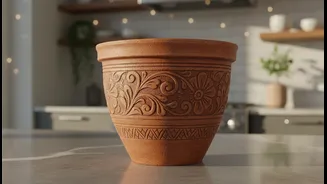
Rajasthan's relationship with clay is as old as its fabled history. The state is a mosaic of distinct pottery traditions, each rooted in the unique properties of its local soil. In Alwar, artisans practice the delicate art of Kagzi or ‘paper-thin’ pottery,
creating impossibly lightweight vessels. The village of Molela is renowned for its narrative terracotta plaques, which traditionally depict deities and folklore. Meanwhile, Jaipur’s iconic Blue Pottery isn’t made from clay at all, but from a mix of quartz and glass, resulting in vibrant, impervious ceramics that trace their lineage to Persia. This rich and diverse foundation of skill is now the launchpad for a remarkable evolution, where timeless craft is being reimagined for a new generation.
From Matka to Minimalist Mugs
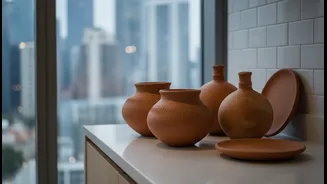
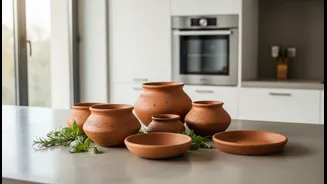
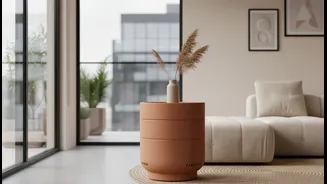
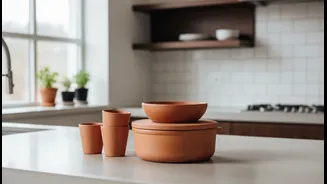
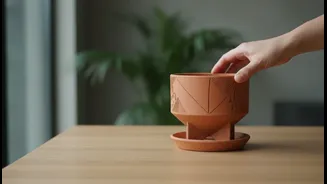
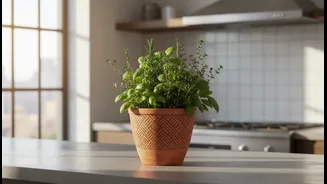
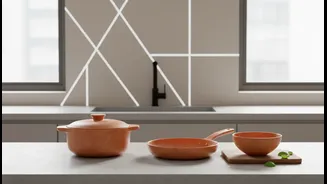
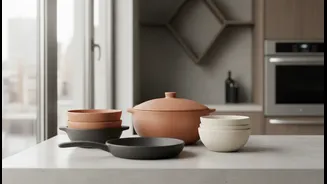
The traditional image of Rajasthani pottery often involves rustic matkas for storing water or decorative items for religious rituals. While that heritage remains strong, a new wave of creativity is sweeping through the artisan communities. Responding to the demands of urban consumers, potters are now crafting products that fit seamlessly into contemporary life. The humble clay form is being moulded into sleek dinner plates, modern casserole dishes, and unglazed kadhais perfect for slow-cooking. Artisans are experimenting with minimalist aesthetics, clean lines, and updated patterns to create everything from coffee mugs and beer steins to elegant serving platters and pasta bowls. This shift involves more than just new shapes; it’s a design-led movement to make earthenware both functional and fashionable for the city dweller.
The Hands Behind the Brand
This creative renaissance is also scripting a powerful story of economic empowerment. For generations, many artisans were reliant on seasonal tourism and local fairs, with earnings often being unpredictable. Today, a new ecosystem of social enterprises and startups is helping to change that narrative. Organizations are collaborating directly with craftspeople, providing design inputs, ensuring quality control, and offering access to a much larger market. This direct partnership often bypasses traditional middlemen, allowing a significantly larger share of the revenue to flow back to the artisans. As a result, many are transitioning from being sporadic producers to year-round entrepreneurs, earning a stable income that allows them to invest in their families and preserve their craft for the future.
Forging a Path to Urban Homes
The crucial link between the dusty workshops of rural Rajasthan and the high-rise apartments of Mumbai or Bengaluru is technology. E-commerce websites and social media platforms have become the new marketplace, showcasing these handcrafted goods to a national audience. Startups founded by young entrepreneurs are creating online stores that tell the story behind each product, connecting consumers not just with an object, but with the artisan who made it. This digital bridge makes the entire supply chain more transparent and efficient. A hand-painted kettle fired in a village kiln can be ordered online and delivered to a city doorstep within days, carrying with it a tangible piece of India’s artisanal heritage.
More Than Cookware: A Conscious Choice
The appeal of this contemporary clayware goes beyond its aesthetic charm. For a growing number of urban consumers, choosing earthenware is a conscious decision rooted in sustainability and wellness. These products are eco-friendly, made from natural materials with a minimal environmental footprint. Cooking in unglazed clay pots is also believed to enhance the flavour and nutritional value of food, offering a healthier alternative to modern cookware. Each purchase represents a vote for a more sustainable lifestyle and a direct investment in preserving India's rich craft traditions. It transforms a simple transaction into a meaningful act of supporting an artisan's livelihood and keeping a centuries-old skill alive and relevant in the 21st century.