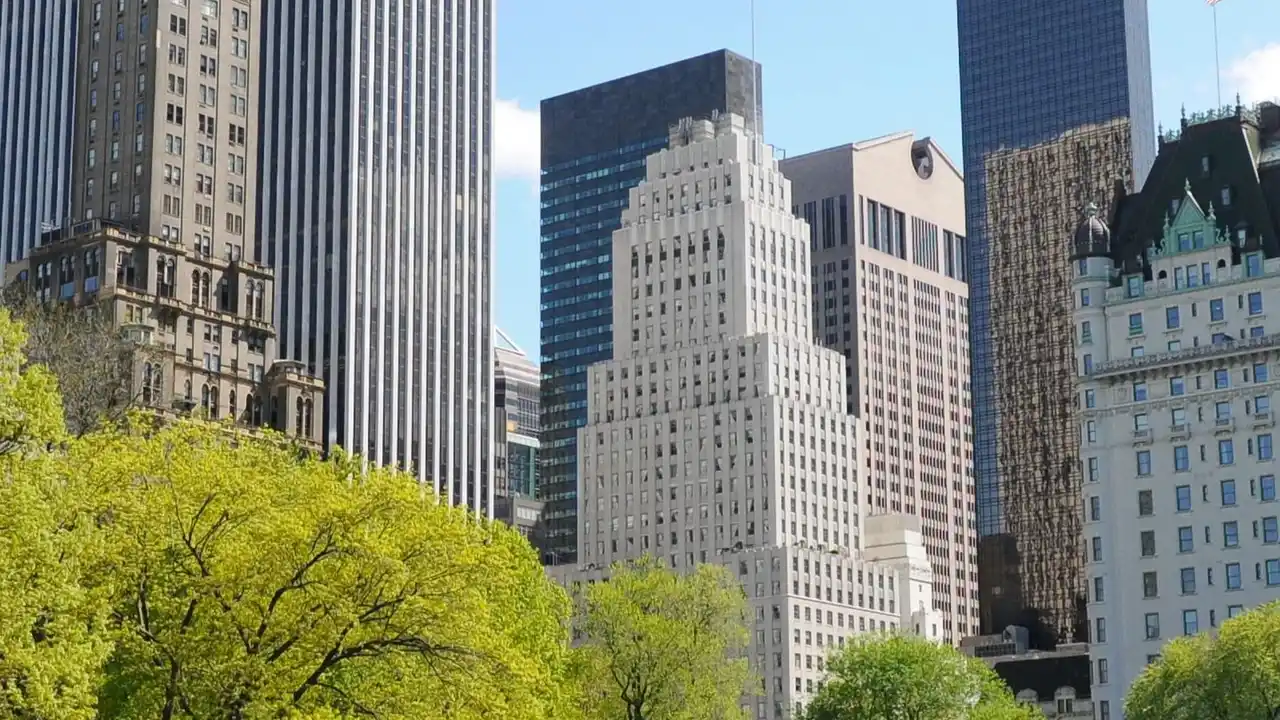








As winter approaches, the sun sits lower in the sky, causing the high-rise towers of our cities to cast long shadows. For apartment dwellers, this means less direct sunlight on balconies and in homes, impacting everything from mood to energy bills.
The Science of Winter Shadows
The
phenomenon is often called the 'urban canyon' effect. In densely packed cities, tall buildings create narrow street-level canyons that trap heat and alter wind flow. During summer, the sun is high overhead, and its rays can reach down into these canyons. But in winter, the sun travels in a much lower arc across the sky. This lower angle means that even a moderately tall building can cast a shadow that stretches much further, potentially blanketing a neighbouring building's balconies and windows for most of the day. This effect is especially pronounced in east-west oriented streets, which can lose significant sun exposure during winter months.
Why Chasing the Sun Matters
A lack of natural light is more than just an inconvenience; it has tangible effects on our well-being and home environment. Exposure to sunlight helps our bodies produce Vitamin D, a crucial nutrient for bone health and immune function. It also plays a vital role in regulating our circadian rhythms, which control our sleep-wake cycles. Insufficient daylight can disrupt sleep and has been linked to Seasonal Affective Disorder (SAD), or the 'winter blues'. Beyond health, a sun-starved apartment can mean higher electricity bills from increased use of artificial lighting, and a challenging environment for keeping house plants alive. It can even lead to higher moisture levels, which may encourage mould growth.
A Sun Tracker in Your Pocket
Fortunately, technology offers a solution. A growing category of smartphone apps act as sophisticated sun trackers, helping you predict exactly when and where sunlight will fall on your property. Apps like Sun Finder, Sun Tracker AR, and SunOnTrack use your phone's GPS, compass, and augmented reality (AR) to show the sun's path throughout the day and year. You can point your camera at the sky to see an overlay of the sun's trajectory or use a 3D map to see how shadows from surrounding buildings will move across your balcony at any given time. This allows you to identify those precious windows of direct sunlight, even if they're only an hour or two long.
From Data to Daily Routine
Knowing when the sun will arrive is one thing; making use of it is another. With information from a sun tracker app, you can build a 'sun schedule'. This might mean timing your morning coffee on the balcony for the exact 45 minutes it gets direct light. It can inform where you place your sun-loving plants, perhaps moving them to different spots on the balcony to follow the light. For those working from home, it offers a chance to schedule a break and soak up some rays to boost mood and focus. Even household chores can be optimised, like knowing the best time to hang laundry out to dry in the limited winter sun.
Low-Tech Ways to Brighten Up
Beyond apps, several design tricks can help you maximise the light you do get. Placing a large mirror on a wall opposite a window or balcony door can dramatically increase the brightness in a room by reflecting incoming light. Choosing light, neutral colours for your walls and furniture can also make a space feel brighter and more open. If your balcony is covered by the one above it, specialised 'balcony reflectors' can be installed on the railing to catch light from the sky and bounce it into your home. Finally, if your balcony is too shady for flowering plants, consider shade-loving varieties like ferns or add colour with vibrant outdoor rugs and pillows.