




Analyse Your Local Conditions
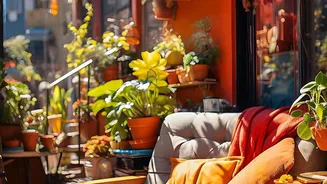
Before you buy a single plant, take a moment to assess your specific environment. How much direct sunlight does the area get? Is your soil loamy, clay-like, or sandy? Are you working with a spacious garden, a compact terrace, or a few pots on a windowsill?
Answering these questions is the first step towards success. Plants, like people, have their own preferences. A sun-loving plant will not flourish in a shady corner, and a species adapted to dry conditions may struggle in a waterlogged pot. Understanding your 'canvas' ensures you select plants that will thrive with minimal effort, forming a healthy foundation for your wildlife haven.
Choose Native Plants First
The single most effective strategy for attracting local wildlife is to plant native species. Plants like Neem, Jamun, Amaltas, and Tulsi have evolved over millennia alongside India's birds, bees, and butterflies, forming essential relationships. These species provide the right kind of food, shelter, and breeding grounds for local fauna. For example, the curry leaf plant is a host for the Common Mormon butterfly, which lays its eggs on the leaves. Native plants are also better adapted to the local climate and soil, meaning they typically require less water and no chemical pesticides or fertilisers to flourish.
Planting for Pollinators
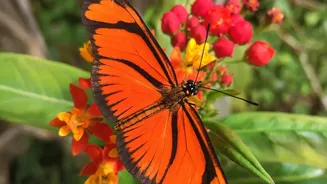
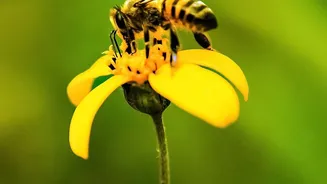
To attract bees and butterflies, your garden needs a steady supply of nectar-rich flowers. Butterflies are drawn to brightly coloured clusters of flowers that provide a good perch for feeding. Plants like Ixora, Pentas, Marigold, and Hibiscus are excellent choices that grow well in Indian city gardens. Lantana is also a well-known butterfly magnet. For something that will truly mesmerise butterflies, consider Heliotrope, whose nectar is said to be intoxicating for them. Remember to provide not only nectar plants for adult butterflies but also 'larval host plants' for their caterpillars. Without these, butterflies will lay their eggs elsewhere.
Creating a Haven for Birds
Birds look for three main things: food, water, and shelter. You can cater to them by planting a mix of trees and shrubs that provide berries, seeds, and nectar. Small, digestible fruits are particularly valuable. Trees like Guava and Jamun, and ficus species like Peepal, are excellent food sources. For nectar, red-coloured, trumpet-shaped flowers like Hibiscus and Indian Coral Tree are highly effective at attracting birds. To provide shelter and nesting sites, aim for layered vegetation with a mix of ground cover, dense shrubs, and taller trees. Research shows that gardens with varied heights host significantly more bird species.
Go Beyond Plants: Water and Shelter
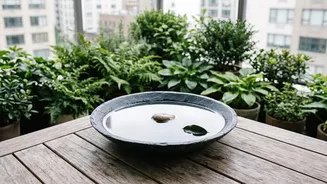
A complete wildlife habitat offers more than just flora. A simple, shallow dish of clean water can make your garden a vital resource for birds to drink and bathe. During monsoons, clean water can become scarce, making a birdbath even more valuable. You can also create 'puddle zones' for butterflies by keeping a plate of wet sand, which they love. Furthermore, don't be too tidy. A small log pile or a patch of leaf litter provides essential shelter for insects and other small creatures, many of whom are a food source for birds. Most importantly, avoid all chemical insecticides and pesticides, as they are harmful to the very creatures you wish to attract.