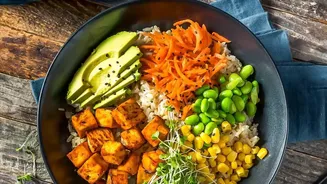

Struggling to make a vegetarian lunch that's both filling and genuinely high in protein? The answer is simpler than you think and lies in a classic food pairing that has been a staple in Indian kitchens for generations: pulses and grains.
The Protein Puzzle Explained
Protein is a
crucial macronutrient that builds muscle, repairs tissue, and most importantly for a midday meal, keeps you feeling full and energised, preventing that dreaded afternoon slump. Proteins are made of building blocks called amino acids. There are nine 'essential' amino acids that our bodies cannot produce, so we must get them from food. While animal products are 'complete proteins' containing all nine, most plant foods are 'incomplete', meaning they are low in one or more of these essential amino acids. This is where nutritional synergy comes into play.
The Power of a Perfect Pair
The magic happens when you combine pulses (like dals, beans, and chickpeas) with grains (like rice, wheat, and quinoa). Pulses are typically rich in the amino acid lysine but low in methionine. Grains, conversely, are low in lysine but contain methionine. When you eat them together, they fill each other's nutritional gaps, creating a complete protein profile that is comparable to that of meat or eggs. This is the science behind why traditional meals like dal-rice are not just comfort food but a nutritionally complete powerhouse. You don't even need to eat them in the exact same mouthful; consuming them over the course of a day works too.
Lunchbox Hero: Classic Rajma Chawal
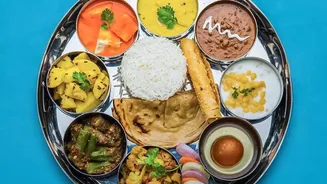
There’s a reason rajma chawal is a North Indian icon. It is a perfect example of this protein-pairing principle. A single plate of rajma chawal can provide a substantial amount of protein, with some estimates reaching around 14 grams per standard serving. Rajma, or kidney beans, are packed with protein, fibre, and iron, promoting satiety and sustained energy. Paired with steamed rice, it becomes a wholesome, muscle-building meal that digests well and keeps you powered for hours. For a lunchbox, pack the warm rajma curry in a thermos and the rice separately to assemble just before eating.
Modern Makeover: Quinoa and Chickpea Salad
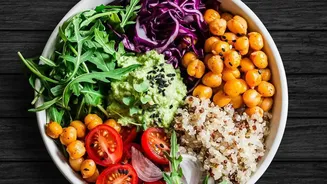
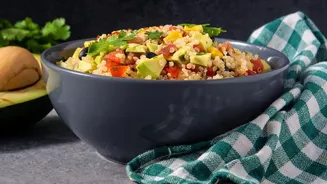
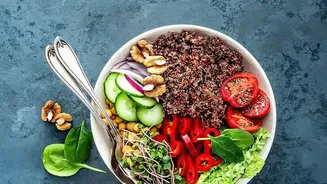
For a lighter, no-reheat lunch, a quinoa and chickpea salad is an excellent option. Quinoa is one of the few plant-based foods that is a complete protein on its own, containing all nine essential amino acids. Chickpeas are also a protein and fibre heavyweight. Combining them creates an undeniable protein champion. Toss cooked quinoa and chickpeas with chopped cucumber, tomatoes, onions, and a simple lemon-tahini dressing. This salad travels well and provides a refreshing yet substantial meal that won't weigh you down.
Comfort Food Power_Up : The Humble Khichdi
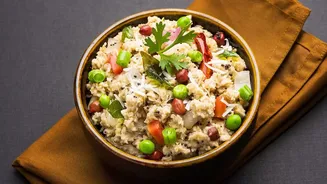
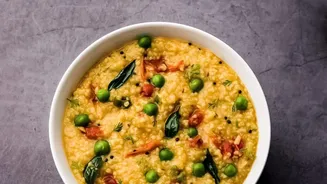
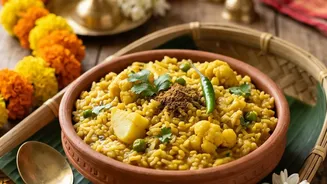
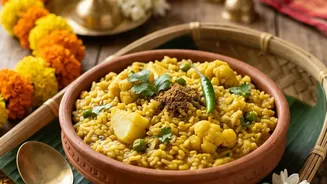
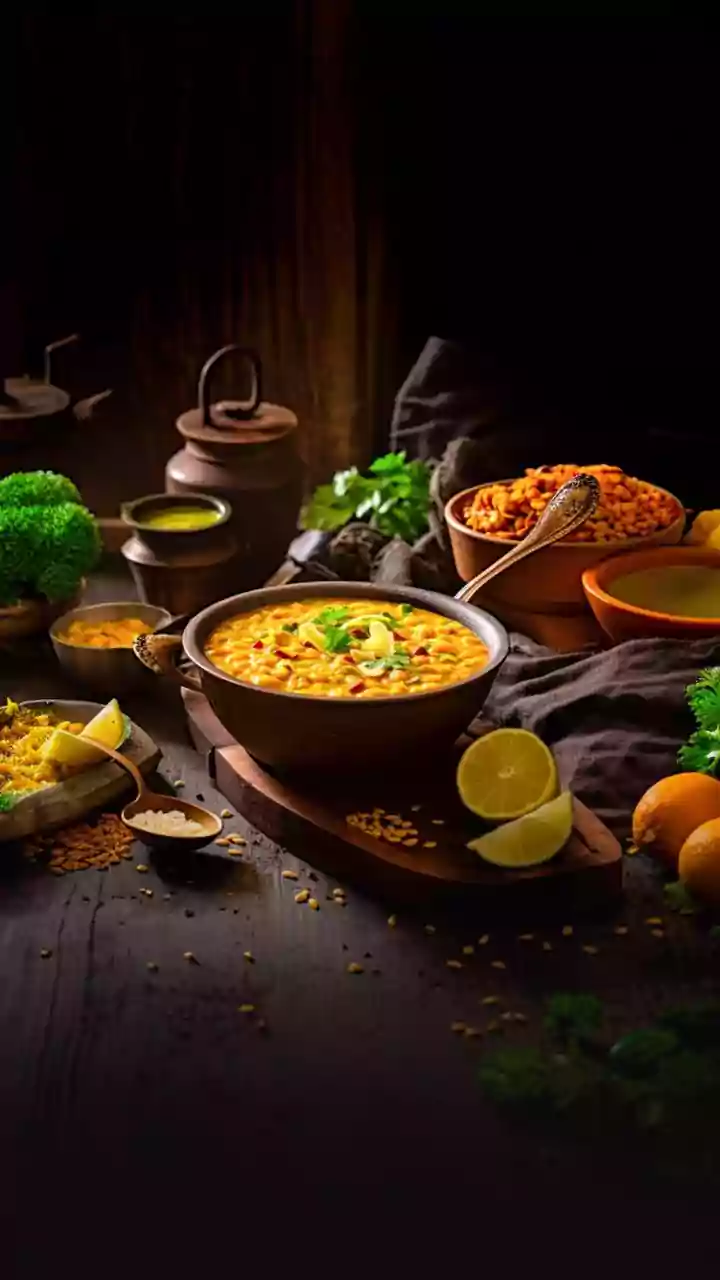
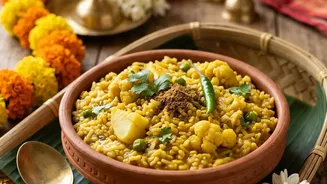
Often seen as food for recovery, khichdi is one of the most intelligent and balanced meals you can eat. The combination of rice and lentils (typically moong dal) makes it a complete protein source that is incredibly easy to digest. One bowl can offer a good serving of protein, fibre, and essential minerals. To make it a more robust lunch, you can cook it with a variety of vegetables like peas, carrots, and beans to boost its nutrient profile. A serving of plain curd on the side not only adds flavour but also contributes additional protein.
More Smart Combinations
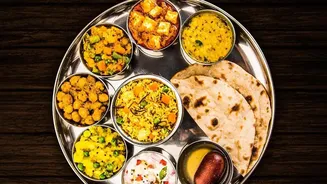
The possibilities are endless once you understand the basic principle. Think of chickpea curry (chole) with whole_wheat bread (roti or naan), a bean burrito with corn tortillas, or even a simple peanut butter sandwich on whole_wheat bread. Each of these pairings leverages the same nutritional wisdom to deliver a complete protein package. Soups are another great vehicle ; a hearty lentil soup served with a slice of whole_grain bread makes for a warming and protein_rich lunch. The key is to always think of pairing a legume with a grain to ensure your vegetarian meal is as powerful as it is delicious.