





Setting Up Your Windowsill Garden
Before you begin, a little preparation goes a long way. You don't need a large balcony; a sunny windowsill is your best friend. For these herbs, choose pots that are at least 6-8 inches deep to give roots enough space. Ensure every pot has drainage holes
at the bottom to prevent waterlogging, which can lead to root rot. When it comes to soil, a standard, well-draining potting mix available at any local nursery is an excellent choice. Avoid using dense garden soil, as it compacts easily in pots and can choke the roots. A mix containing peat moss or coco coir, perlite, and a bit of compost will keep your plants happy. Lastly, identify your sunniest window. Most herbs, including these three, need at least four to six hours of bright, indirect sunlight daily. A south-facing window is often ideal.
Growing Coriander (Dhania)
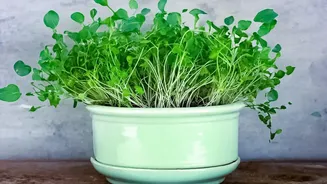
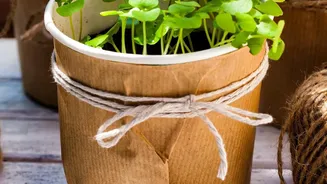
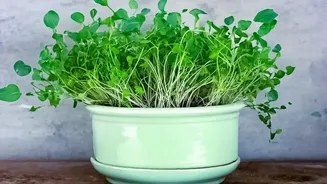
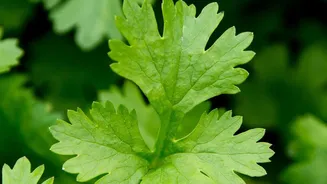
Fresh coriander is a staple in Indian kitchens, but it has a reputation for being tricky. The key to a continuous supply is regular sowing. Coriander grows quickly and tends to 'bolt' (flower prematurely) if stressed, especially by heat. Growing it in the cooler winter months indoors actually helps prolong the leaf-harvesting stage. To start, you can use whole coriander seeds from your kitchen spice box. Gently split the seeds into two halves to improve germination rates. Sow these seeds about a centimetre deep in your pot and keep the soil consistently moist but not soggy. You should see sprouts in about one to two weeks. Once the plants are a few inches tall, you can start snipping the outer leaves as needed. Don't pull the whole plant; this 'cut-and-come-again' method ensures it keeps producing. For a non-stop harvest, sow a new small batch of seeds every three to four weeks.
Cultivating Mint (Pudina)
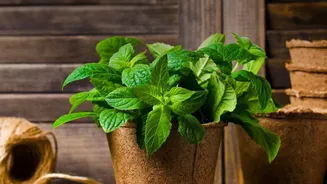
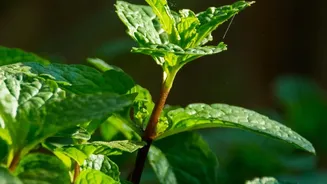
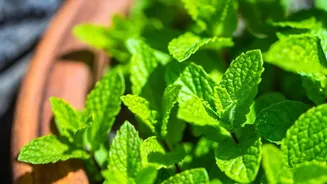
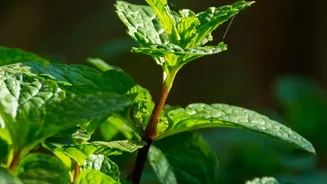
Mint is one of the easiest and most vigorous herbs to grow. It’s so enthusiastic that it’s best kept in its own pot to stop it from taking over. While you can grow it from seed, the quickest way to start is with cuttings from a bunch of fresh mint bought from the market. Simply place a few healthy stems in a glass of water on your windowsill. In about a week or two, you’ll see small white roots begin to form. Once these roots are about an inch long, you can plant them in a pot with your potting mix. Mint prefers consistently moist soil, so don't let it dry out completely. It’s also more tolerant of lower light conditions than many other herbs, making it a reliable windowsill companion. Pinch the tips of the stems regularly to encourage the plant to grow bushier and fuller, giving you more leaves to harvest for your chutneys, raitas, and teas.
Nurturing Tulsi (Holy Basil)
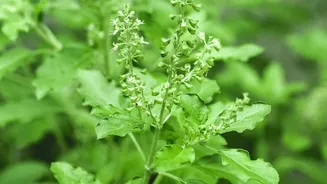
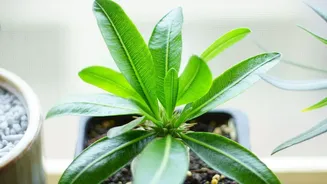
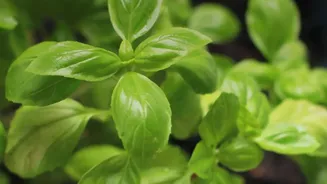
Tulsi is revered in many Indian households and is a wonderful, aromatic addition to your indoor garden. Tulsi loves warmth and sun, so a bright spot is essential for it to thrive, requiring at least four to six hours of daily sunlight. You can grow Tulsi from seeds or cuttings. If using seeds, sprinkle them on the surface of the soil and cover them with a very thin layer of mix, as they need some light to germinate. Keep the soil moist until the seedlings appear. Alternatively, you can take a 4-6 inch cutting from a mature plant and root it in water, similar to mint. Tulsi does not like cold drafts, so keep it away from open windows on chilly nights. Water your Tulsi plant when the top inch of soil feels dry, but be careful not to overwater, especially in winter when its growth slows down.
Special Care During Winter
Indoor winter gardening has its own set of rules. With shorter days and weaker sunlight, plant growth will naturally slow down. The biggest risk is overwatering. Always check the soil before adding more water; let the top inch or two become dry to the touch. Plants need less water when they aren't actively growing. Also, the dry air from indoor heating can be a problem. To increase humidity around your plants, you can group them together or place their pots on a tray filled with pebbles and a little water, ensuring the pot bottoms aren't sitting directly in the water. Finally, hold off on fertilising during the deepest winter months. Most plants enter a dormant phase and forcing growth with fertiliser can harm them. You can resume gentle feeding as the days get longer and you notice new growth.