







Why Eating Seasonal Matters in Monsoon
During the rainy season, our digestive fire, or 'Agni' as per Ayurveda, is considered weaker. This makes us more susceptible to infections and digestive issues. Eating seasonal foods is a simple yet effective strategy to counter this. Produce that is naturally
harvested during the monsoon is often lighter, easier to digest, and packed with the specific nutrients needed to boost immunity and fight off common illnesses of the season. Opting for local and seasonal produce also means you are getting food at its nutritional peak, as it hasn't been stored for long periods or transported over vast distances.
Embrace Gourds for Gut Health
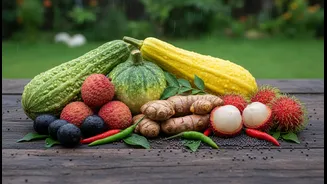
Gourds are stars of the monsoon kitchen for good reason. Vegetables like bottle gourd (lauki), ridge gourd (turai), and snake gourd are over 90% water, helping you stay hydrated in the humid weather. They are incredibly light on the stomach and rich in dietary fibre, which aids digestion and prevents issues like bloating and constipation that are common during this time. Bitter gourd (karela) is particularly beneficial. Though its taste is an acquired one, it is a powerhouse of Vitamin C and antioxidants that strengthen the immune system. It is also celebrated for its ability to help regulate blood sugar levels and support liver detoxification.
The Power of Purple: Jamun
Jamun, or Indian blackberry, is a quintessential monsoon fruit. Its deep purple hue comes from anthocyanins, powerful antioxidants that protect the body from damage and support the immune system. Jamun is low in calories but rich in fibre, Vitamin C, iron, and potassium. This makes it excellent for digestive health and managing common stomach ailments during the rains. Traditionally used in Ayurvedic medicine to help manage blood sugar levels, jamun is a nutrient-dense fruit that perfectly complements a healthy monsoon diet.
Other Essential Monsoon Fruits
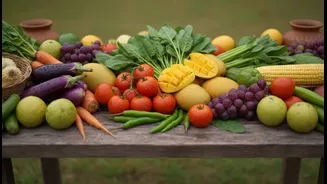
Beyond jamun, several other fruits come into their own during the rains. Peaches, rich in vitamins A and C, are great for skin health, which can be affected by the humidity. Plums are another excellent choice, packed with fibre and antioxidants that bolster immunity. Pomegranates are rich in antiviral properties and support good gut health. Litchis, available at the beginning of the season, are a great source of Vitamin C and can help with digestive issues. These fruits provide natural sugars for energy and a variety of vitamins and minerals to keep you healthy.
Root Vegetables and Spices for Immunity
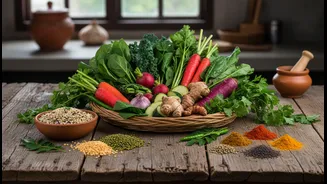
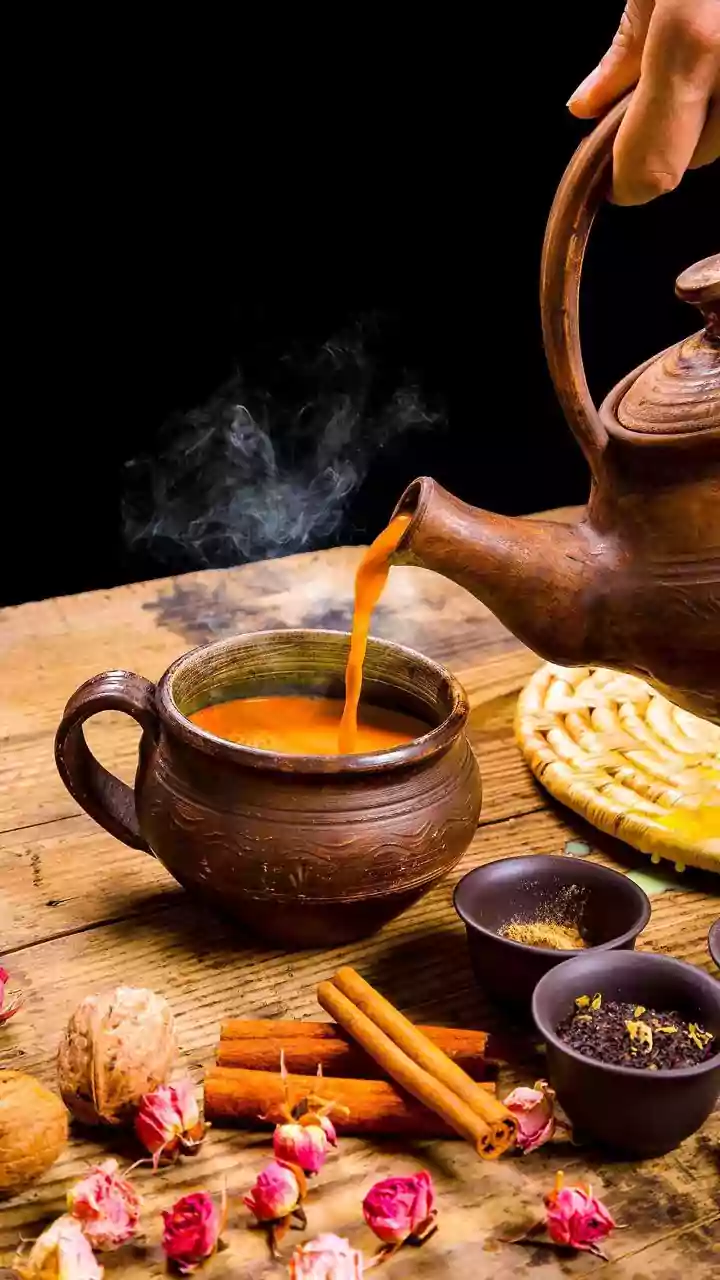
Root vegetables like beetroot and carrots are also excellent during this season. Beetroot is a fantastic source of iron, potassium, and Vitamin C, helping to boost stamina and regulate blood pressure. Spices play a crucial role in a monsoon diet. Ginger, garlic, turmeric, and black pepper are not just for flavour; they have potent anti-inflammatory and antimicrobial properties. Adding these to your cooking can aid digestion, soothe sore throats, and provide an extra layer of protection against infections. Warm herbal teas made with ginger and tulsi are a comforting and healthy way to stay hydrated.
A Note on Preparation and Caution
While seasonal produce is beneficial, proper preparation is key during the monsoon. The high moisture content in the air can lead to faster spoilage and bacterial growth. It is crucial to wash all fruits and vegetables thoroughly, perhaps by soaking them in salt or vinegar water for a few minutes. According to Ayurvedic principles, it's best to consume well-cooked, warm meals rather than raw salads, as raw foods can be harder to digest and may carry contaminants. While leafy greens like spinach are nutritious, they must be cleaned meticulously and cooked well before eating. Avoiding street food, especially pre-cut fruits and raw chutneys, is a wise precaution to prevent water-borne illnesses.