



The Post-Pandemic Shift
The flexible work models that became mainstream during the pandemic have permanently altered the professional landscape. With the ability to work from anywhere, many employees, especially those in the tech and creative sectors, are questioning the necessity
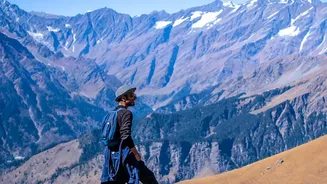
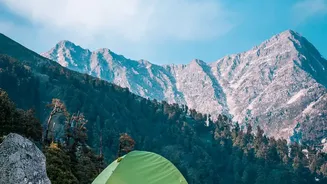
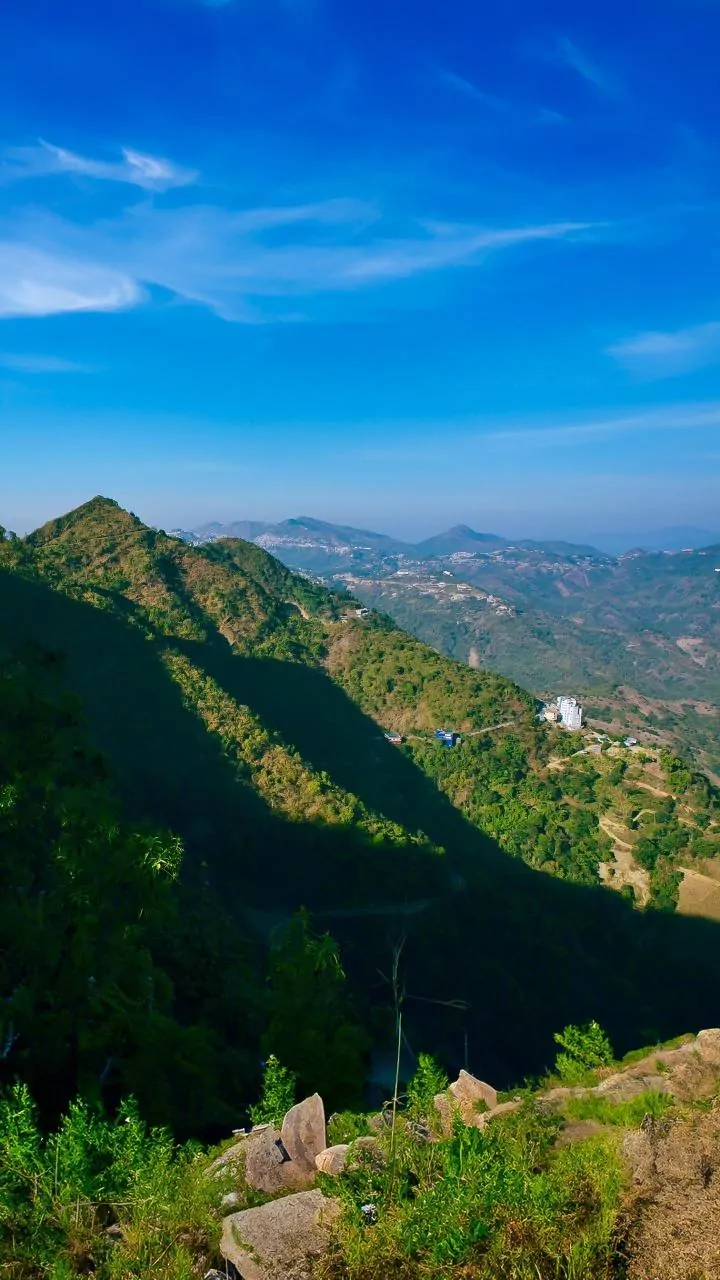
of living in expensive and congested metropolitan areas. This has sparked an exodus from cities like Bengaluru, Mumbai, and Gurugram, as professionals seek a better quality of life. The mountains of Himachal Pradesh, long a popular tourist destination, have emerged as a leading choice for this new class of digital nomads. The promise of fresh air, stunning scenery, and a slower pace of life is a powerful antidote to urban burnout.
An Irresistible Financial Equation
The most significant driver of this trend is simple economics. Low monthly rent packages offered by homestays, hostels, and co-living spaces in Himachal are a game-changer. For what many pay for rent alone in a major city, one can secure a comprehensive package in the mountains that often includes accommodation, high-speed Wi-Fi, and sometimes even meals. For example, monthly expenses in Manali can be as low as ₹21,000, including rent for a 1BHK with utilities. Some hostels offer beds with meals for around ₹700 a day, while co-living spaces in Dharamshala or Bir might start at ₹20,000-₹25,000 per month, inclusive of most amenities. This dramatic reduction in living costs allows for significant savings and financial freedom.
Popular Workation Hotspots
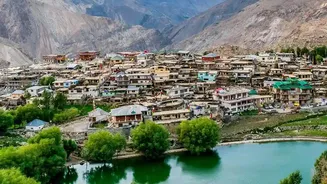
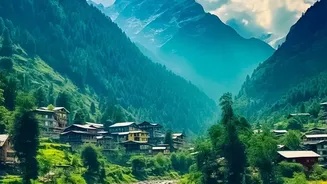
Several destinations in Himachal have become hubs for remote workers. Manali, particularly Old Manali and Vashisht, is a classic choice known for its vibrant cafe culture, social life, and adventure activities. Dharamshala and McLeod Ganj offer a unique blend of Tibetan culture, spiritual retreats, and a strong coworking community, making them ideal for focused work. For those seeking a quieter atmosphere, Bir Billing, famous for paragliding, provides a peaceful environment with a growing digital nomad scene. Offbeat gems like Tirthan Valley, Jibhi, and Naggar appeal to those wanting to escape the crowds and immerse themselves in nature, offering a chance for deep work and creative thinking.
More Than Just Savings
While affordability is the initial draw, the benefits extend far beyond the bank balance. Living in the Himalayas provides unparalleled access to nature and outdoor activities. Weekends can be spent trekking, exploring waterfalls, or simply relaxing with a mountain view. This lifestyle promotes better mental health, reduces stress, and encourages a healthier, more active routine. Many workation spots also foster a sense of community, connecting remote workers from diverse backgrounds and creating valuable professional and personal networks. The combination of productivity, wellness, and adventure is a core part of the appeal.
The Reality Check
However, a Himalayan workation is not without its challenges. Unreliable internet connectivity and frequent power cuts can be major hurdles, although the infrastructure for high-speed fiber internet is rapidly improving in popular towns. It's crucial to verify the Wi-Fi stability and power backup situation before committing to a long-term stay. The temptation of leisure can also make it difficult to maintain work discipline. Furthermore, accessibility can be an issue, especially during monsoon or heavy snowfall, and one must be mindful to respect local culture and customs to avoid friction with the community.