







What is a Chronotype?
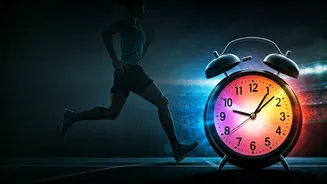
A chronotype is your body's natural tendency to sleep and be active at certain times of the day. Governed by genetics, it influences your energy levels, hormone production, and even your mood throughout a 24-hour cycle. While you've heard of 'early birds'
and 'night owls', sleep experts often use four main archetypes: the Lion (early riser), the Bear (sun follower), the Wolf (night owl), and the Dolphin (light sleeper). Understanding which one you are can help you schedule everything from intense work to your workouts, allowing you to work with your body's natural rhythm instead of against it.
The Lion: Early Morning Energy
Lions are the classic early birds, waking up with a burst of energy and ready to tackle the day before most people have hit snooze. This chronotype, making up about 15% of the population, is most productive in the morning and tends to wind down early in the evening. For Lions, the best time to schedule high-intensity exercise is in the morning to take advantage of peak energy. A midday workout can also be effective. However, they should avoid intense training late in the afternoon or evening, as their energy levels are naturally declining, which could lead to a sluggish and less effective session.
The Bear: Follow the Sun
The Bear is the most common chronotype, with a sleep-wake cycle that generally follows the sun. Bears feel most productive from mid-morning to early afternoon and often experience a dip in energy in the mid-afternoon. The ideal workout window for a Bear is during their natural energy peaks, typically in the late morning or around lunchtime. A pre-lunch session can maximize performance, while an early afternoon workout can provide a much-needed energy boost to power through the rest of the day. While flexible, Bears should generally avoid intense exercise too late in the evening.
The Wolf: Thrive at Night
Wolves are the quintessential night owls, struggling with early mornings and hitting their stride when the sun goes down. This chronotype, also about 15% of the population, often feels most energetic and productive in the late afternoon and evening. For Wolves, peak physical performance occurs in the late afternoon and early evening (roughly 5 p.m. to 8 p.m.). This is the ideal time for strength training or high-intensity workouts, as body temperature and muscle reactivity are at their highest. Morning workouts should be light, like stretching or a walk, as intense exercise will feel much harder and be less productive.
The Dolphin: The Light Sleeper
Dolphins are characterized by irregular sleep patterns and are often light sleepers who wake easily. They can feel groggy in the mornings but often experience windows of high productivity. For Dolphins, who make up about 10% of the population, morning exercise can actually help them wake up and ease into the day. Light cardio in the morning followed by more demanding workouts in their late morning or afternoon energy peaks (around 10 a.m. to 2 p.m.) is often effective. Gentle, relaxing exercise like yoga in the early evening can help them wind down and prepare for a better night's sleep.
Listening to Your Body Is Key
While the science of chrono-exercise is growing, with some studies showing that aligning workouts to your body clock can improve outcomes like blood pressure and sleep quality, the most important takeaway is to listen to your body. Not everyone's schedule allows for perfect alignment. If you have to work out during a non-optimal time, give yourself a longer warm-up and be patient with your performance. The goal is consistency, and you're more likely to stick with a routine that feels good and energizing. Any exercise, regardless of timing, is beneficial. Think of your chronotype as another tool to make your fitness journey more personal and sustainable.