






What is This Powerful El Niño?
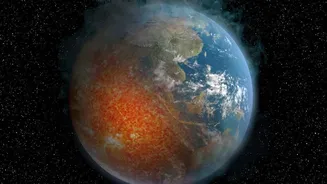
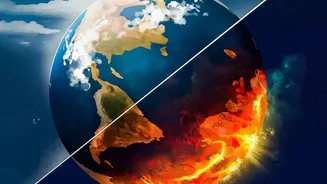
El Niño is a recurring climate pattern where the surface waters of the eastern Pacific Ocean become unusually warm. This isn't just a distant weather event; it disrupts wind and rainfall patterns worldwide. The 2026 event is considered particularly 'powerful'
or a 'Super El Niño' because of the significant rise in sea-surface temperatures, which could rival or even exceed past strong events. Scientists expect this El Niño to remain dominant until March 2027, continuing to influence global temperatures and weather extremes. The World Health Organization (WHO) has taken the threat so seriously that it activated its highest internal emergency response level to prepare for the health impacts.
The India Connection: Amplified Heat and Health Alerts
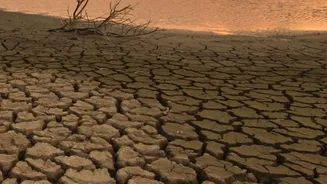
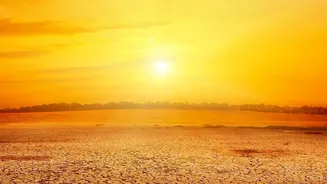
For India, a strong El Niño often means a weaker monsoon, reduced rainfall, and, most critically, more intense and prolonged heatwaves. The WHO has specifically identified India as a country facing high or very high public health risks due to the ongoing El Niño. The concern is not just higher temperatures but also increased humidity, which makes it harder for the body to cool itself through sweating, turning previously manageable heat into a deadlier threat. This combination of extreme heat and suppressed rainfall puts immense strain on water resources, agriculture, and the nation's power grid, creating a cascade of challenges.
Recognising the Warning Signs: Heat Exhaustion vs. Heatstroke
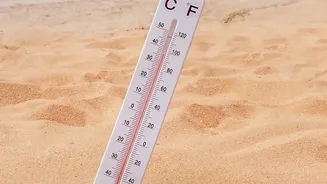
Understanding the difference between heat exhaustion and heatstroke can be life-saving. Heat exhaustion is the body's warning signal that it's overheating. Symptoms include heavy sweating, cool and clammy skin, a fast but weak pulse, nausea, dizziness, headache, and muscle cramps. If you experience these, it's crucial to move to a cool place, rest, and hydrate. Heatstroke is a medical emergency that occurs when your body's cooling system fails. The hallmark signs are a high body temperature (104°F or higher), hot and red skin that may be dry (not sweating), a rapid pulse, confusion or slurred speech, and possible loss of consciousness. If you suspect someone has heatstroke, call for an ambulance immediately.
Who Is Most Vulnerable to Extreme Heat?
While everyone is at risk during a heatwave, some groups are more vulnerable. This includes the elderly, infants and young children, and pregnant women. People with chronic health conditions, especially heart, kidney, or respiratory diseases, are also at greater risk as the heat puts extra strain on their bodies. Additionally, outdoor workers, such as farmers and construction labourers, face prolonged exposure and are highly susceptible to heat-related illnesses. Those living in urban areas can also experience an 'urban heat island' effect, where concrete and buildings trap more heat, offering little relief even at night.
Your Guide to Staying Safe and Healthy
Authorities like the National Disaster Management Authority (NDMA) and WHO provide clear guidance for staying safe. The first rule is to stay hydrated by drinking plenty of water, even if you don't feel thirsty. Avoid strenuous activity outdoors during the hottest part of the day, typically between noon and 3 pm. If you must be outside, wear light-coloured, loose-fitting clothing and cover your head. At home, keep your space cool by using curtains during the day and opening windows at night. Simple dietary choices, like eating fruits with high water content such as watermelon and cucumber, can also help. Finally, be a good neighbour and check in on vulnerable people, including the elderly who live alone.