



Beyond the Four-Walled Spa
For years, ‘wellness’ was a concept largely confined indoors. It lived in the hushed, temperature-controlled environments of spas, the bright lights of a spin studio, or the serene calm of a yoga hall. While these spaces still offer immense value, a significant
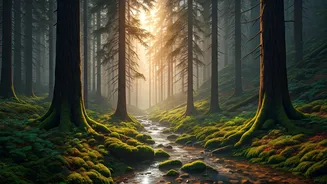
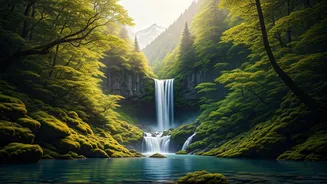
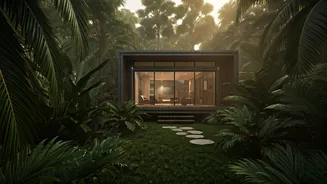
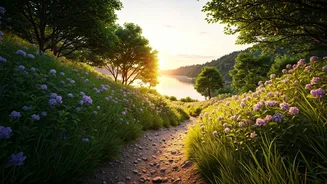
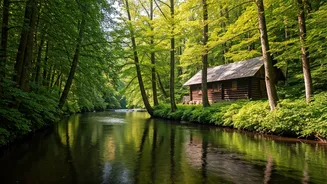
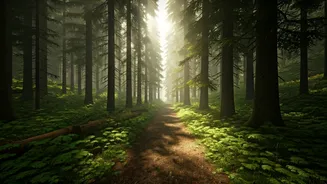
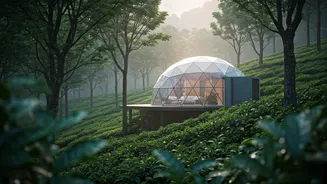
shift is underway. The new wellness frontier is expanding outdoors, trading curated playlists for birdsong and aromatherapy diffusers for the scent of pine and rain-soaked earth. A nature escape isn't just a holiday with a good view; it is an intentional immersion into the natural world for the specific purpose of restoration and healing. Think less about a packed itinerary and more about forest bathing in the Western Ghats, meditating by a Himalayan stream, or simply watching the sunset from a rustic eco-lodge in Coorg. It’s a move away from passive luxury and towards active, experiential rejuvenation.
Why Now? The Great Outdoors Calling
The surge in nature-centric wellness isn't a coincidence. It's a direct response to our increasingly digital, urbanised, and post-pandemic lives. After years of being cooped up indoors, staring at screens for work and leisure, there is a collective yearning for the real and the tangible. The pandemic, in particular, acted as a powerful catalyst. It starkly reminded us of the importance of open spaces for both physical and mental health. This craving for disconnection from technology and reconnection with ourselves has fuelled the demand for experiences that are grounding and authentic. The hospitality industry has been quick to respond, with a proliferation of eco-resorts, farm stays, and wilderness retreats that promise not just a bed for the night, but a genuine reset for the mind and body. This isn’t just about escaping the city; it's about escaping the constant ‘on’ state of modern life.
The Science of Awe and Calm
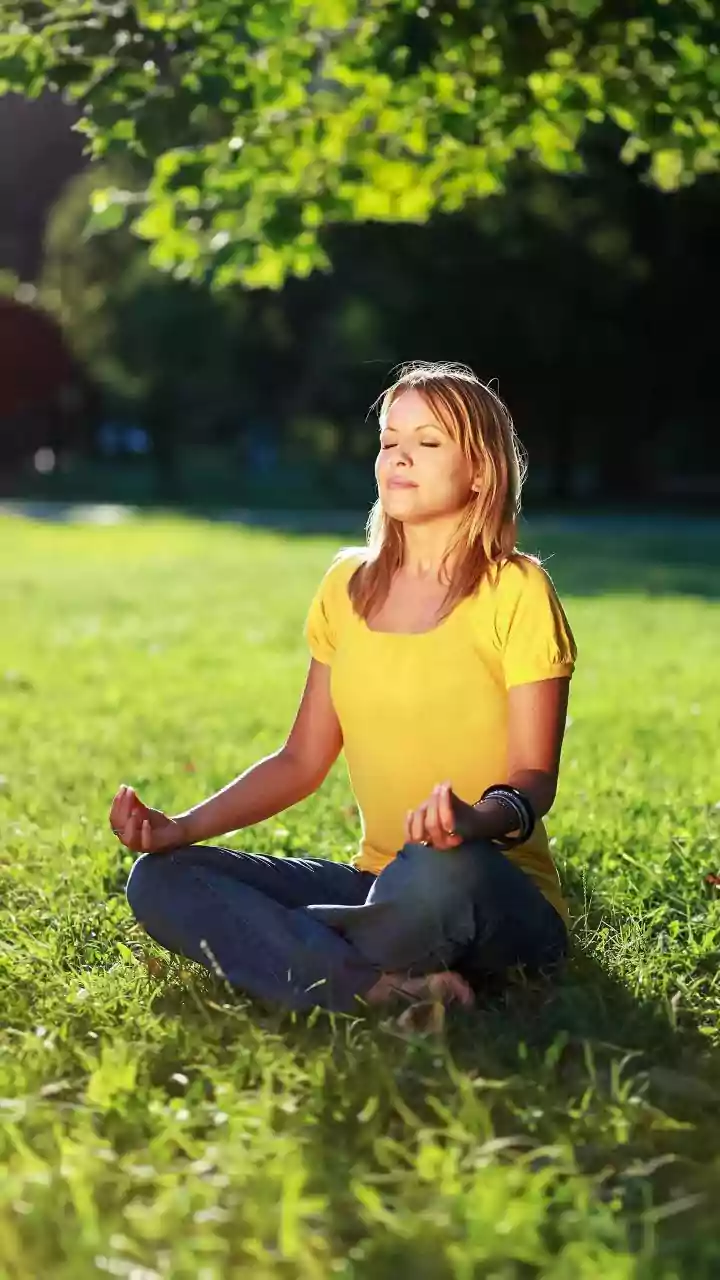
This trend is backed by a growing body of scientific evidence. The Japanese practice of ‘shinrin-yoku’ or ‘forest bathing’ has been shown to reduce cortisol (the stress hormone), lower blood pressure, and boost the immune system. Exposure to natural environments is linked to improved mood, reduced rumination, and enhanced cognitive function. The 'biophilia hypothesis' suggests that humans have an innate tendency to seek connections with nature, and fulfilling this need is crucial for our well-being. Even simple acts, like walking barefoot on grass—a practice known as 'grounding' or 'earthing'—are being studied for their potential anti-inflammatory benefits. When you’re on a nature escape, you’re not just having a nice time; you’re engaging in a form of preventative healthcare, allowing your nervous system to downshift from its chronic fight-or-flight mode.
The Green Wave in India
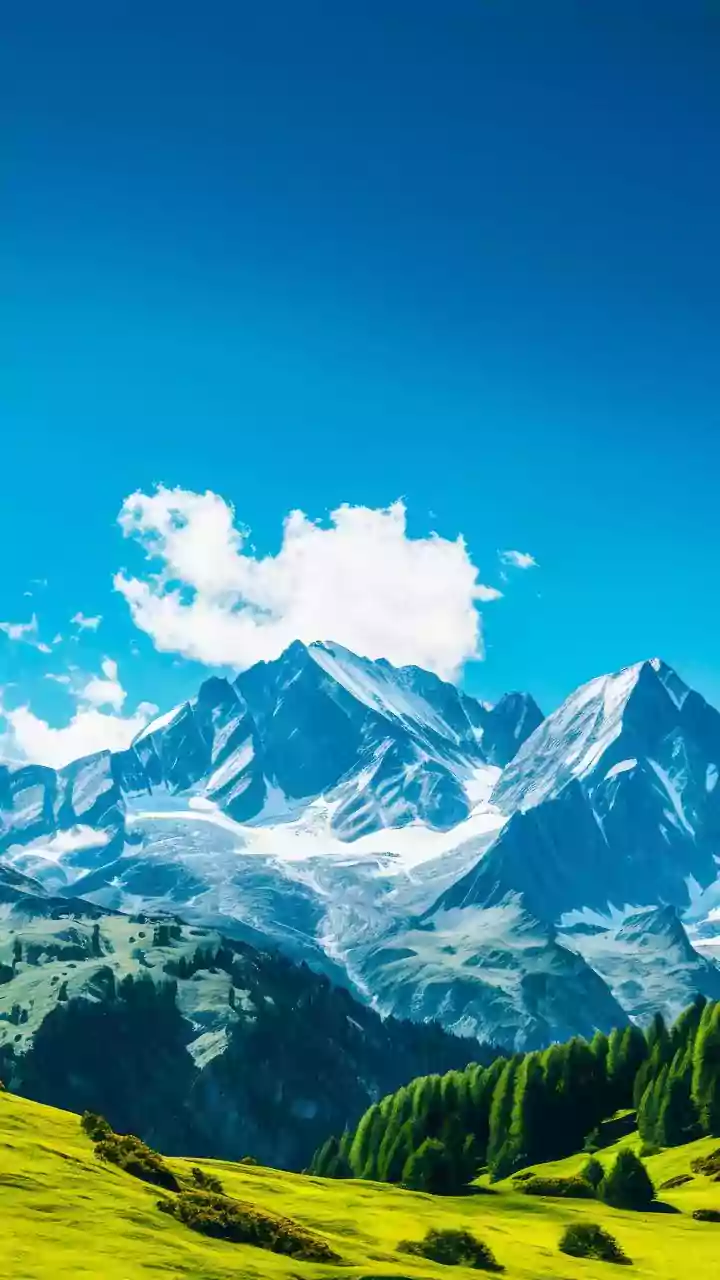
This global trend has found fertile ground in India, a country blessed with an astonishing diversity of natural landscapes. From the snow-capped peaks of Uttarakhand and Himachal Pradesh to the lush backwaters of Kerala and the dense forests of Madhya Pradesh, wellness seekers are spoiled for choice. A new breed of boutique properties is moving beyond the traditional five-star model. They offer experiences like guided nature walks with resident naturalists, organic farming workshops, yoga sessions in the open air, and menus built around locally sourced produce. These destinations are becoming magnets for a new kind of traveller: one who is conscious, seeks purpose, and understands that the greatest luxury is not opulence, but a profound sense of peace and connection to the world around them.