
A New Window on Stellar Nurseries
Imagine looking through a keyhole into a room that has been sealed for billions of years. That’s essentially what NASA's James Webb Space Telescope (JWST) is doing for astronomy. Its powerful infrared instruments can pierce through thick clouds of cosmic
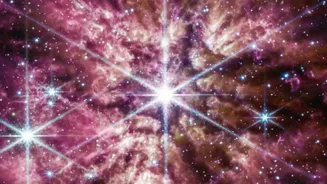
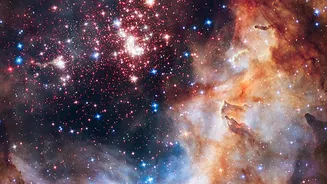
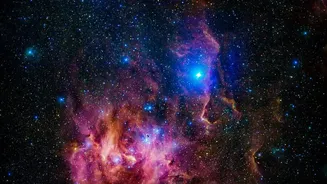
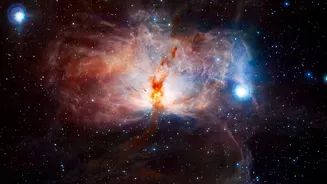
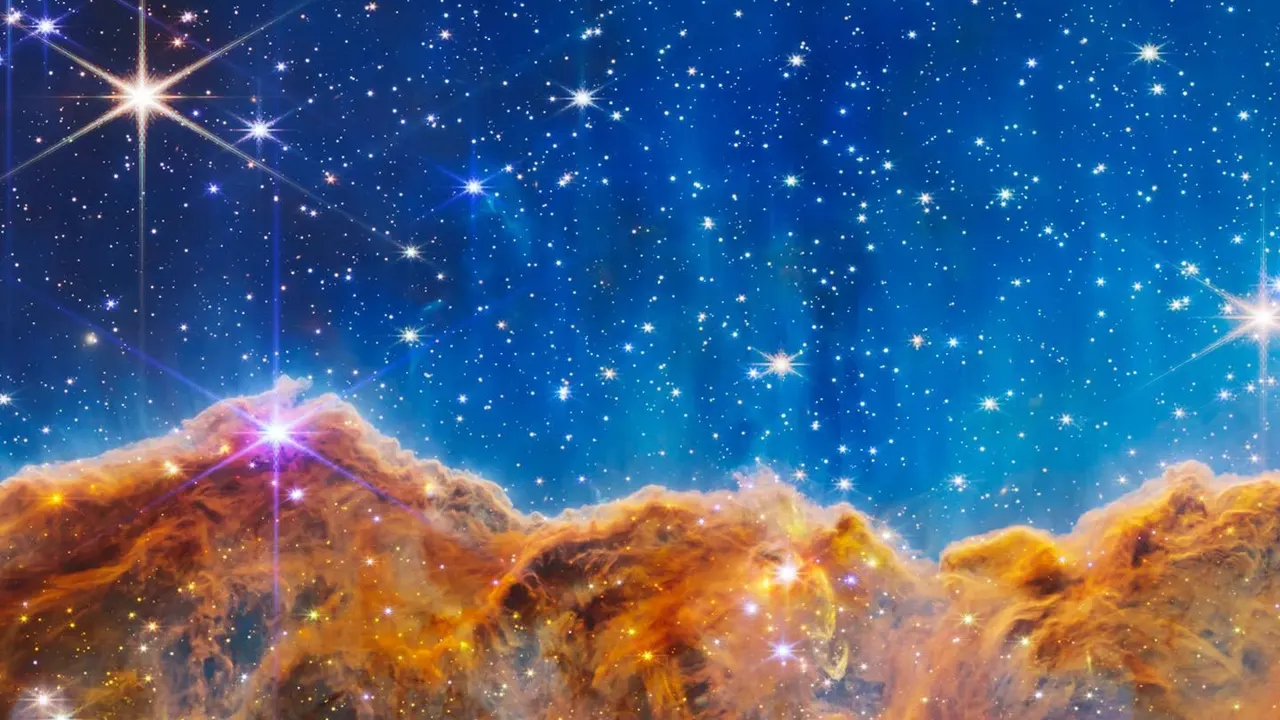
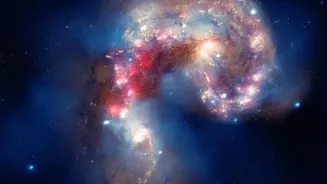
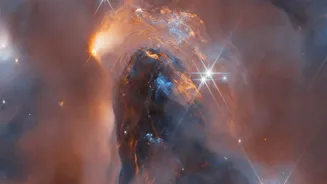
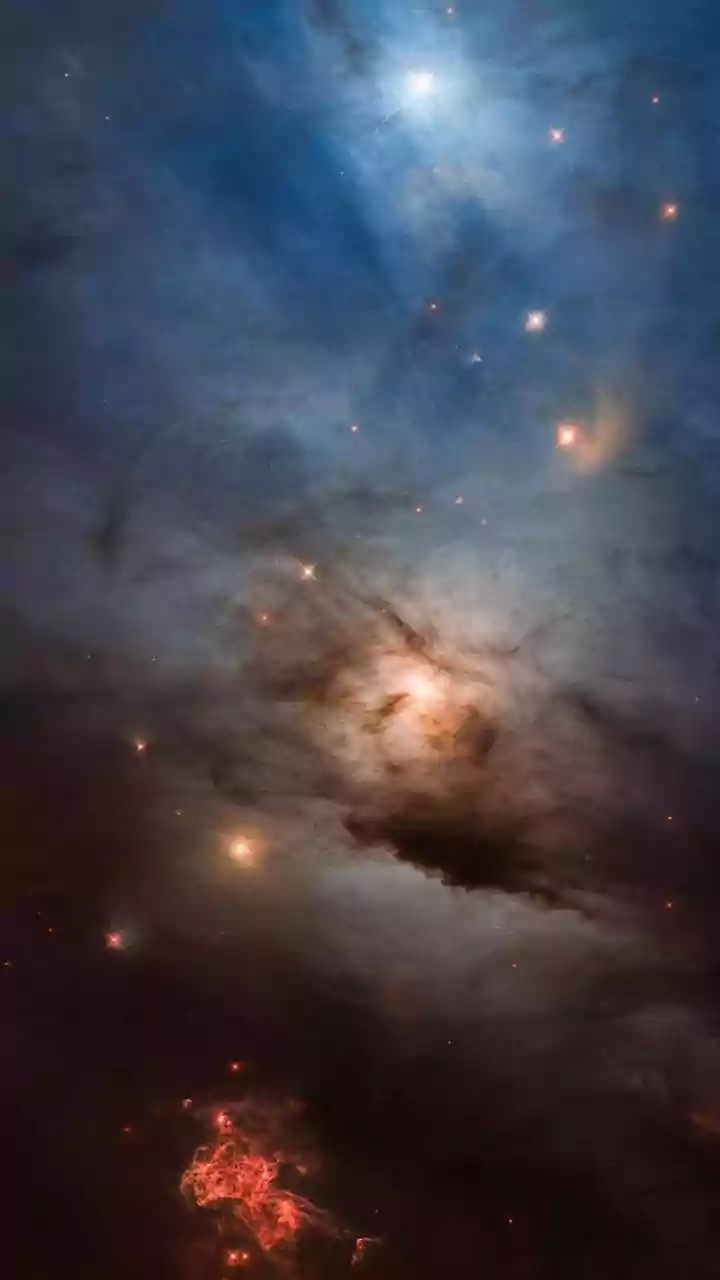
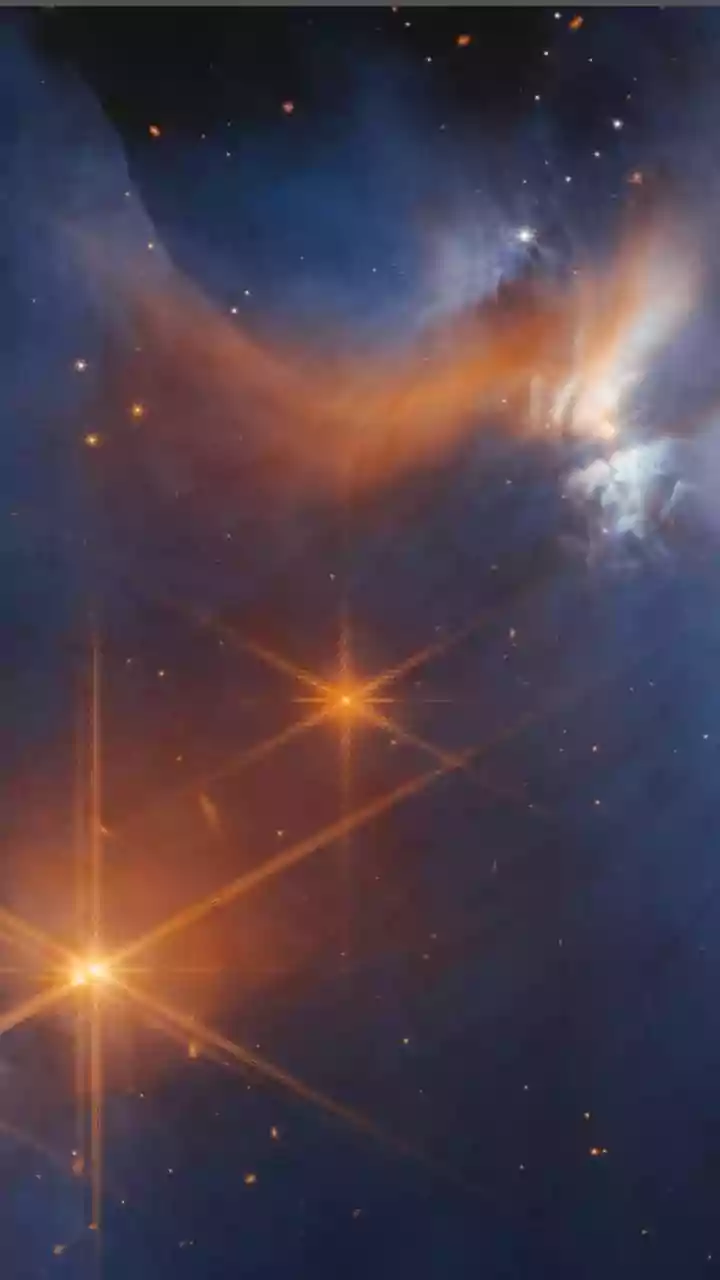
gas and dust that have long hidden the earliest stages of star formation from view. Recent observations have provided breathtakingly detailed images of these stellar nurseries, such as the FS Tau star system and regions like the Serpens Nebula. Where previous telescopes like Hubble saw only opaque clouds, Webb reveals the intricate processes within, showing fledgling stars, known as protostars, actively gathering mass and shaping their environment. These young stars, some only a few million years old, are captured in the act of becoming full-fledged suns.
The Fiery Birth of a Star
Star formation is not a gentle process. It begins when a dense pocket within a vast molecular cloud collapses under its own gravity. As this material falls inward, it forms a spinning disk around a central core—the protostar. This growing star greedily feeds on the surrounding gas and dust. However, it doesn't just consume material; it also blasts out powerful jets of energy and matter from its poles. Webb has captured these dramatic outflows with stunning clarity. These jets slam into the surrounding cloud, creating shockwaves and bubble-like cavities that are visible in the new images. This violent push-and-pull helps determine the final mass of the star and clears out the surrounding area, a crucial step in the evolution of a new solar system.
Rewriting the Cosmic Story
These new findings are more than just pretty pictures; they are reshaping our understanding of cosmic evolution. By studying these young stars, astronomers can piece together the story of how stars like our own Sun formed 4.6 billion years ago. One fascinating discovery involves the presence of specific molecules and crystals near these protostars. Webb's instruments have detected crystalline silicates—the stuff of sand and glass—forming in the hot, inner part of the dusty disk around a young star. Powerful outflows then appear to launch these crystals to the frigid outer edges of the system. This could solve a long-standing mystery of why comets in our own solar system contain crystals that could only have formed in intense heat.
From Stars to Planets
The birth of a star is inextricably linked to the birth of planets. The flat, spinning disk of gas and dust that feeds the protostar is also the raw material for planet formation, known as a protoplanetary disk. Webb's observations are giving scientists a front-row seat to this process. The telescope has found that jets and winds from the central star play a critical role in dispersing this disk over millions of years. This creates a race against time for giant planets like Jupiter, which must gather their massive gaseous atmospheres before the material is blown away. By studying how quickly these disks are cleared, especially around more massive star clusters, scientists can better understand the conditions necessary for planets—and potentially life—to emerge throughout the galaxy.