

Curating Your Tea Selection
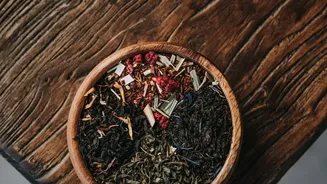
The heart of your tasting is the tea itself. Aim for a flight of three to five teas to offer variety without overwhelming the palate. For a well-rounded experience, include selections from the major tea categories. Green, black, and oolong teas all originate
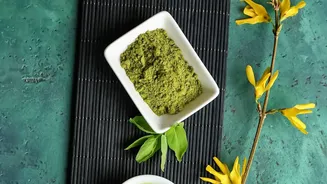
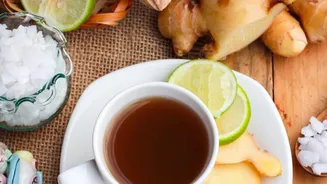
from the Camellia sinensis plant, but their distinct flavours come from different processing methods. Green tea is unoxidized, giving it a fresh, vegetal, or grassy profile. Black tea is fully oxidized, which creates deep, malty, and robust flavours. Oolong tea sits in the middle; it is partially oxidized and can range from light and floral to dark and roasted. Finally, include a caffeine-free herbal tea, also known as a tisane. These are infusions of herbs, flowers, and fruits like chamomile or peppermint, offering a different kind of sensory experience.
The Art of the Brew
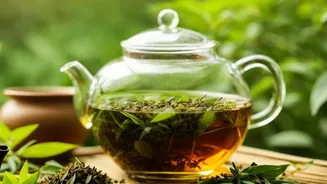
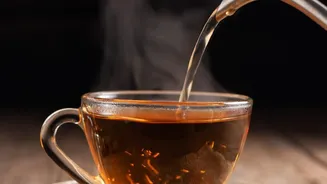
Proper brewing is crucial for bringing out the best in each tea. Different types require different water temperatures and steeping times to avoid bitterness or a weak infusion. A general rule is that the less oxidized a tea is, the cooler the water should be. Green tea is delicate and thrives in water around 75-85°C for 2-3 minutes. Oolong teas are more forgiving and can be steeped in water between 85-95°C for 3-5 minutes. Robust black teas and most herbal infusions need hotter water, close to boiling (95-100°C), for 3-5 minutes to fully extract their flavours. If you don’t have a temperature-controlled kettle, simply let boiling water sit for a few minutes to cool down for the more delicate green teas. Use fresh, filtered water whenever possible, as its quality directly impacts the final taste.
Setting the Scene
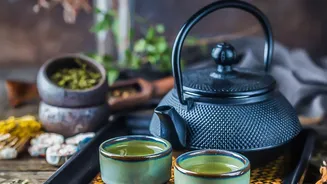
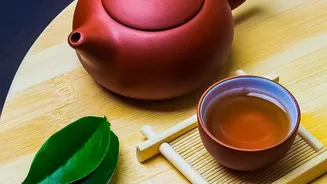
Create an inviting and organized atmosphere for your tasting. Set up a station with everything your guests will need. Provide small, light-coloured cups for each tea so everyone can appreciate the colour of the liquor. Arrange the teas in tasting order, from lightest to boldest, to prevent stronger flavours from overpowering delicate ones. This typically means starting with green tea, moving to oolong, and then to black tea, with herbal tea at the end. Have a kettle of hot water ready, along with a timer. It's also wise to provide palate cleansers, such as plain crackers and glasses of water, for guests to use between tastings.
Guiding the Tasting Experience
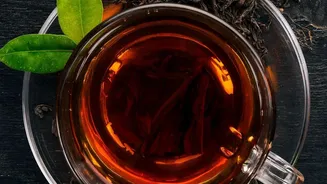
Encourage your guests to engage all their senses. Before sipping, have them observe the dry leaves, noting their shape and aroma. Once brewed, they should look at the colour of the tea and inhale its fragrance. The final step is to taste. A small slurp can aerate the tea and help reveal its full range of flavours across the palate. Provide note cards and pens so guests can jot down their impressions. You can guide them with prompts about the tea's body (is it light or full?), flavour notes (is it floral, fruity, earthy, or spicy?), and finish (what taste lingers?). There are no wrong answers; the goal is to explore and discuss what each person experiences.
Perfect Food Pairings
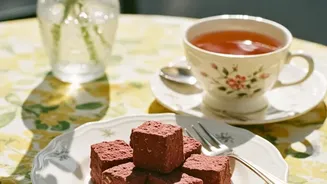
While the focus is on the tea, simple snacks can elevate the experience. The key is to choose foods that complement, rather than overpower, the drinks. Match the intensity of the food to the tea. Delicate green teas pair well with light foods like seafood, rice, or salads. Oolong teas are versatile; lighter oolongs go well with scallops or chicken, while darker, more robust oolongs can stand up to duck or smoked meats. Strong black teas are excellent with rich foods, like chocolate desserts or hearty meats. For herbal teas, consider their primary flavour; mint teas are wonderful with chocolate, while fruity tisanes pair nicely with light cakes.