







Understanding ITR Verification
Submitting your income tax return is not the end of the process; it is merely the first step. For your return to be considered legally valid by the Income Tax Department, you must verify it. This verification acts as your digital signature, confirming
that the information you have provided is accurate and authentic to the best of your knowledge. Without this crucial step, the tax department considers your return as not having been filed at all, which can lead to significant complications.
The Critical 30-Day Rule
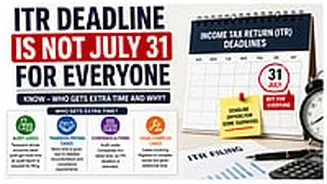
The Income Tax Department has implemented a strict 30-day window for ITR verification. This means taxpayers must verify their return within 30 days from the date they file it. It's important to note that this clock starts ticking from your actual filing date, not the general due date for filing returns (which is typically July 31 for most individuals). For instance, if you file your return on July 10, your 30-day verification period begins on that day, requiring you to complete the process by August 9. This rule was shortened from a more generous 120-day window to streamline processing and encourage faster compliance.
Filing Date vs. Due Date
The distinction between the filing date and the due date is central to understanding the verification timeline. The 'due date' is the government-mandated deadline for everyone to file their returns, such as July 31. The 'filing date' is the specific day you actually upload your return to the portal. If you verify your ITR within the 30-day window, your original filing date is locked in as the date of furnishing the return. However, if you miss the 30-day window, the date you eventually verify your return becomes your new filing date. This can turn a timely return into a belated one, triggering penalties.
Consequences of Missing the Deadline
Failing to verify your ITR within 30 days renders it 'invalid' or 'non-est' in the eyes of the law. This has several serious consequences. Firstly, your return will be treated as a late filing, attracting a penalty under Section 234F, which can be up to ₹5,000. Secondly, any tax refund you were expecting will not be processed until a valid, verified return is on record. Furthermore, you lose the ability to carry forward certain losses (like business or capital losses) to offset against future income. Essentially, all the effort of filing on time is wasted if verification is forgotten.
Your E-Verification Checklist
To ensure compliance and avoid penalties, treat verification as an immediate follow-up to filing. As soon as you submit your return, choose one of the several electronic methods available. The most common methods include using an Aadhaar-based OTP, generating an Electronic Verification Code (EVC) through your pre-validated bank or demat account, or using net banking. Once you select a method, follow the on-screen instructions to complete the process. You will receive an immediate confirmation on the portal and an email to your registered address. Always check the portal to ensure the status of your return changes to 'Successfully e-verified'.
What If You Miss the Window?
If you have missed the 30-day deadline, you should still verify your return at the earliest. As mentioned, the verification date will become the new filing date, and you will likely have to pay a late filing fee. In genuine cases of hardship, it is possible to file a 'condonation of delay' request on the e-filing portal, explaining why you were unable to verify in time. The tax department may approve this request at its discretion. However, relying on this is not advisable. The best practice is always to verify immediately after filing.