
1. The Bold, Dramatic Colour
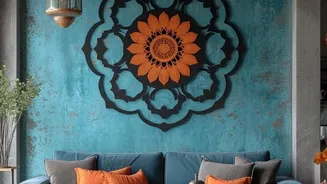
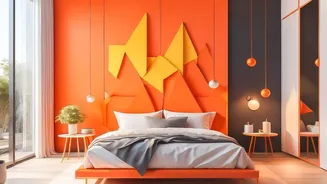
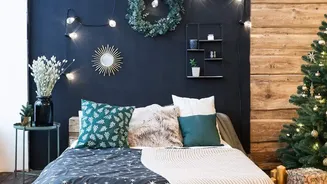
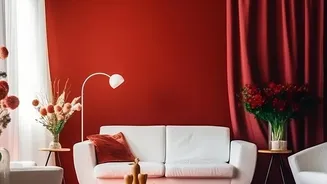
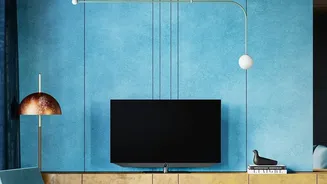
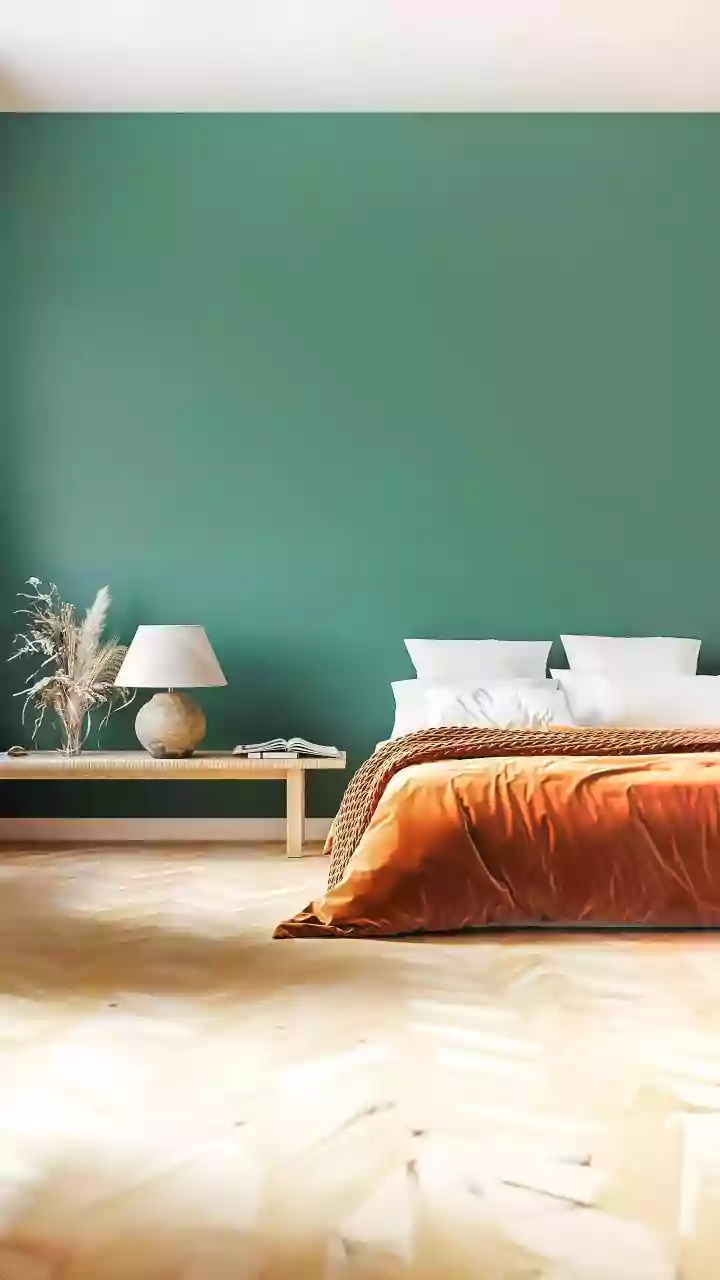
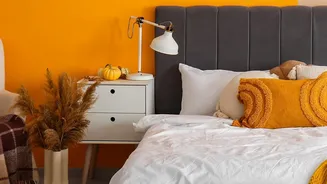
The most classic approach to an accent wall is a bold, deep paint colour. This method is popular for a reason: it's a relatively simple project that delivers significant impact. A dark shade like navy, forest green, or charcoal can add surprising depth
to a room, creating an illusion of more space by making the wall seem to recede. The key to success is choosing the right wall. The best candidate is typically a solid wall that you see upon entering the room, or the one that serves as a natural backdrop for a major piece of furniture, like the wall behind a sofa or a headboard. This anchors the room's main feature. Avoid walls with too many doors or windows, as the interruptions can make the effect feel cluttered rather than confident.
2. The Richness of Texture
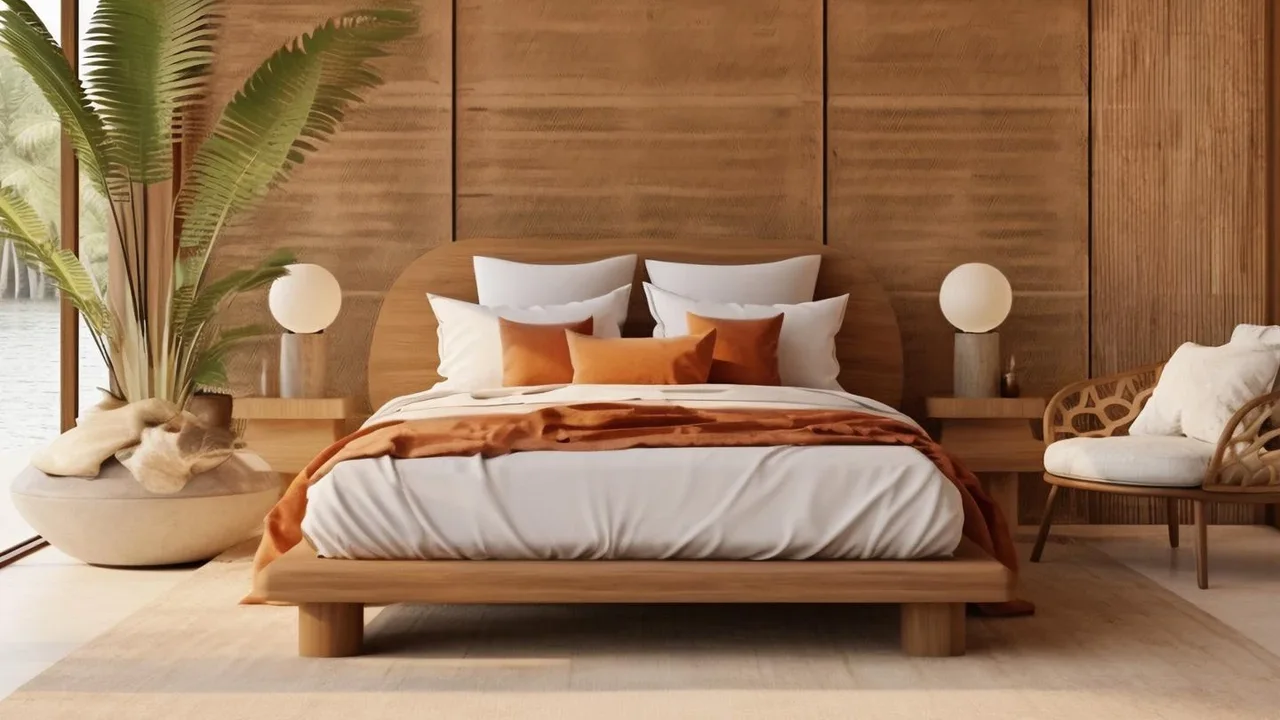
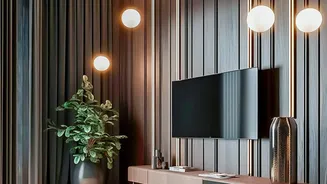
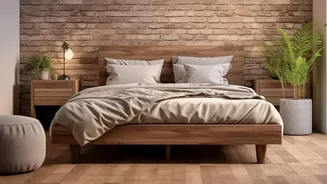
Moving beyond paint, texture is a powerful way to create a sophisticated focal point. Materials like exposed brick, wood panelling, shiplap, or stone bring a tactile dimension that paint alone cannot replicate. A wall of reclaimed wood can introduce natural warmth, perfect for a cosy living room or a rustic bedroom. Exposed brick, whether real or a high-quality panel, can lend an industrial or urban loft feel to a space. When considering texture, think about the room's function. In kitchens or bathrooms, a tiled accent wall is both beautiful and practical, as it's easy to clean. For a living room or bedroom, materials like wood or stone add a sense of permanence and architectural character. The key is to ensure the texture's tones complement the rest of the room's furnishings and colours.
3. The Power of Patterned Wallpaper
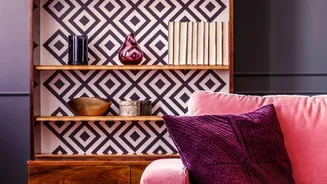
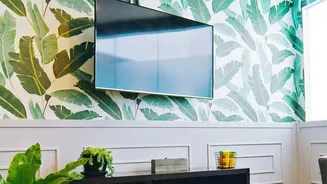
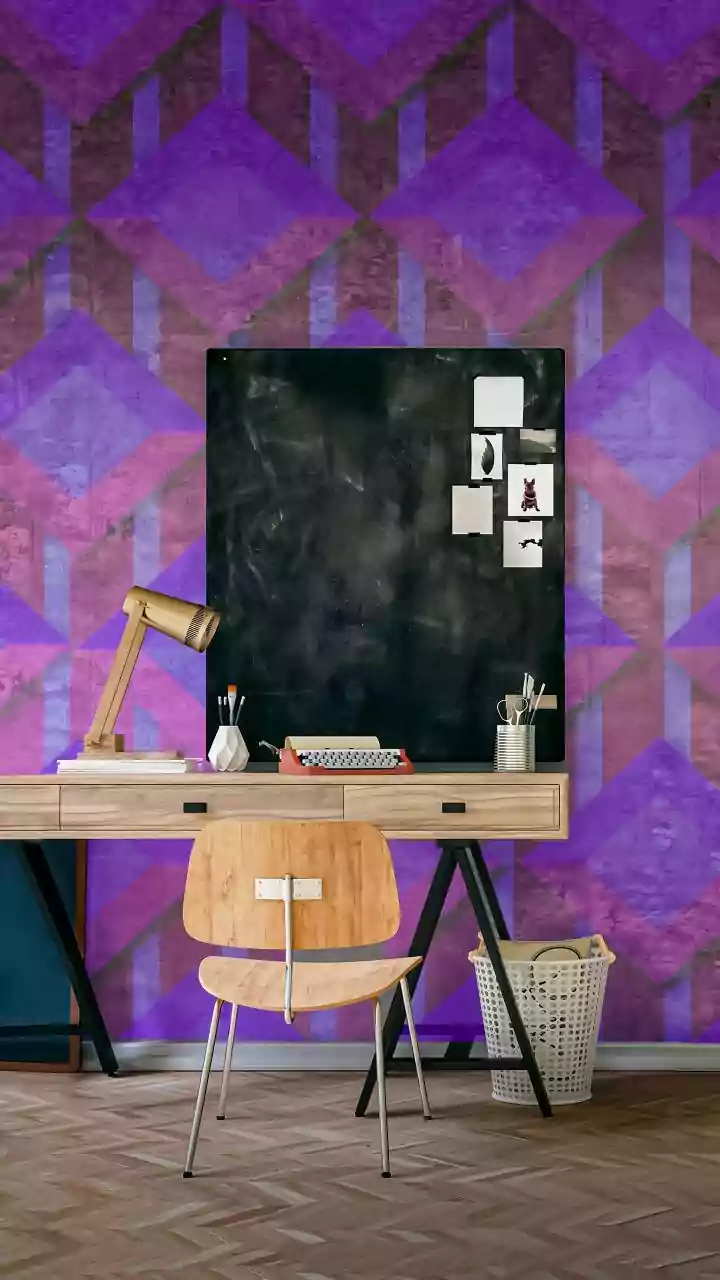
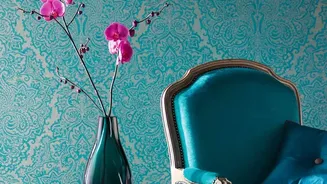
Wallpaper has made a major comeback, offering endless possibilities for creating a unique accent wall. Unlike a solid colour, a patterned wallpaper introduces rhythm, scale, and personality. You can choose from large-scale botanicals, elegant geometrics, or subtle, repeating motifs. A wallpapered accent wall works best when it reinforces the room's existing focal point, such as behind the bed or dining table. For those hesitant to commit, peel-and-stick options provide a less permanent way to experiment with bold designs. When selecting a pattern, consider the scale of the room. A large pattern can paradoxically make a small room feel bigger by reducing visual clutter, while a tiny pattern might get lost on a large wall.
4. The Statement-Making Mural
For a truly dramatic statement, a wall mural acts like a single, massive piece of art that defines the entire room. Unlike repeating wallpaper, a mural is one large, continuous image, such as a scenic landscape, an abstract design, or a floral illustration. This approach is perfect for a wall with no interruptions like windows or doors, allowing the image to be the undisputed star. The wall behind a sofa in a living room or a headboard in a bedroom are ideal locations. Because a mural commands so much attention, the rest of the room's decor should play a supporting role. Keep adjacent walls a simple, neutral colour pulled from the mural itself, and choose textiles that complement rather than compete.
5. Architectural & Functional Features
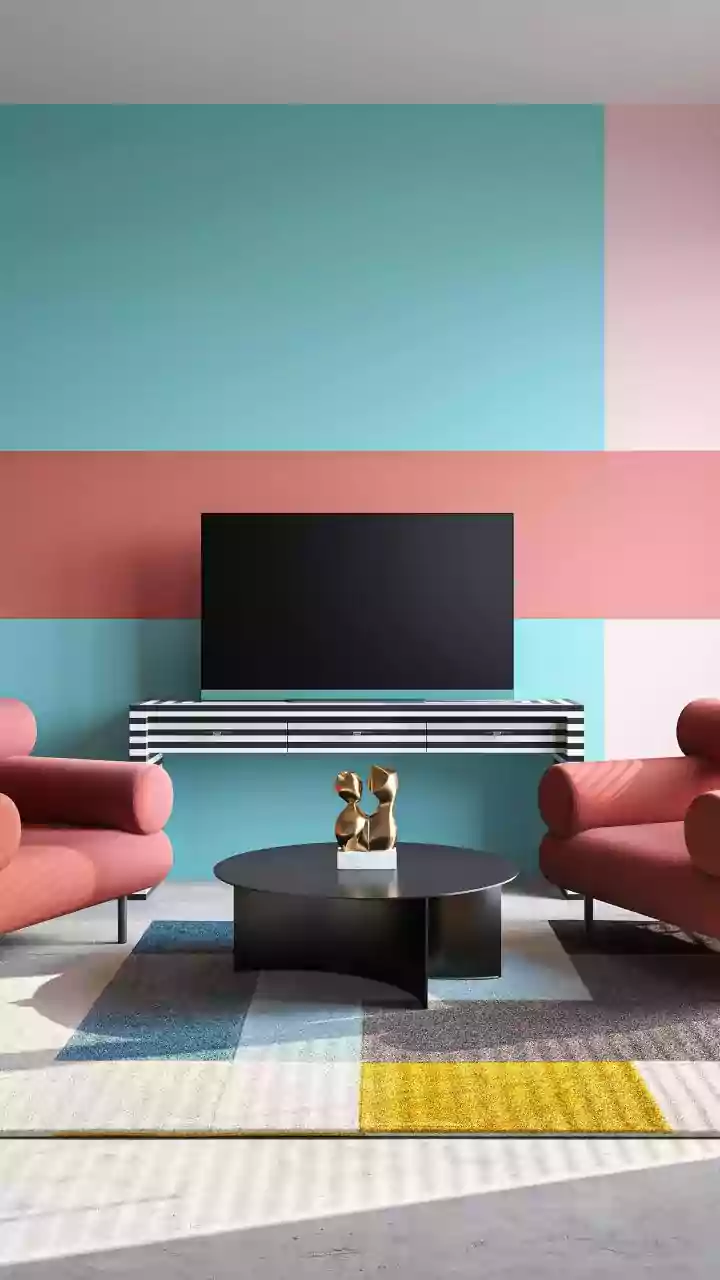
Sometimes, the best accent wall is one that highlights existing architecture or creates a functional zone. If your room has built-in bookshelves, a fireplace, or an interesting nook, painting that area a contrasting colour can turn it into an intentional design feature. This technique doesn't just add visual interest; it gives the architectural element more presence. You can also use colour to 'zone' a larger, open-plan space. For example, painting a section of a wall can define a home office corner or a reading nook, creating the feeling of a separate room without putting up any walls. This functional approach makes the accent feel purposeful and integrated into the way you use the space.