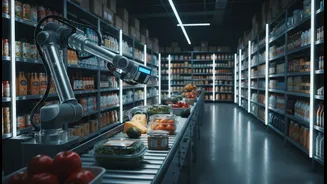

The Engine Room: Dark Stores and Speed
The magic of 10-minute delivery isn't magic at all; it's a model built on a network of 'dark stores'. These are small, hyperlocal warehouses located in dense urban areas, closed to the public and optimised for one purpose: fulfilling online orders at lightning
speed. Instead of wide aisles for browsing, they have tightly organised racks designed for pickers to quickly grab items. This model puts immense pressure on inventory management. High turnover is the goal, which can mean products are fresher than at a slow-moving supermarket. However, the emphasis on speed creates unique challenges for ensuring every item, especially perishables, is safe and of high quality.
Spoilage and Expiry: The Digital and Manual Checks
In theory, technology is the first line of defence. Sophisticated inventory management systems are designed to track every item's expiry date from the moment it enters the dark store. Products nearing their 'best before' or 'use by' dates are supposed to be automatically flagged and removed from the shelves. The Food Safety and Standards Authority of India (FSSAI) has mandated that products sold online must have a minimum shelf life of 30% or at least 45 days before expiry at the time of delivery. However, tech can fail, and manual checks by staff are crucial. Recent consumer complaints and regulatory actions highlight that this system isn't foolproof. Instances of expired protein powder, rotten eggs, and spoiled parathas being delivered show a gap between the process on paper and the reality on the ground.
The Cold Chain: A Fragile Journey
Maintaining the 'cold chain' — keeping frozen and chilled products at the correct temperature from warehouse to doorstep — is one of the biggest challenges in quick commerce. Dark stores are equipped with freezers and chillers, but the integrity of products like milk, cheese, ice cream, and meat depends on every step of the process. This includes the short but crucial last-mile delivery journey. If a delivery rider is handling multiple orders or gets delayed, there's a risk of temperature abuse, which can compromise food safety even if the item hasn't expired. Social media is rife with consumer complaints about melted ice cream and sour curd, pointing to breaks in this fragile chain.
New Rules and Tighter Scrutiny
Following a surge in consumer complaints, regulators are stepping up oversight. The FSSAI has become more stringent, issuing notices to major platforms over the sale of expired and unsafe goods. New directives mandate that all food handlers, including e-commerce staff and delivery personnel, undergo food safety training. Platforms are also now required to provide comprehensive details of their warehouses and even upload photographs of storage facilities to a regulatory portal to enhance transparency and traceability. This increased scrutiny aims to force platforms to prioritise safety over just speed, shifting the competitive landscape from who is fastest to who is most trustworthy.
Benefits and Limits: The Full Picture
Beyond the convenience, quick commerce offers real benefits. It provides critical access to essentials for the elderly or those with limited mobility and can reduce food waste by encouraging people to buy only what they need for a couple of days. However, the model has inherent limits. The high-pressure environment for workers can lead to errors. A focus on a limited inventory of fast-moving items means less choice than a traditional supermarket. And as many consumers have found, the quality of fresh produce can be a gamble, with social media full of examples of spoiled vegetables and fruits being delivered.
Your Role as the Final Quality Check
While companies and regulators work to improve systems, the consumer remains the final and most important link in the safety chain. Always inspect your groceries immediately upon delivery. Check expiry dates on packaged goods, especially dairy and baked items. Examine fresh produce for signs of spoilage, mould, or damage. Don't hesitate to use the app's customer service function to report any issues. Take photos as evidence. While a refund is a common resolution, reporting the issue provides valuable data to the platform and the regulator, helping to prevent it from happening to someone else.