



A powerful El Niño is gaining strength in the Pacific Ocean, and its ripple effects are putting India on high alert. This isn't just a distant weather event; it promises a complex and challenging season of unpredictable rainfall for the nation.
What Exactly Is El Niño?
Think of
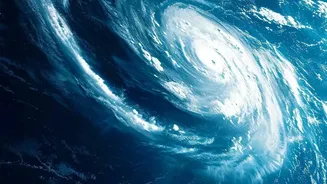
El Niño as a large-scale climate pattern that begins with unusually warm water in the central and eastern equatorial Pacific Ocean. This warming isn't just a local event; it disrupts the atmosphere above it, altering weather patterns across the globe. For India, the most well-known impact is its tendency to suppress the crucial southwest monsoon. By weakening the typical wind patterns that carry moisture to the subcontinent, a strong El Niño often leads to drier-than-average conditions and can increase the risk of drought, particularly in central and northwestern India. However, its influence is not uniform, and every El Niño event is unique in its intensity and specific impacts.
How Strong Is the 2026 El Niño?
The current El Niño, which began developing in June 2026, is not just a typical event; it is exceptionally strong and on track to be historic. Forecasters from international agencies like the US National Oceanic and Atmospheric Administration (NOAA) have noted that it is strengthening and expected to peak in late 2026. There's a significant chance—around 60%—that this could become the most powerful El Niño since modern record-keeping began in 1950. Projections show a high probability of these strong conditions persisting through the winter and into the early months of 2027. This unusual intensity is why scientists and policymakers are watching so closely, as it heightens the potential for significant weather disruptions worldwide.
A Complicated Rainfall Picture for India
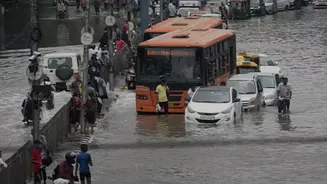
While El Niño is often simplistically linked to drought in India, the reality is far more complex. The recently concluded 2026 southwest monsoon was indeed deficient, ending 13% below the long-period average, partly due to El Niño's influence. This has left reservoir storage levels below normal, particularly in southern and western regions. Looking ahead to the winter, the forecast is a tale of two Indias. A recent outlook by the International Centre for Integrated Mountain Development (ICIMOD) suggests the 'super' El Niño could bring wetter-than-normal conditions to northern and northeastern parts of India. This includes above-normal snowfall in the western Himalayas, raising the risk of localised floods, landslides, and even avalanches.
Drought in the South, Floods in the North?
In a stark contrast, the same reports forecast that southern India is expected to be drier than normal this winter. The India Meteorological Department (IMD) has also predicted that monthly rainfall for November over South Peninsular India is likely to be below normal. This creates a paradoxical situation where one part of the country might grapple with water scarcity and drought-like conditions while another faces threats from excessive precipitation. This phenomenon of uneven rainfall—long dry spells punctuated by intense, extreme downpours—is a known feature of strong El Niño years, creating challenges for both flood management and water conservation simultaneously.
Impact on Agriculture and What Lies Ahead
These unpredictable weather patterns pose a significant threat to Indian agriculture, which employs nearly half of the nation's workforce. The weak southwest monsoon has already impacted the Kharif sowing season. The looming uncertainty over winter (Rabi) crops is now a major concern. Drier conditions in the south could constrain irrigation, while excessive moisture and potential flooding in the north could damage standing crops. Farmers are being encouraged to shift towards drought-resilient and water-efficient crops to mitigate risks. The combination of rainfall deficiency, uneven distribution, and temperature extremes requires careful planning and preparedness rather than panic. For communities across the country, staying informed with the latest advisories from official sources like the IMD will be crucial to navigate the uncertain months ahead.