




The Monsoon's Edible Bounty
The arrival of the monsoon transforms India’s landscapes, creating the perfect humid conditions for wild fungi to flourish. For centuries, indigenous communities have foraged for these seasonal delicacies, possessing generational knowledge to distinguish
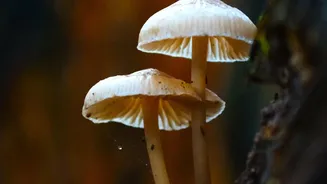
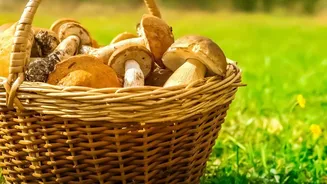
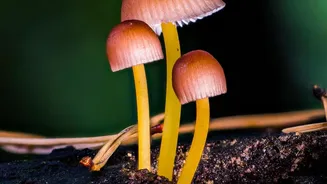
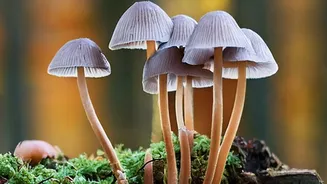
edible treasures from their toxic look-alikes. Today, this ancient practice is finding a new, wider audience. Urbanites and nature lovers are increasingly trading typical weekend plans for foraging walks, seeking a deeper connection with nature. This trend is driven by a desire for unique experiences that blend adventure, learning, and gastronomy. The star of this seasonal show is the wild mushroom, which appears for a brief window, from the famous Termitomyces, or 'Olmi', in Goa to the rare 'Gucchi' in Kashmir.
Hotspots for Fungal Forays
Across India, specific regions have become hotspots for these mycological adventures. The Western Ghats are a paradise for mushroom enthusiasts, particularly in Goa, Karnataka, and Maharashtra. Here, the much-revered 'Olmi' mushrooms grow on termite mounds and are a celebrated monsoon delicacy. In the Himalayan foothills of Uttarakhand and Himachal Pradesh, temperate forests yield a variety of edible species, including chanterelles. The lush forests of Meghalaya and other parts of Northeast India, long known for their rich biodiversity, are also prime locations for mushroom hunting. Even closer to home, guided walks are popping up in the green pockets and city forests of Delhi and Ahmedabad, making the activity more accessible than ever.
From Forest Floor to Dinner Plate
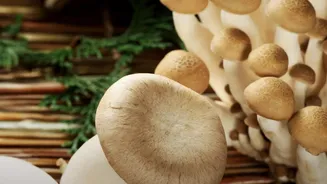
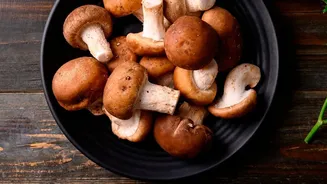
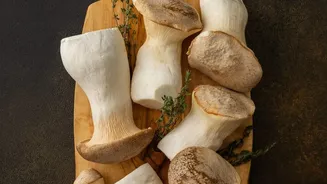
The allure of mushroom foraging extends far beyond the thrill of the hunt; it culminates in a unique culinary experience. The journey from forest to fork is a key part of the appeal. Once collected, these mushrooms become the centrepiece of hyper-local meals. In Goa, 'Olmi' is traditionally cooked into a fiery Xacuti or a coconut-based curry called Tonak. A simple rava-fry is also popular, allowing the mushroom's meaty texture to shine. In Jharkhand, the 'Rugda' mushroom is often called 'vegetarian mutton' and is cooked into a hearty curry. Many foraging tours and workshops end with a campfire cooking session, where participants learn to prepare their harvest, creating an unforgettable meal from ingredients they gathered themselves just hours earlier.
Guided by Wisdom, Not Apps
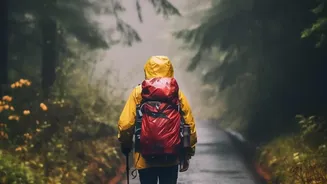
While the idea of finding your own food is romantic, it’s crucial to remember that wild mushroom foraging is not a casual DIY activity. There is no universal rule to tell an edible mushroom from a poisonous one, and many delicious varieties have dangerous look-alikes. This is where the expertise of local guides and mycologists becomes essential. A growing number of tour operators and local experts are now offering guided foraging walks. These experiences are not just about finding mushrooms but about learning to observe the forest, understand the ecosystem, and appreciate the traditional knowledge held by local communities who have been foraging for generations. Their wisdom is the most important tool you can have in the forest.
Forage with Respect
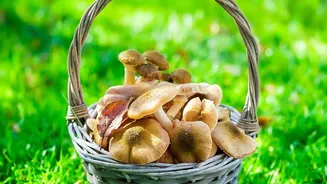
The rising popularity of mushroom foraging brings with it concerns about safety and sustainability. The first rule is absolute certainty: never eat a mushroom unless you are 100% sure of its identification by an expert. Misidentification is a common cause of poisoning. Beyond personal safety, there's the health of the forest to consider. Overharvesting is a real threat and can damage the delicate fungal networks that are vital to the ecosystem. Responsible foraging means only taking what you need, being careful not to damage the mycelium (the fungal roots) underground, and ensuring the mushroom population can regenerate. Following the lead of a knowledgeable guide ensures that the practice remains sustainable, preserving these natural wonders for future seasons.