






The Allure and the Risk
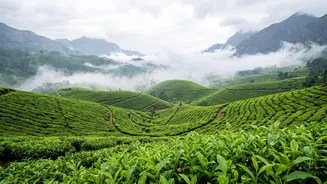
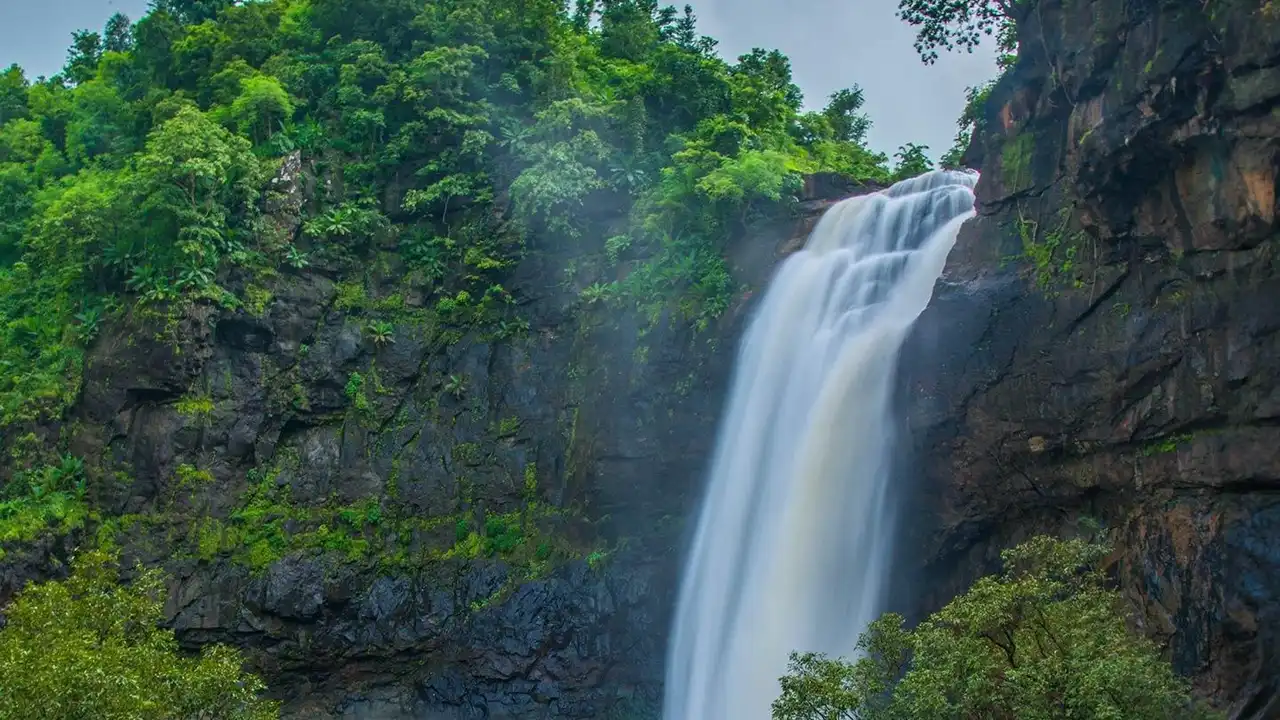
India’s hill stations transform into verdant paradises during the monsoon, attracting travellers seeking respite from the city heat. The cool air, dramatic clouds, and vibrant landscapes are a powerful draw. However, this season also carries significant
risks. Heavy rainfall can trigger landslides, flash floods, and sudden road closures, particularly in the Himalayan regions and the Western Ghats. In recent years, popular destinations like Manali, Shimla, and parts of Uttarakhand have seen recurring disruptions, with roads getting washed away and tourists getting stranded for hours or even days. Recent reports from August 2026 show that continuous rainfall has heightened landslide threats across states like Uttarakhand, Himachal Pradesh, and Jammu and Kashmir, disrupting connectivity. The danger isn't just about inconvenience; it's about safety.
Decoding 'Flexible Booking'
In this context, “flexibility” is your most valuable travel companion. It means choosing travel and accommodation options that allow you to change or cancel your plans at short notice without incurring heavy financial penalties. For flights, this often means opting for a 'flexi fare' which, for a slightly higher price, allows you to reschedule your travel dates. For hotels, it involves booking rooms with a 'free cancellation' policy, which typically lets you cancel up to 24 or 48 hours before check-in without any charge. This financial cushion becomes critical when a landslide blocks the only road to your destination or when weather warnings advise against travel. Travel platforms are increasingly highlighting these options, giving customers the confidence to book knowing they have a backup plan.
Flights: Your First Line of Defence
Air travel to airports near hill stations can be particularly susceptible to monsoon weather. Poor visibility, strong winds, and heavy rain can lead to flight delays, diversions, or outright cancellations. While an airline is obligated to offer a refund or rebooking if it cancels a flight, a flexible ticket empowers you to make proactive changes. Imagine the weather forecast for your destination worsens dramatically a day before your trip. A flexible ticket allows you to postpone your journey without losing the entire ticket cost. Booking flights earlier in the day can also be a strategic move, as delays tend to cascade and worsen as the day progresses. This small measure of control can make the difference between a minor schedule adjustment and a major travel headache.
Hotels: A Safe Haven or a Financial Trap?
A non-refundable hotel booking can feel like a gamble during the monsoon. You might find yourself in a situation where you've paid for a room you can't physically reach due to road blockages. This is where 'free cancellation' and 'pay at hotel' options are invaluable. These policies ensure that if your travel plans are forcibly changed by the weather, you are not left out of pocket. Before booking, it is crucial to carefully read the terms and conditions. Check the cancellation window—is it 24, 48, or 72 hours before check-in? Ensuring your accommodation booking is as flexible as your travel plans is a key part of smart monsoon travel.
On the Road: The Greatest Uncertainty
Road travel is the most common way to reach hill stations, and also the most vulnerable to monsoon disruptions. Ghat roads can become treacherous, with risks of slippery surfaces, 'shooting stones', and landslides. It's essential to never drive on these roads after dark during a downpour and to always have buffer days built into your itinerary. If renting a car, check if the company allows for flexible return dates in case you get delayed. When hiring a local cab, it is often safer to rely on experienced local drivers who are familiar with the terrain and risks. Always check the latest road status and weather advisories from official sources like the IMD before you start your journey.
The Added Layer: Travel Insurance
While flexible bookings are a powerful tool, they may not cover every eventuality. Travel insurance can provide an additional layer of security. A comprehensive policy may offer trip interruption or trip cancellation coverage that reimburses you for non-refundable costs if you have to cancel or cut your trip short due to severe weather. Some policies can also cover costs incurred if you are stranded, such as for extra nights of accommodation. When choosing a plan, specifically look for coverage related to weather-related disruptions to ensure you are adequately protected against the unique challenges of monsoon travel.