



Start with a Simple Water Audit
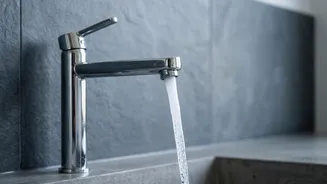
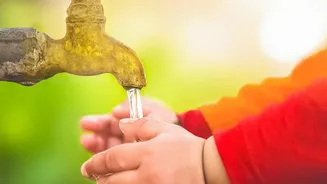
The first step to managing water is understanding how much you use. You don't need fancy tools. Start by checking your water meter before and after a period of no water use; if the reading changes, you likely have a leak. A single dripping tap can waste
thousands of litres a year. Regularly inspect faucets, toilet cisterns, and under-sink pipes for slow drips. Beyond leaks, take note of daily habits: how long are your showers? Do you leave the tap running while brushing or washing dishes? Identifying these high-consumption areas is key to making targeted changes.
Upgrade to Water-Efficient Fixtures
Modern technology offers simple ways to drastically cut water use without sacrificing comfort. Installing aerators on your taps can reduce flow by more than half. Low-flow showerheads achieve a similar result, saving a significant amount of water with every shower. Another impactful upgrade is a dual-flush toilet, which uses significantly less water for liquid waste. These fixtures are widely available and provide some of the quickest returns on investment, immediately lowering your household's daily water consumption by 30-50%.
Embrace Rainwater Harvesting
During monsoons, countless litres of water wash off rooftops and into drains. A rainwater harvesting system captures this resource for non-potable uses like gardening, cleaning, or flushing toilets. A basic setup involves gutters that channel water from the roof, a filter to remove debris, and a storage tank. Even a 100-square-metre roof can collect tens of thousands of litres annually. The cost for a home system can range from ₹15,000 to ₹80,000, depending on the scale. In many Indian states, installing such systems is now mandatory for new buildings, highlighting their importance in urban water strategy.
Recycle Your Greywater
Much of the water used in a home is 'greywater'—the relatively clean wastewater from showers, washing machines, and bathroom sinks. This water, which doesn't contain toilet waste, can be collected, treated, and reused. Simple, compact home greywater recycling systems are now available in India. These systems filter and treat the water, making it safe for toilet flushing, mopping floors, or watering your garden. By reusing this water, a single household can significantly reduce its reliance on fresh municipal supply, saving thousands of litres each year.
Reuse Every Last Drop, Especially RO Waste
Mindful habits in the kitchen and laundry room can lead to substantial savings. For instance, run washing machines and dishwashers only with full loads. Wash vegetables in a bowl of water instead of under a running tap. A major source of reusable water in many Indian homes is the wastewater from Reverse Osmosis (RO) purifiers. For every litre of purified water, an RO system can reject two to three litres. This 'waste' water is perfectly usable for mopping floors, cleaning vehicles, and watering plants. Simply collect it in a bucket and put it to good use.
Create a Water-Wise Garden
Gardens can be significant consumers of water, but a few smart choices can change that. Opt for native, drought-tolerant plant species that are naturally adapted to the local climate and require less water. Water your plants early in the morning or late in the evening to minimise evaporation. Instead of using a hose, consider a drip irrigation system that delivers water directly to the roots, reducing waste. Applying a layer of organic mulch around your plants also helps the soil retain moisture for longer.