


From Niche Health Food to Viral Sensation
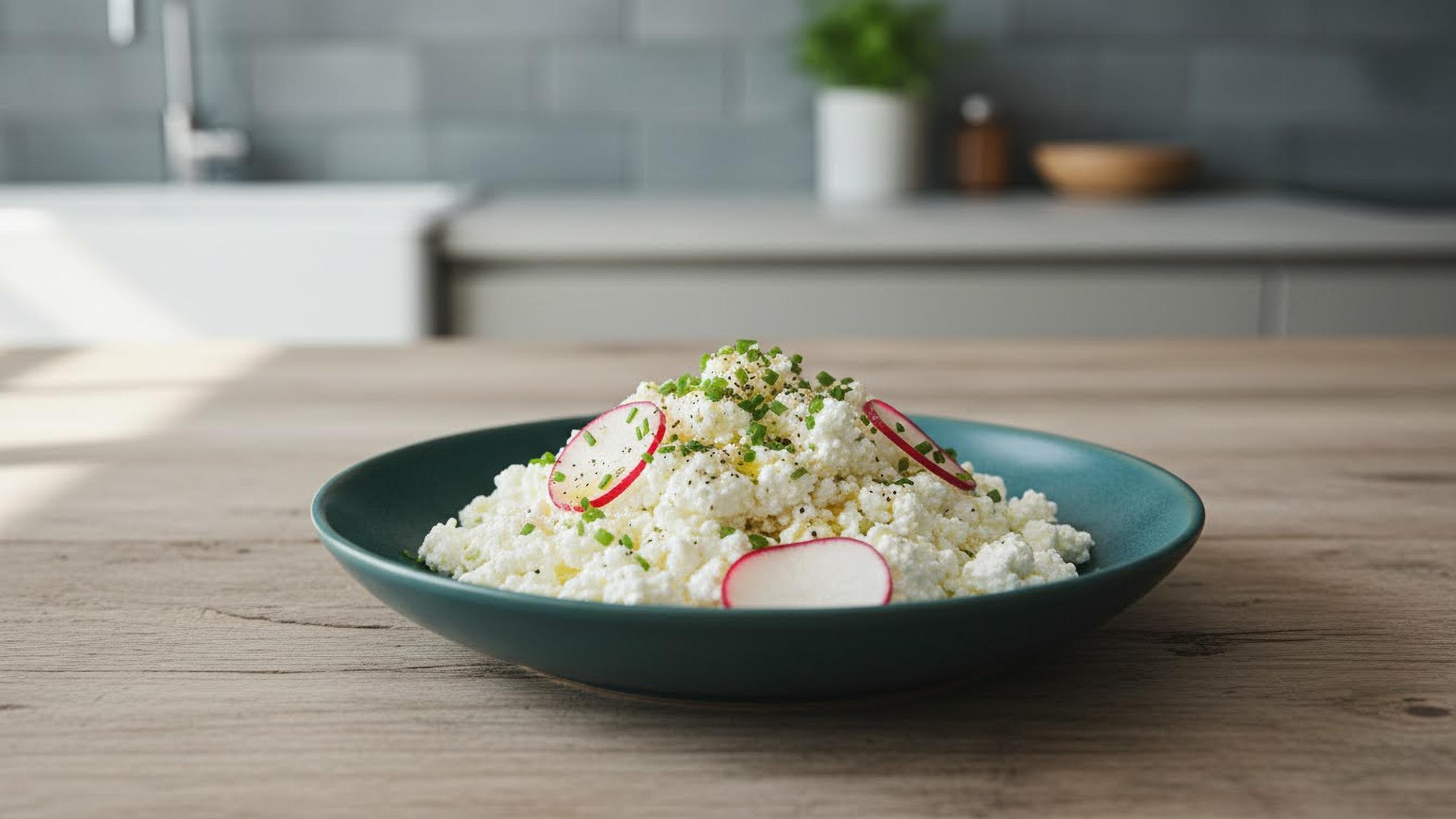
Not long ago, ingredients like Greek yogurt, cottage cheese, and protein powder were confined to breakfast bowls and post-gym shakes. Today, they are the star ingredients in desserts going viral on platforms like TikTok and Instagram. Recipes for protein-packed
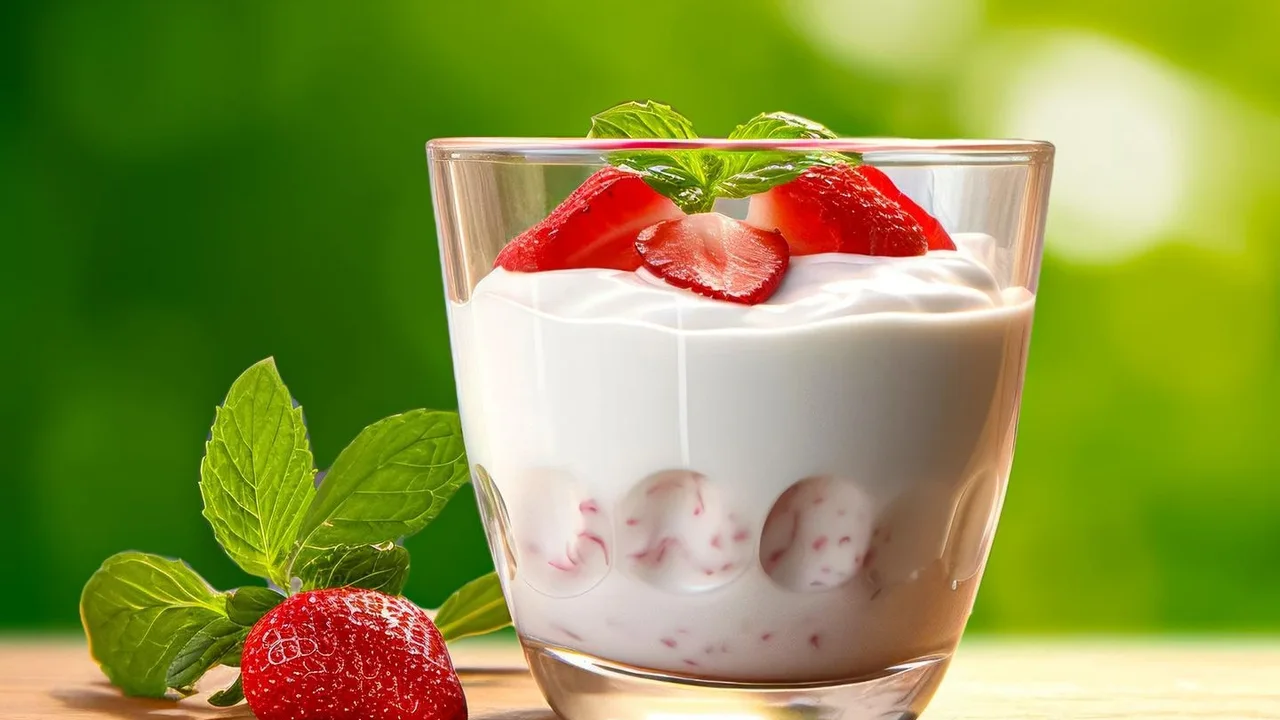
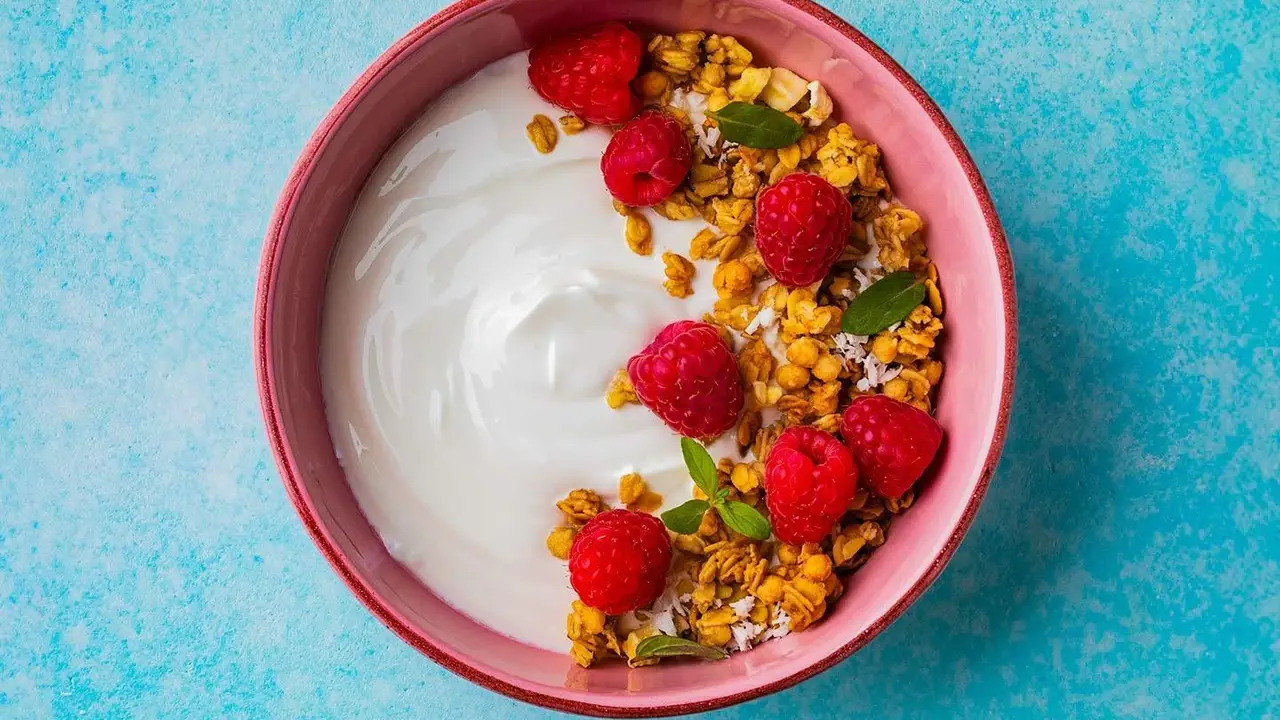
brownies, puddings, and ice creams have exploded in popularity, driven by their simplicity and visual appeal. The viral cottage cheese ice cream, for instance, often requires just a few ingredients and a blender to create a treat boasting over 20 grams of protein per serving. This social media boom has taken high-protein desserts from a niche corner of the fitness world and placed them squarely in the mainstream, appealing to anyone looking for a smarter way to satisfy a sweet craving.
The Allure of 'Productive' Indulgence
So, what’s behind the massive appeal? A key factor is the powerful role of protein itself. It is essential for building and repairing tissues, supporting muscle maintenance, and producing hormones. Crucially for a dessert, protein promotes satiety, helping you feel fuller for longer compared to traditional sweets that are high in sugar and carbohydrates. This can help temper the blood sugar spikes that often follow a sugary treat, preventing the dreaded crash and subsequent cravings. For many, this reframes dessert from an empty-calorie indulgence into a productive, beneficial snack that aligns with health and fitness goals, whether that’s muscle growth, weight management, or simply avoiding a sugar rush.
A Treat Without the Guilt?
Beyond the physical benefits, the psychological component is a powerful driver of this trend. High-protein desserts operate under a "health halo," allowing people to indulge without feeling like they've derailed their wellness efforts. A brownie is still a brownie, but one with added protein feels like a more responsible choice. This guilt-free positioning is a major draw, satisfying the universal desire for a sweet treat while catering to a growing, health-conscious mindset. Instead of being a dietary deviation, a protein dessert can be seen as part of the plan. This mental framing makes it easier to enjoy dessert regularly, which explains why recipes and ready-made products, from protein ice cream pints to refrigerated Greek yogurt bars, are flying off the shelves.
What the Experts Say
But does adding a scoop of protein powder automatically make a dessert healthy? Nutrition experts advise a more nuanced view. While a protein-fortified dessert is often a better option than its traditional counterpart—offering more nutrients and greater satiety—it’s not a free pass. The overall nutritional profile matters. Many recipes and products can still be high in added sugars, sweeteners, or saturated fats, which can quickly negate the benefits. The key is to look beyond the headline protein claim. Homemade versions using whole foods like cottage cheese, Greek yogurt, and fruit give you more control over the ingredients. While baking with protein powder doesn't destroy its nutritional value, the type of powder used can affect texture and taste. Ultimately, dietitians agree that these desserts can fit into a balanced diet, but mindfulness remains essential.