


Go Straight to the Source: Your Airline
Before you even think about booking a cab, your first port of call should be your airline's official website or mobile app. Airlines are quick to post travel advisories when significant weather is expected to impact their operations. Look for alerts on their homepage
regarding weather waivers for your departure or arrival city. These advisories are crucial as they will detail if the airline is offering to rebook flights without a change fee or even cancel for a credit. This is the most direct and reliable source of information about your specific flight and the policies that will apply if things go wrong.
Understand What Rain Actually Does to a Flight
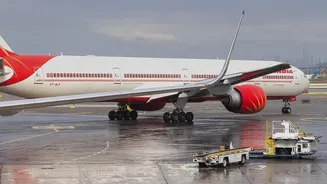
Modern aircraft are engineered to fly safely in rain. The primary concern isn't the rain itself, but the conditions that often accompany it. The two biggest factors are visibility and associated weather phenomena. While pilots are trained to use advanced instruments for navigation, there are minimum visibility requirements for takeoff and landing. If heavy rain reduces visibility on the runway below these safety minimums, the flight will be held. Furthermore, ground operations can be significantly slowed. Baggage handling, refuelling, and catering all take longer in a downpour to ensure the safety of ground staff, which can cause a cascade of delays even if the weather is technically flyable.
The Key Difference: Rain vs. Thunderstorms
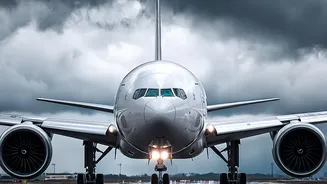
It's important to distinguish between a simple rain shower and a thunderstorm. While a plane can handle a lot of water, thunderstorms are a completely different challenge. They contain severe turbulence, lightning, hail, and powerful updrafts and downdrafts that pilots are trained to avoid at all costs. Aviation regulations require pilots to maintain a significant distance from thunderstorm cells, often around 20 nautical miles. So, if your weather app shows lightning or a thunderstorm warning for the airport area, the probability of a delay or diversion increases dramatically, as air traffic control will halt operations or reroute planes until the storm cell passes. Rain is a nuisance; a thunderstorm is a no-go.
Check the Airport, Not Just the Airline
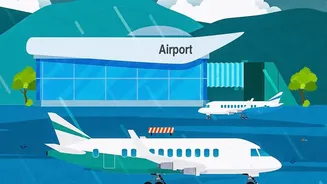
Your flight might be listed as 'On Time', but that status can be misleading if the airport itself is struggling. Check the official social media feeds or websites of your departure and arrival airports. They often provide real-time updates on runway operations, overall traffic congestion, and any airport-wide holds issued by Air Traffic Control. If an airport is waterlogged or has closed a runway, it reduces the overall capacity for takeoffs and landings, creating a bottleneck that will affect all airlines. Knowing the airport's operational status gives you a more complete picture of potential delays.
Know Your Rights Under DGCA Rules
When your flight is delayed or cancelled due to weather, it's considered a 'force majeure' event, which means it's beyond the airline's control. Because of this, airlines are not required to pay monetary compensation. However, they still have a duty of care to their passengers. According to DGCA regulations, if a flight is cancelled, you are entitled to a choice between a full refund or an alternative flight. For significant delays, airlines must provide assistance. This generally includes free meals and refreshments for delays of two hours or more. For very long or overnight delays, this extends to providing hotel accommodation and transport, even if the cause is bad weather. Knowing these rights can help you navigate a stressful situation at the airport with more confidence.