









Farewell to the Fried Favourites
The Maharashtra state cabinet has rolled out a new policy aimed at making its meetings and office canteens healthier. The directive, issued via a Government Resolution, means that staples like batata vadas, samosas, pakodas, cutlets, and biscuits will
be significantly reduced. These popular, often oily and highly processed snacks, long associated with official gatherings, are making way for a new, more nutritious lineup. The move applies to all government and semi-government offices, canteens, meetings, and training programs across the state. Even at the cabinet meeting where the decision was made, the new healthy items were reportedly served, signalling an immediate commitment to the policy.
What’s On the New Government Menu?
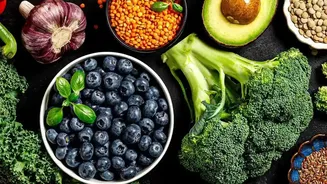
The new menu is designed to be balanced and prioritises local and traditional foods. Instead of fried items, employees can expect options like seasonal fruits, boiled eggs, and sprouted pulses for short meetings. For beverages, the guidelines suggest coconut water, buttermilk, solkadhi, unsweetened green tea, and lemon water with jaggery instead of sugar. Longer, full-day programs will feature meals with jowar, bajra, or ragi bhakris, brown rice, dal, and leafy vegetables cooked in limited oil. The new offerings include familiar comfort foods like poha, idli-sambar, and millet khichdi, ensuring the shift is towards healthier, not unfamiliar, food. The guidelines are based on recommendations from the ICMR-National Institute of Nutrition and FSSAI.
The ‘Why’ Behind the Switch
This isn't just about food; it's a policy rooted in public health. Officials have cited a significant rise in lifestyle-related diseases such as diabetes, high blood pressure, and heart conditions as a primary motivator for the change. The government aims to lead by example, making a nutritious diet a part of the daily lives of its employees. The hope is that by changing habits within the government machinery, it could inspire a wider cultural shift in society towards healthier eating. This initiative follows a similar move by the state to ban the sale of junk food in and around school premises, indicating a broader public health strategy.
More Than a Health Move
Beyond the clear health benefits, the menu shift carries symbolic weight. By promoting millets like jowar, bajra, and ragi, along with traditional preparations like usal and solkadhi, the policy also champions local Maharashtrian agriculture and cuisine. It’s a nod to regional identity and sustainable food practices. Furthermore, there's an element of fiscal prudence; officials have noted that healthier, locally sourced options can be more cost-effective than catered, processed snacks. The initiative also requires that new catering contracts for government offices must include provisions for these healthy menus, ensuring the policy's long-term implementation.
The Ripple Effect of a Samosa
The decision has sparked a conversation about the role of food in the workplace and its impact on productivity and well-being. While some may miss the familiar crunch of a batata vada, the link between diet and cognitive function is well-established. Sugary and heavily processed foods can lead to energy crashes and reduced focus, while nutrient-rich meals support sustained energy and concentration. The government has also mandated awareness programs for employees on healthy lifestyles to accompany the menu changes. This small change in a government canteen could be a bellwether for a larger movement, prompting private companies to re-evaluate their own office pantries and a greater focus on employee wellness across India.