





The Balcony Gardener's Dilemma
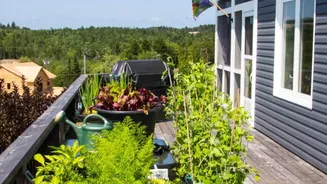
Balcony gardening is a joy, but it comes with unique challenges. Unlike plants in the ground, container plants exist in a closed system. They rely entirely on you for water, and their roots have nowhere to escape if the soil becomes waterlogged. Overwatering
is one of the most common ways well-intentioned gardeners harm their plants. When soil is saturated, roots are deprived of oxygen and can begin to rot. This leads to yellowing leaves, wilting, and an overall unhappy plant—ironically, symptoms that can be mistaken for needing more water. The confined space of a pot or planter box makes this a delicate balancing act, especially in urban environments where weather exposure can be unpredictable.
Enter the Living Sensor
The headline hints at a fascinating new frontier in gardening: microbial soil probes. The concept is rooted in the fact that soil is not just dirt; it's a living ecosystem teeming with bacteria and fungi. Researchers are developing groundbreaking devices called microbial fuel cells (MFCs) that harness the natural activity of these microbes. As bacteria in the soil break down organic matter, they release electrons as a byproduct. MFCs are designed to capture these electrons, generating a small but continuous electrical current. This tiny amount of power is enough to run low-energy sensors, creating a self-powered monitoring system that essentially runs on dirt. It’s a vision of a truly smart and sustainable garden that powers its own check-ups.
The Science of Self-Powered Soil
So how does a dirt-powered battery translate to watering your plants? The electricity generated by microbial fuel cells can be used to operate a variety of sensors, including those that measure soil moisture. This technology is primarily being explored for large-scale precision agriculture, where fields of self-powered sensors could provide farmers with real-time data without the need for batteries, which can be toxic to the environment. These systems have been proven to work reliably in both very dry and flooded conditions, making them incredibly resilient. While a commercially available microbial fuel cell for your home balcony garden isn't on the shelves just yet, the science represents a major step toward more intuitive and eco-friendly plant care.
Smart Solutions You Can Use Today
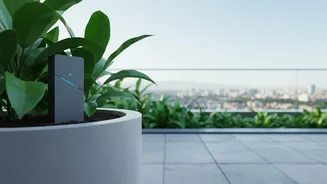
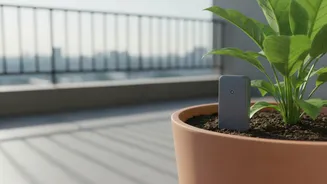
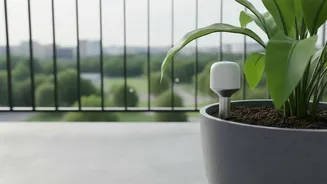
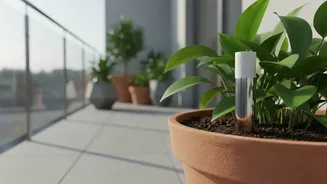
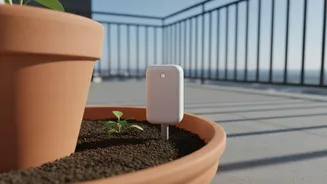
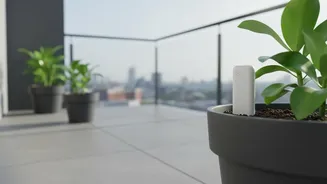
While we wait for dirt-powered sensors to become commonplace, the problem of overwatering still needs a solution. Thankfully, there is a wide array of smart soil moisture sensors available for home gardeners right now. These devices, typically slender probes you insert into the soil, use technologies like capacitance to measure the volumetric water content directly. They take the guesswork out of watering by providing a clear reading of the moisture level deep in the root zone. Many of these modern sensors connect via Bluetooth or Wi-Fi to an app on your phone, sending you alerts when it's time to water—or more importantly, when it's time to hold off. This data-driven approach is a game-changer for container gardening, ensuring your plants get the perfect amount of hydration.
Understanding Your Soil's Health
Beyond just moisture, another facet of the microbial world is already accessible to home gardeners. Tools now exist to measure the microbial biomass—the total amount of living fungi and bacteria—in your soil. A healthy microbial population is a leading indicator of overall soil health, as these organisms are responsible for making nutrients available to plants, improving water retention, and building good soil structure. Using a home testing kit, you can get a sense of how 'alive' your soil is and track whether your gardening practices, like adding compost or other amendments, are successfully improving the ecosystem in your pots. This focus on nurturing the life in your soil is another way to shift from guessing to knowing.