

Malta's Climate: Sun, Sea, and Wind
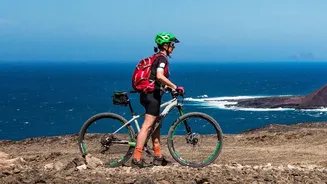
Malta has a classic Mediterranean climate with over 300 days of sunshine a year, making it a tempting cycling destination year-round. However, this idyllic weather comes with caveats for cyclists. The summer months, from June to September, bring intense
heat and high UV levels, with temperatures often soaring above 30°C. Most experts advise against cycling during the midday heat in summer, recommending early morning rides instead. Spring and autumn are widely considered the best seasons, offering comfortable temperatures between 15°C and 24°C. Beyond the sun, wind is a significant factor, especially on coastal routes. The dry 'Xlokk' from the Sahara can bring oppressive heat, while the northeasterly 'Gregale' can be fierce, particularly in winter. A seemingly pleasant day can feature strong headwinds, turning a flat stretch into a serious workout.
The Terrain: An Island of Hills
Many visitors are surprised to learn that Malta is not flat. While it has no true mountains, the landscape is characterized by constant rolling hills and steep inclines. Even short routes can involve significant elevation gain, making a good level of fitness or an e-bike highly recommended. The highest point on the island is at the Dingli Cliffs, around 250 metres above sea level. Road conditions can also be mixed. While some main roads are smooth, many rural and village roads feature potholes or rough surfaces. Furthermore, traffic can be heavy, especially in central areas, and cycle lanes are not always continuous. For this reason, many experienced cyclists recommend sticking to quieter country roads in the north, west, and south, or exploring the sister island of Gozo.
The Rugged West Coast: Dingli to Golden Bay
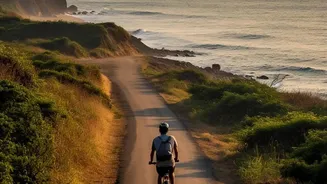
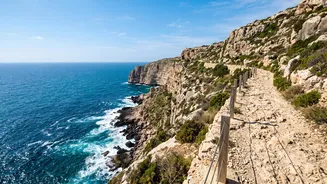
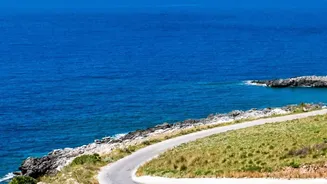
For a route that showcases Malta's dramatic scenery and challenging terrain, the ride from the Dingli Cliffs area toward Golden Bay is a classic. Starting at the island's highest point offers immediate, breathtaking views over the Mediterranean Sea. The route, often around 20-30 km, takes you along winding country roads, past historical sites and through the quiet village of Mġarr. This is not an easy ride; it involves several steep hills, but the payoff comes in the form of stunning coastal vistas and a rewarding descent towards the popular sandy beach at Golden Bay. Due to the inclines, this route is often graded as moderate to challenging, and it highlights how even a relatively short distance in Malta can be a proper workout.
The Scenic South: Marsaxlokk and the Coast
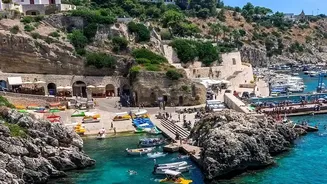
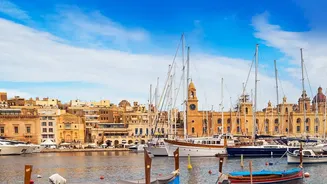
The southeastern part of Malta offers fantastic coastal cycling, centered around the picturesque fishing village of Marsaxlokk. A popular route connects the historic Three Cities with Marsaxlokk, winding through Kalkara and along the edge of Marsaxlokk Bay. This area combines historical fortifications with vibrant local culture, as the bay is filled with colourful traditional 'luzzu' boats. The terrain here is a mix of relatively flat coastal roads and some challenging hills as you move inland or towards cliffside swimming spots like St. Peter's Pool. This region can be less tourist-heavy than others, offering a glimpse into a more traditional side of Maltese life. The full loop from the Three Cities can be around 33 km with significant climbing.
Gozo: A Quieter Cycling Paradise
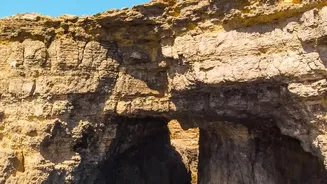
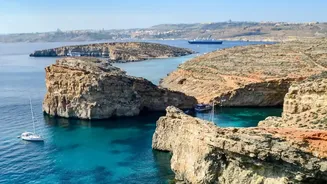
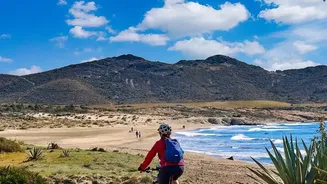
For a more serene cycling experience, Malta's sister island, Gozo, is highly recommended. Its roads are generally quieter with less traffic, creating a safer and more relaxed environment. While Gozo is also hilly, its smaller scale makes it perfect for a day or two of exploration by bike. A full coastal loop is approximately 45 km and takes in an incredible diversity of landscapes, from the dramatic cliffs near Dwejra to the Xwejni salt pans in the north and the red sands of Ramla Bay. Routes often start from the capital, Victoria (Rabat), and wind through charming villages and past major landmarks like the Ta' Pinu Basilica. The combination of quiet roads, spectacular scenery, and varied terrain makes Gozo a true highlight for any cyclist visiting the Maltese archipelago.