
From Impulse Buys to Intentional Choices
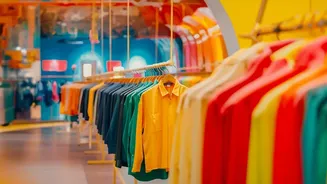
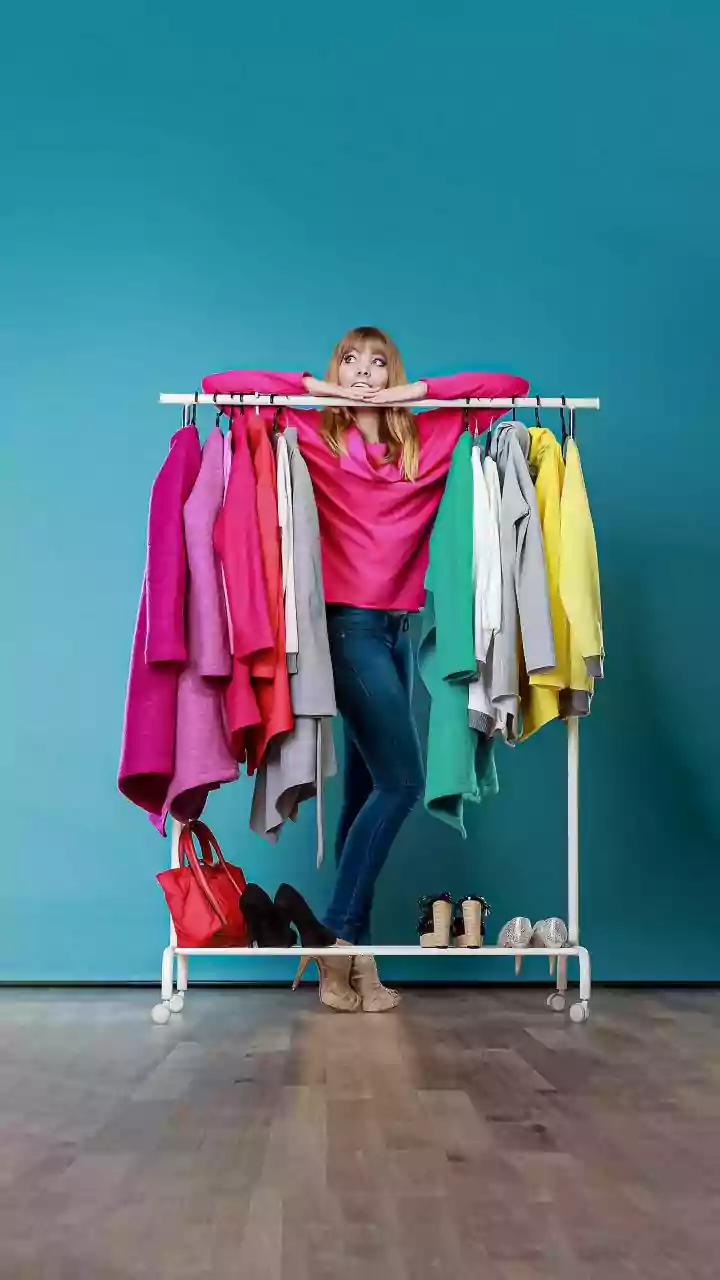
Fast fashion's business model is built on speed and volume. With dozens of 'micro-seasons' a year, shoppers are encouraged to constantly buy new, trendy items at low prices. This cycle often leads to overconsumption, where we buy more than we need, and our closets
fill with poor-quality items that may only be worn a few times before being discarded. The psychological pull of a bargain can be strong, triggering a short-lived dopamine rush that keeps us coming back for more. However, this approach dilutes personal style and creates a wardrobe that is reactive rather than reflective of your actual life. The alternative is to shop with intent. Before asking, "Is this trendy?" or "Is this cheap?", the most important question is, "What job will this item do for me?". This is function-first shopping.
Start with Your Daily Life
A functional wardrobe is built around your real-life activities. Before you even think about shopping, take stock of how you spend your time. A simple way to do this is to create a pie chart of your week: what percentage is spent at work, at home, socializing, exercising, or attending special events? If 50% of your time is spent in a professional setting, then a significant portion of your wardrobe should be work-appropriate. This lifestyle analysis reveals where the gaps in your closet truly are. You might realize you have ten party dresses but only one pair of comfortable trousers for daily wear. This simple audit prevents you from buying for a fantasy life and instead focuses your spending on what you genuinely need, making your closet work for you every day.
Building a Foundation with Basics
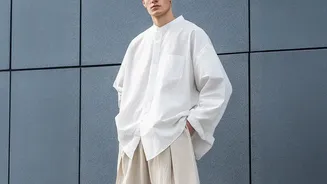
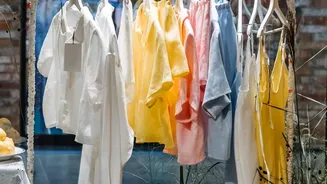
Every functional wardrobe needs a strong foundation of versatile basics. These are the pieces that can be mixed and matched endlessly: neutral-coloured t-shirts, well-fitting jeans, classic trousers, and simple blouses. When shopping for these items in fast-fashion stores, quality becomes paramount because they will get the most wear. Pay close attention to the material. Natural fibres like cotton and linen are often more breathable and durable than cheap synthetics like polyester, which can pill and retain odours. Check the construction: are the seams straight and secure? Is the stitching dense? A slightly higher investment in a well-made basic, even from a fast-fashion brand, will pay off in the long run through better durability and a lower cost-per-wear.
The Role of Work and Occasion Wear
For workwear, function means professionalism and durability. Look for pieces with good structure, like blazers with proper lining and trousers made from fabrics that resist wrinkling. These items communicate competence and shouldn't require constant adjustment throughout the day. When it comes to occasion wear—the festive kurtas, cocktail dresses, and statement pieces—fast fashion can be tempting for one-off events. The function-first rule still applies: buy for a specific, confirmed event, not a hypothetical one. To ensure it's not a single-use purchase, ask yourself if the piece can be styled differently for another type of event. Could that wedding guest outfit be dressed down with different accessories for a birthday dinner? Thinking about an item's versatility beyond its primary function ensures it earns its place in your closet.
A Pre-Shopping Functional Checklist
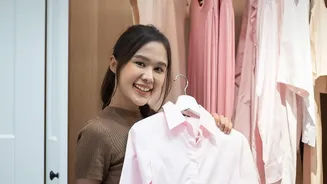
To avoid falling back into old habits, create a checklist to consult before any purchase. This mental inventory acts as a filter against impulse buys. Before adding an item to your cart, ask yourself these functional questions: What specific activity or need does this item fulfill in my life right now? Do I already own something similar that performs the same function? How many existing items in my wardrobe can this be paired with? Is the fabric and construction suitable for its intended function (e.g., is it breathable enough for summer, warm enough for winter)? By pausing and running through this list, you shift from being a passive consumer to an active curator of your own style. This disciplined approach is the key to transforming a cluttered closet into a streamlined, functional, and joyful wardrobe.