




The Great Escape From Urban Burnout
The daily grind of metropolitan life—marked by traffic jams, pollution, high living costs, and a constant sense of urgency—is taking its toll. In the wake of widespread remote work adoption, professionals are re-evaluating their priorities. The four walls
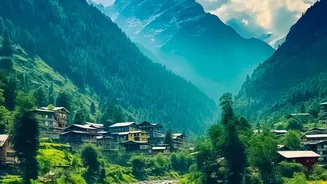
of a city apartment, once a base for a bustling life, have for many become a symbol of confinement. This has sparked a search for an alternative that offers not just a change of scenery, but a fundamental shift in lifestyle. The goal is no longer just about work-life balance, but about work-life integration in an environment that nurtures well-being. Hill stations across India have become popular choices, offering a natural antidote to urban fatigue.
Why Rishikesh Is the Perfect Workation Hub
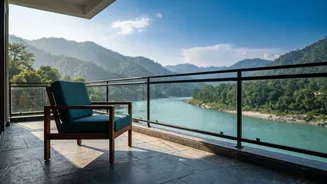
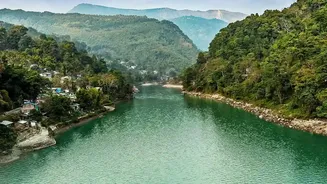
Rishikesh has emerged as a frontrunner in the workation movement for several key reasons. Known globally as the 'Yoga Capital of the World,' it offers an unparalleled blend of spiritual tranquility, natural beauty, and adventure. The town's atmosphere is inherently calming, which helps reduce stress and improve focus. Unlike many remote mountain towns, Rishikesh has an established infrastructure catering to long-term visitors, including a wide variety of cafes, guesthouses, and co-living spaces. Its lower altitude means milder winters than higher hill stations, and the holy Ganges River provides a constant, soothing backdrop to both work and leisure. This unique combination makes it practical for professionals seeking both productivity and peace.
A New Breed of Workspace
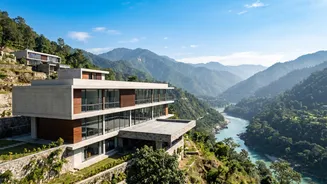
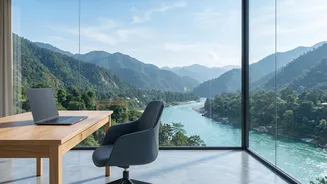
The demand from digital nomads has given rise to a new ecosystem of work-friendly spaces. Beyond just cafes with spotty Wi-Fi, Rishikesh now boasts dedicated coworking offices, hostels, and retreats designed for remote professionals. Places like CoWorks Rishikesh offer high-speed fibre internet and power backups, ensuring that a client call is never dropped. Hostels such as Skyard and Bunk Stay provide affordable weekly and monthly workation packages that include accommodation, reliable Wi-Fi, and dedicated workspaces with Ganga views. Many of these spaces are concentrated in the Tapovan area, which has become the de-facto hub for the digital nomad community due to its concentration of modern cafes and studios.
The Workday Reimagined
A typical day for a remote worker in Rishikesh looks drastically different from one in a major city. The 9-to-5 is punctuated by wellness activities that feel integrated rather than forced. A morning might begin with a yoga class or a mindful walk along the river before the laptop is even opened. Work sessions happen at a desk overlooking the Himalayas or in a vibrant cafe. An afternoon break isn't a quick coffee run, but a chance to meditate, explore a local trail, or attend a sound healing session. Evenings are often spent at the serene Ganga Aarti ceremony, a spiritual ritual that provides a powerful sense of closure to the day. This rhythm replaces burnout with a feeling of deep, sustainable focus.
Connectivity, Cost, and Community
The primary concern for any remote worker—internet connectivity—has been largely addressed. While it's always wise to have a mobile hotspot as a backup, major providers offer strong 4G coverage, and dedicated coworking spaces boast speeds up to 1Gbps. The cost of living is another major draw. Rishikesh is significantly more affordable than India's metros, with monthly expenses for a single person estimated to be around ₹30,000-40,000, allowing even those on a modest budget to live comfortably. Perhaps most importantly, Rishikesh offers a smaller, more intimate community than other global nomad hotspots. It's easy to connect with fellow remote workers at cafes, yoga classes, or weekly meetups, fostering a sense of belonging far from home.