





We see the results on screen, but what goes into it? Sonam Bajwa's fitness is legendary, with a special focus on her powerful leg day. Her routine is more than just a workout; it's a lesson in building strength as part of a balanced life.
A Philosophy of Functional Fitness
For actress Sonam
Bajwa, fitness is not about chasing a specific body type but about feeling strong and capable. Her approach is grounded in consistency and function over fleeting aesthetics. She has often said that true health must be a part of who you are, not a crash course before a film shoot. This philosophy is reflected in a workout regimen designed for endurance and real-world strength, enabling her to handle long shooting schedules and physically demanding roles. Her focus is on building a body that works and can endure, with strength and stamina being far more important than just looking good. It’s a sustainable, structured approach that prioritises showing up consistently, even if it means opting for a lighter session on low-energy days.
Decoding the Powerful Leg Day
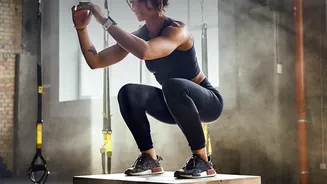
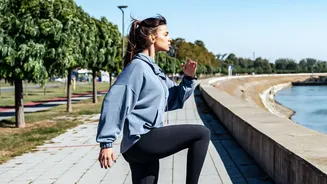
Sonam Bajwa recently offered a glimpse into her 'humbling' leg day, featuring foundational exercises like squats and lunges combined with weight training. These movements are the cornerstone of lower-body strength. Exercises like squats, lunges, and deadlifts target the largest muscle groups in the body—the glutes, quadriceps, and hamstrings. According to experts, strengthening these muscles is crucial for improving balance, stability, and overall posture. Strong legs provide a solid foundation that reduces stress on the joints, making everyday activities like climbing stairs or lifting objects significantly easier. Furthermore, these weight-bearing exercises are vital for maintaining and improving bone density, a key factor in preventing osteoporosis as we age.
Why All Women Should Embrace Strength Training
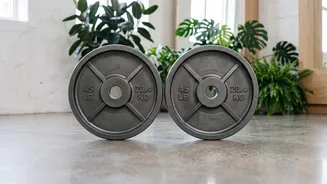
For years, a common myth has discouraged women from lifting weights, with many fearing they would become 'bulky'. Sonam Bajwa herself has spoken about hearing warnings like, 'Don't lift weights, you will start looking like a man'. However, this is a misconception. Due to lower testosterone levels, it is physiologically much harder for women to build large, bulky muscles. Instead, strength training helps create a leaner, more toned physique by building muscle and boosting metabolism. Muscles burn more calories at rest than fat, so increasing muscle mass helps with long-term weight management. The benefits extend far beyond appearance, including stronger bones, healthier joints, improved mental health, better sleep, and a reduced risk of chronic diseases like heart disease and diabetes.
Strength is Just One Piece of the Puzzle
While Sonam Bajwa is a vocal proponent of weight training, her routine is a testament to the importance of balance. A truly effective fitness plan is well rounded. Experts recommend a combination of five key elements: aerobic fitness, strength training, core exercises, balance work, and flexibility. This means complementing leg days and other strength sessions with activities like brisk walking, cycling, or dancing to hit your weekly cardio goals. Flexibility and mobility, achieved through stretching or practices like yoga, are equally important. They help improve range of motion, prevent injury, and can even help relieve stress. Sonam’s own routine incorporates a mix of strength training, Pilates, and functional exercises, showcasing this holistic approach.
Building Your Own Balanced Routine
Inspired by Sonam's approach, you can build your own sustainable fitness plan. Start by setting realistic goals and assessing your schedule. Aim for at least two strength training sessions per week, targeting all major muscle groups. For beginners, it's crucial to master proper form with bodyweight exercises before adding weights to prevent injury. Pair this with around 150 minutes of moderate intensity cardio per week. Most importantly, listen to your body. As Sonam has noted, being strong also means knowing when to slow down. Schedule rest days to allow your muscles to recover and repair—this is when they actually get stronger. The goal isn't perfection, but creating a routine you can stick with for the long haul.