


Preparation is Your First Defence
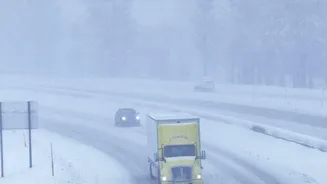
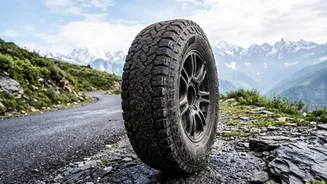
Your mountain journey begins long before you start the engine. A well-prepared vehicle is the first and most critical rule of winter driving. Start by checking your tyres to ensure they are properly inflated and have ample tread. In many mountain regions,
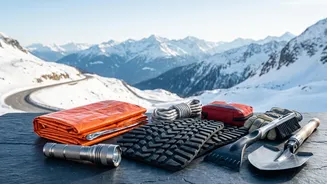
winter tyres are strongly recommended as they offer superior grip in cold, icy, and snowy conditions. Also, inspect your brakes, heater, defroster, and windshield wipers to confirm they are in top condition. Fill your washer reservoir with a fluid rated for freezing temperatures to prevent icing. It's also crucial to keep your fuel tank at least half full; a storm or road closure could cause lengthy delays, and you'll need fuel to stay warm. Finally, assemble a winter emergency kit with essentials like blankets, water, food, a flashlight, an ice scraper, and a shovel.
Decoding Traction and Chain Laws
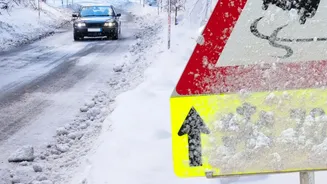
Many mountain states have specific 'chain laws' or 'traction laws' that are activated during winter storms. These rules aren't meant to be punitive; they are designed to prevent accidents and keep traffic moving for everyone. Signs along the highway will indicate the current requirement level. A common requirement, often called R1, mandates that vehicles have either snow tyres or carry traction devices like chains. A stricter level, R2, requires chains or similar devices on all vehicles, except for four-wheel or all-wheel-drive vehicles with snow-tread tyres. Even if you have 4WD/AWD, you are often still required to carry chains in the vehicle. These laws are vital because a single vehicle spinning out can block a mountain pass for hours. Familiarize yourself with how to install your chains before you leave home.
The Gravity of the Downhill Descent
One of the most important but misunderstood mountain driving techniques is managing a steep, snowy descent. Relying solely on your brakes is a dangerous mistake. Continuous braking generates immense heat, which can cause your brakes to 'fade' or even fail completely. The correct and safe method is to use engine braking. By downshifting to a lower gear ('L' or '2' in an automatic), you let the engine's natural resistance control your speed. This keeps your vehicle at a slow, steady pace without overheating the brakes. You will still need to use your brakes, but only intermittently. Shift into a lower gear before you start the descent, not halfway down. This single rule significantly enhances control and reduces wear on your brake system.
Conquering the Uphill Battle
Going uphill on a slippery road requires a different approach. The goal is to maintain momentum without spinning your wheels. Applying too much power will cause a loss of traction. Instead, accelerate slowly and steadily. If you start to lose grip, ease off the gas slightly to allow the tyres to regain their hold. It's often helpful to get a little momentum before you start a steep incline, but avoid 'powering up' the hill, as this can lead to a skid. On single-lane mountain roads, a customary rule is that uphill traffic has the right-of-way, as it can be difficult for them to restart if they are forced to stop. Be patient, keep your speed consistent, and allow plenty of following distance.
Navigating Invisible Hazards Like Black Ice
Some of the greatest dangers in winter mountain driving are the ones you can't easily see. Black ice is a thin, transparent layer of ice that makes the road look merely wet. It's notoriously dangerous because it forms without warning and can cause an instant loss of control. Be especially vigilant on bridges, overpasses, and shaded areas, as these surfaces freeze much faster than the rest of the road. If you see the pavement looks glossy when the temperature is near or below freezing, assume it is ice. Reduce your speed significantly before you hit a potential patch. Slow down, avoid sudden braking or steering movements, and increase your following distance to at least five to six seconds to give yourself more time to react.