

What Exactly Are Cool Roof Coatings?
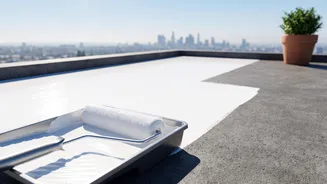
A cool roof coating is a liquid-applied, paint-like material that creates a seamless, protective layer over an existing roof. When people talk about "reflected" or "cool" roofs, they are referring to coatings specifically designed to reflect sunlight
away from the building instead of absorbing it. While traditional dark-coloured roofs can absorb a high percentage of the sun's heat, making a building warmer, these specialised coatings do the opposite. They are typically white or other light colours, which are naturally more reflective. However, modern technology has also created darker coloured coatings with special pigments that can still reflect the sun's infrared radiation.
The Simple Science of Staying Cool
The effectiveness of cool roofs relies on two key scientific principles: solar reflectance and thermal emittance. Solar reflectance, also known as albedo, measures a material's ability to reflect sunlight. A high solar reflectance means the roof bounces a large portion of the sun's energy back into the atmosphere. Thermal emittance is a measure of how efficiently a surface releases any heat it has absorbed. An ideal cool roof has high values for both properties. It reflects most of the solar energy and then quickly radiates away the small amount of heat it does absorb, keeping the roof surface and the building beneath it significantly cooler.
How Much Cooler Can Rooms Get?
The claim of 'significantly cooler' rooms is well-supported. On a hot, sunny day, a roof treated with a cool coating can be over 28°C cooler than a traditional dark-coloured roof. This drastic reduction in roof temperature means less heat is transferred into the building. For homes without air conditioning, studies have shown that cool roofs can lower maximum indoor temperatures by several degrees. For buildings with air conditioning, the impact is felt on energy consumption. The U.S. Environmental Protection Agency (EPA) notes that a cool roof can reduce a building's need for air conditioning, with some studies showing peak cooling demand can drop by 11–27%.
Beyond Comfort: Energy Savings and Roof Longevity
The benefits of a cooler home extend directly to your wallet. By reducing the amount of heat entering the building, air conditioning systems don't have to work as hard or as often to maintain a comfortable temperature. This leads to lower electricity bills, with some estimates suggesting annual air conditioning energy use can be reduced by up to 25%. Furthermore, these coatings protect the roof itself. The constant exposure to intense heat and UV radiation can cause roofing materials to degrade, crack, and fail over time. By keeping the roof surface cooler and shielding it from UV rays, a reflective coating can slow this degradation process, potentially extending the life of your roof.
Considerations for Flat Roofs
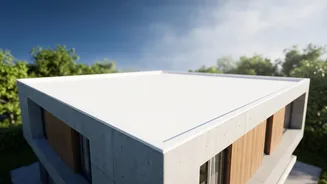
Flat roofs are excellent candidates for cool coatings but have unique challenges, like the potential for ponding water. It is crucial to select the right type of coating for this application. The two most common types are acrylic and silicone. Acrylic coatings are water-based, cost-effective, and provide excellent reflectivity. Silicone coatings are known for their superior waterproofing capabilities and durability, making them an ideal choice for flat roofs where water might pool after rain. Proper surface preparation is key to a successful application. The roof must be thoroughly cleaned and any existing leaks or weak seams must be repaired before the coating is applied to ensure a long-lasting, seamless barrier.