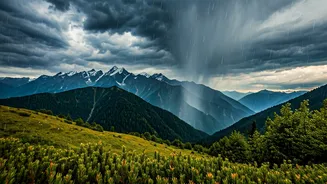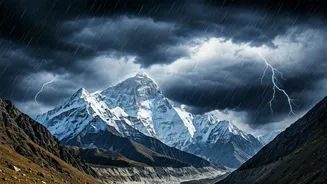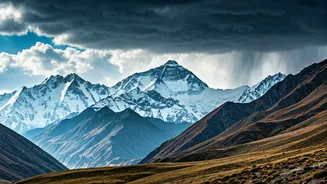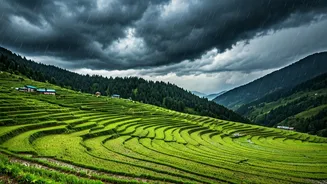






More Than Just an Early Monsoon
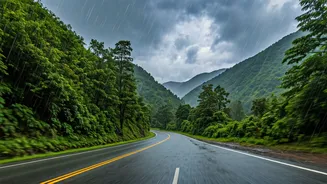
Across states like Uttarakhand, Himachal Pradesh, and parts of Jammu and Kashmir, residents are witnessing a weather pattern that feels out of sync. Heavy pre-monsoon showers, typically expected to be lighter and more sporadic, have arrived with an intensity
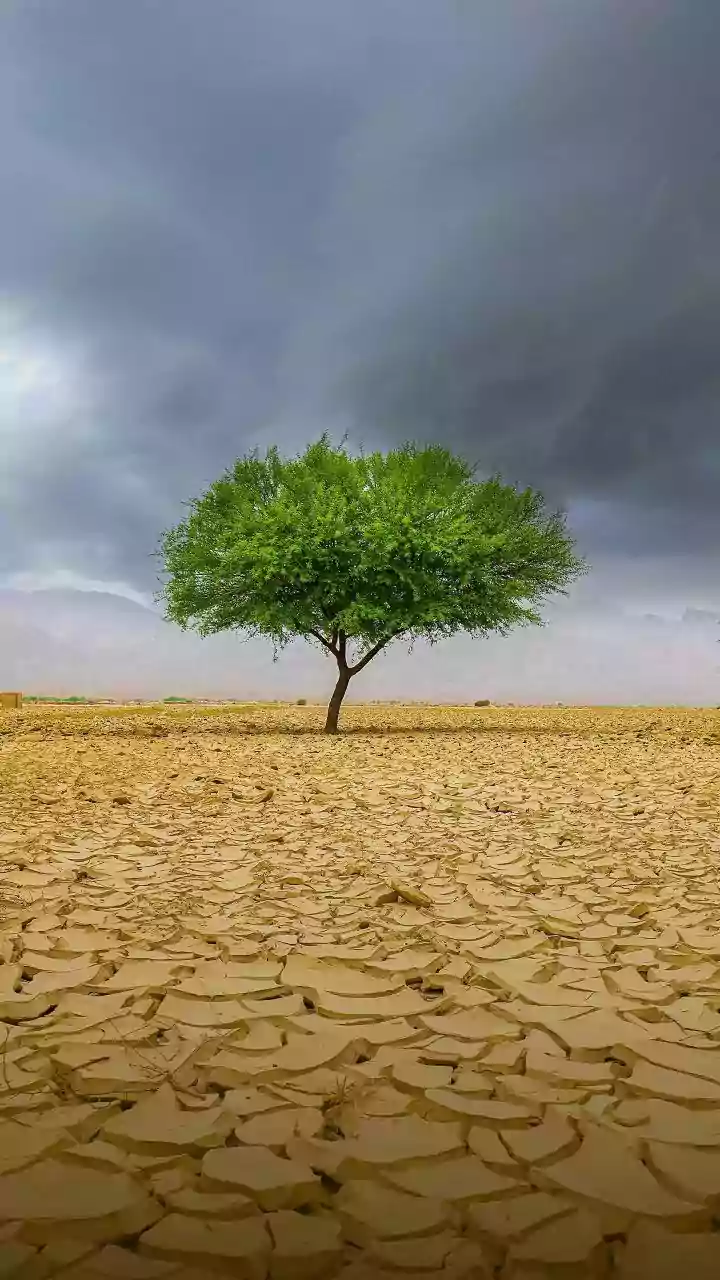
usually reserved for the peak monsoon months of July and August. The India Meteorological Department (IMD) has noted these above-normal rainfall events, which are not part of the official southwest monsoon onset but are a result of active western disturbances interacting with moist air. This isn't just a shifted calendar; it's a change in the character of the rain itself—more intense, more concentrated, and falling on soil and ecosystems that aren't prepared for it.
The Fingerprints of a Changing Climate
While it's difficult to attribute any single weather event to climate change, scientists have long warned that this is exactly what a warmer world looks like. A warmer atmosphere holds more moisture, leading to more intense rainfall events. In the Himalayas, this is compounded by accelerated snow and glacier melt. The region is warming at a rate significantly faster than the global average. This destabilises traditional weather cycles, making phenomena like intense pre-monsoon downpours more frequent and less predictable. The erratic behaviour disrupts the delicate balance that has governed the region's climate for millennia, turning a predictable system into a volatile one.
A Mixed Bag for Farmers
For the agricultural backbone of the Himalayan states, these early rains are a double-edged sword. On one hand, they can help recharge groundwater and prepare the soil for kharif crops like paddy and maize. However, the timing and intensity are critical. The deluge is proving disastrous for standing winter crops, especially wheat, which is in its harvesting stage in many lower-altitude areas. More importantly, the horticulture sector—the cash cow for states like Himachal Pradesh—is at severe risk. The heavy rain and accompanying hailstorms can decimate apple, cherry, and stone fruit blossoms, leading to a catastrophic loss of the year's produce and income for countless farming families.
Heightened Risk of Natural Disasters
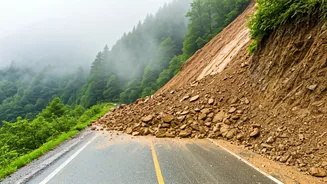
The most immediate and dangerous consequence of heavy, early rains is the dramatically increased risk of landslides and flash floods. The Himalayan geology is young and fragile, and its slopes are inherently unstable. When soil becomes saturated with water before the ground cover and vegetation are fully established for the monsoon, its ability to hold together plummets. This is a recipe for disaster. We have seen the devastating outcomes of such events in the past, from the 2013 Kedarnath tragedy to the 2021 Chamoli flash flood. Unseasonal, intense rain acts as a trigger, turning slopes into torrents of mud and debris, threatening lives, homes, and critical infrastructure like roads and hydropower projects.
The Ripple Effect on the Plains
The Himalayas are often called the 'Water Towers of Asia' for a reason. They feed the great river systems—Ganga, Indus, Brahmaputra—that provide water to hundreds of millions of people in the Indo-Gangetic plains. The health of the Himalayan water cycle directly impacts water security for much of North India. Intense rainfall events can lead to a sudden surge in river levels downstream, causing floods in states like Uttar Pradesh and Bihar. It also alters the long-term flow patterns. Instead of a steady release of water from melting snow and glaciers through the dry season, we are seeing more instances of sudden, massive runoff, which is harder to manage and store, followed by potentially leaner periods.