



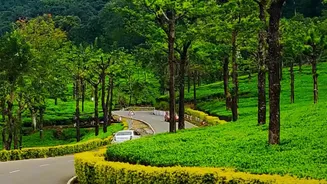
The Post-Monsoon Driving Advantage
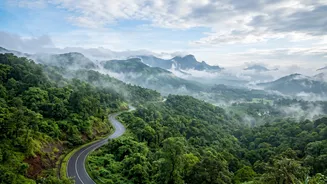
Driving through the Western Ghats between September and November is a unique experience. The landscape, refreshed by months of rain, is at its most lush and dramatic. Waterfalls like Abbey Falls in Coorg and Thoseghar near Satara are in full flow, and the air
is crisp and clean. This period offers a sweet spot: the heavy, continuous downpours have subsided, reducing the immediate risks of travel, but the scenery remains spectacular. For Satara, this window is particularly special as it often coincides with the peak blooming season of the Kaas Plateau, a UNESCO World Heritage site that transforms into a carpet of wildflowers.
Essential Pre-Trip Vehicle Checks
Before you even think of hitting the winding ghat roads, a thorough vehicle check is non-negotiable. Post-monsoon roads can be unpredictable, with potholes and residual damage from heavy rains. Pay special attention to your tyres; ensure they have adequate tread depth (at least 3mm is recommended for wet conditions) and are inflated to the correct pressure, including the spare. Check your brakes for responsiveness—you'll be relying on them heavily downhill. Finally, make sure your wipers are in excellent condition and that all lights, especially headlights and fog lamps, are fully functional for navigating misty patches.
Mastering the Ghat Roads
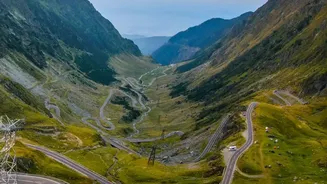
Ghat driving requires a different mindset. The golden rule is to give way to vehicles climbing uphill, as they require more momentum. When descending steep slopes, use engine braking by shifting to a lower gear instead of constantly riding your brakes, which can cause them to overheat. Be patient and never overtake on blind curves or hairpin bends. Post-monsoon roads are prone to landslides and falling rocks, so stay vigilant, especially on narrow sections. It's wise to avoid driving after dark, as visibility can drop suddenly and hazards are harder to spot.
Your Drive to Coorg (Kodagu)
The drive to Coorg, often called the 'Scotland of India', is breathtaking. The most common route from Bangalore is via NH275 through Mysore, Hunsur, and Kushalnagar, which takes around five to six hours. While the roads are generally well-maintained, the final stretch after Suntikoppa towards Madikeri involves sharp bends that demand careful navigation, especially with post-monsoon dampness on the road. Although major landslides are less frequent after the peak monsoon, it's always best to start early to avoid afternoon showers and potential traffic. The route offers scenic stops like the Tibetan settlement at Bylakuppe, near Kushalnagar.
Journeying to Satara and the Kaas Plateau
The main attraction for a post-monsoon trip to Satara is the Kaas Plateau, often called Maharashtra's Valley of Flowers. The drive from Pune is about three to four hours, and from Mumbai, it's about six hours. The plateau itself typically blooms from late August to early October, with September being the prime month. Due to its ecological sensitivity, private vehicles may not be allowed directly onto the plateau during peak season; visitors often have to park and use designated buses. It's crucial to check the official Kaas website for entry rules and online booking, as visitor numbers are capped daily to protect the fragile ecosystem.
Safety Kit and Final Preparations
A well-stocked emergency kit is crucial. Include a first-aid kit, a torch, a portable tyre inflator, and a puncture repair kit. Given the unpredictable network in hilly areas, download offline maps for your route. Pack a light raincoat or umbrella, as intermittent showers are still possible. Always check the latest weather advisories before you leave. Let someone know your itinerary and expected arrival time. Finally, keep a buffer day in your plan. The goal of a post-monsoon road trip is not just to reach the destination but to enjoy the journey, and that means being prepared to slow down or stop when conditions demand it.