







The Salt Illusion
It’s a common misconception: if a food doesn’t taste salty, it must be low in sodium. However, food manufacturers use sodium for much more than just flavour. Salt acts as a preservative to extend shelf life, a stabiliser to improve texture, and even a flavour enhancer
that can make sweet foods taste sweeter. In many processed items, high amounts of sugar, fat, and strong spices can mask the salty taste, tricking your taste buds. This is why a slice of bread or a bowl of breakfast cereal can sometimes contain more sodium than a serving of salted potato chips. Your taste buds can also adapt over time; the more salt you consume, the more you need to register the flavour.
Surprising Sodium Suspects
While we know to be wary of chips and pickles, sodium hides in many everyday foods you might not expect. Breads, pavs, and breakfast cereals are significant contributors to daily sodium intake. Sauces and condiments are also major culprits; a single tablespoon of soy sauce can contain a huge portion of your daily recommended sodium limit. Other surprisingly salty foods include canned soups, processed cheeses, deli meats, frozen meals, and even sweet items like biscuits, cookies and instant oatmeal. Even seemingly healthy options like cottage cheese and some veggie burgers can be packed with sodium to enhance flavour and texture.
Why Hidden Salt Matters for Health
The human body needs a small amount of sodium to function, helping with nerve impulses and muscle function. However, most people consume far more than they need. The World Health Organization (WHO) recommends a daily intake of less than 5 grams of salt (about 2,000 mg of sodium). Studies show the average Indian adult consumes around 8 to 11 grams of salt daily, which is double the recommendation. A diet consistently high in sodium forces the body to retain water, which increases blood volume. This makes the heart work harder and increases pressure on blood vessels, leading to high blood pressure (hypertension), a major risk factor for heart disease, stroke, and kidney problems.
Become a Smart Sodium Detective
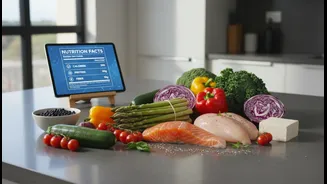
The best way to control your sodium intake is to become a savvy consumer. Always read the Nutrition Facts label on packaged foods. Pay close attention to the sodium content per serving and the total number of servings in the package. A food is considered low in sodium if it has 140 mg or less per serving. A Percent Daily Value of 5% or less for sodium is low, while 20% or more is high. Be mindful of terms like "reduced sodium," which simply means it has 25% less sodium than the original product but could still be high. Whenever possible, cook with fresh ingredients to control the amount of salt in your food. Rinsing canned vegetables and beans can also help wash away some of the added sodium.